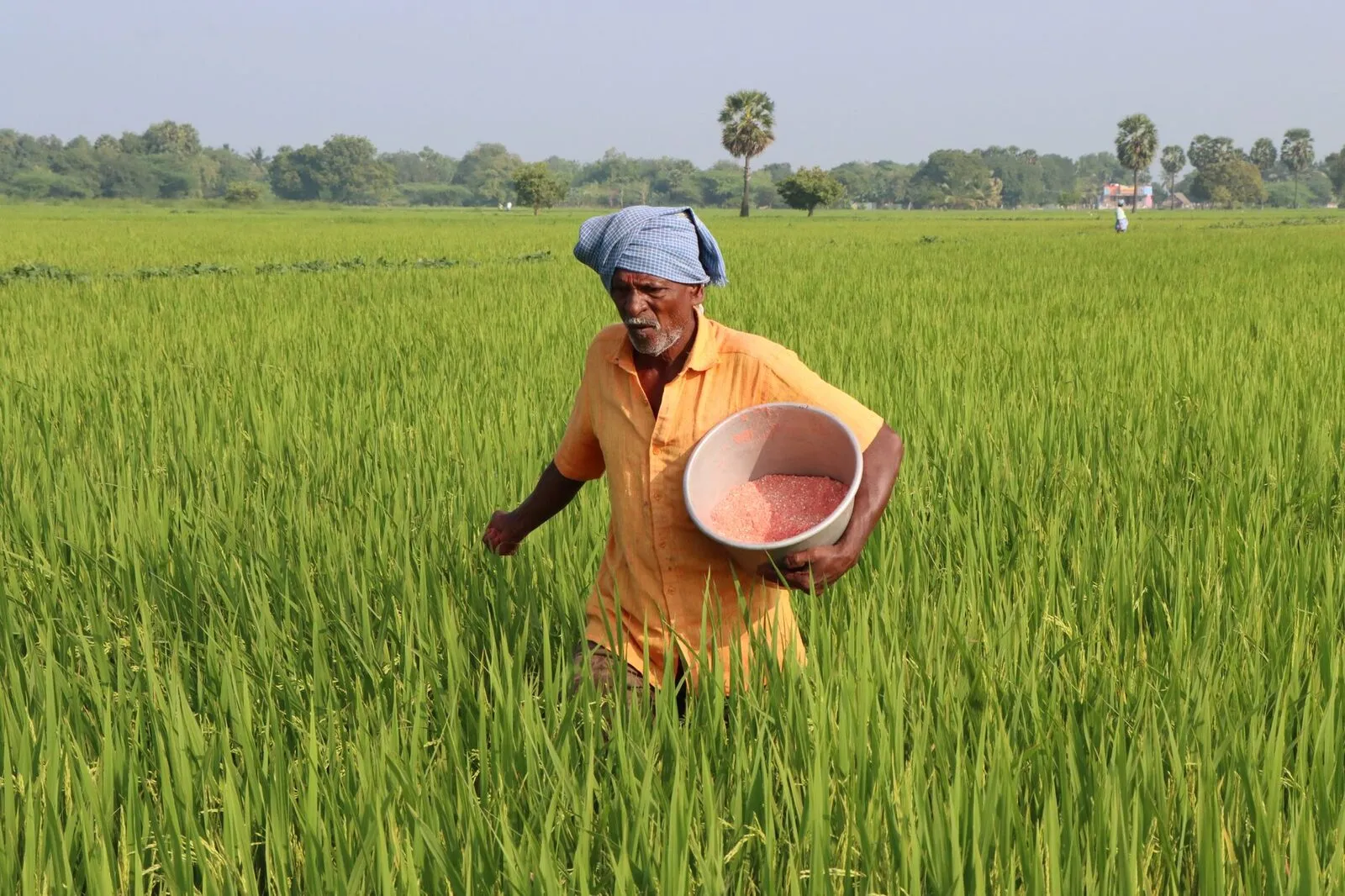
In recent years, farmers have faced significant financial challenges that threaten their ability to sustain operations and preserve farmland. While there have been moments of relief, such as when the Trump administration initially cut funding for farmers but later unlocked billions before Election Day Grist, these short-term fixes often fall short in addressing the long-term debt crisis many farmers face.
The struggle is not just about financial aid; it’s also about maintaining access to essential services and support. Ballot rejections soared in rural counties after USPS reduced mail service, making it harder for farmers to participate in elections that could influence their future Daily Yonder. This disruption in democratic processes can exacerbate the challenges faced by farmers who rely on local representation to advocate for their interests.
Community support plays a crucial role in helping farmers navigate these difficulties. The FFA Tribute went to Luke McCrea, Minnesota State FFA president, highlighting the importance of youth leadership and community engagement in agriculture Farm Progress. Events like Investigate Midwest’s storytelling event, where four Iowa storytellers shared personal stories about food, agriculture, and community, underscore the need for ongoing dialogue and support within farming communities Investigate Midwest.
However, external factors continue to pose significant challenges. The EPA’s decision to quietly kill its web archive could have long-term implications for environmental regulations that affect farming practices Grist. While this may not directly impact farmer debt, it highlights the broader policy environment in which farmers operate.
The construction of renewable energy projects, such as the biggest renewable energy project in US history, can also impact farmland use and availability. While these projects are crucial for transitioning to sustainable energy sources, they often require significant land use that could affect existing agricultural operations Grist.
In conclusion, while there have been efforts to support farmers through funding and community engagement, the underlying issue of debt remains a critical challenge. Addressing this requires sustained policy support, improved access to services, and ongoing community involvement.


