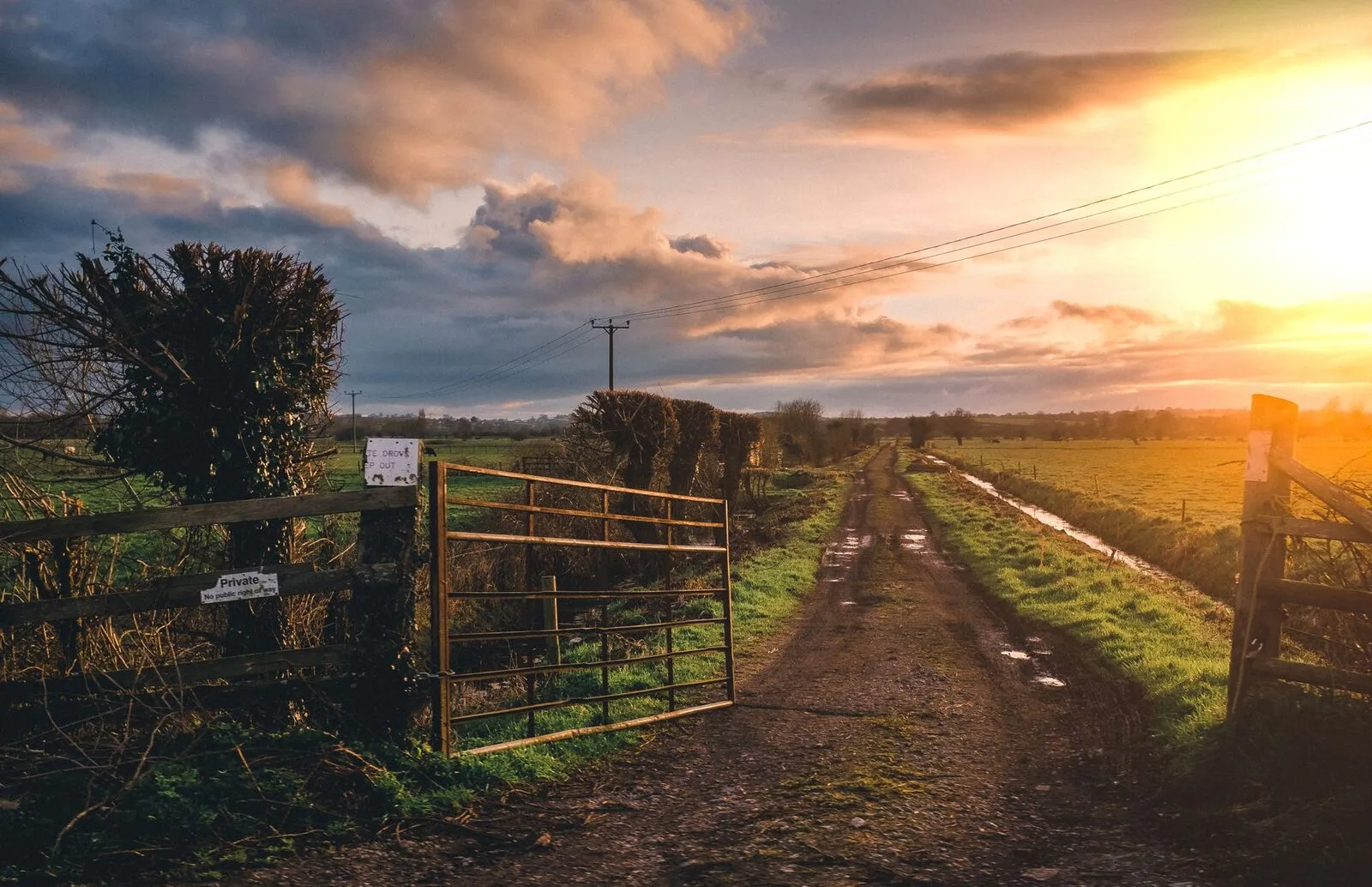
A 1,200-acre corn and soybean operation in Illinois. A 3,000-acre diversified farm in Iowa. A 500-acre operation in Missouri. These aren’t hypothetical losses. They’re the farms being absorbed into corporate portfolios every week as agricultural consolidation accelerates into a land grab.
Family farmers facing equipment debt, volatile input costs, and collapsing commodity prices are making a brutal choice: sell the land and walk away, or keep borrowing against it until the bank owns it anyway. Either way, the outcome is the same. The land leaves family control.
And capital is waiting. Private equity firms, foreign investors shielded by shell companies, agricultural giants seeking to consolidate further, and financial speculators treating farmland as an asset class have never been hungrier. The farm financial crisis is creating a fire sale, and consolidators are buying at scale.
The Speed Has Changed
Farmland consolidation is not new. It’s been happening since mechanization made larger operations more “efficient” than diversified family farms. What has changed is the speed and the nature of the buyer.
In the 1980s, a neighboring farmer might buy a foreclosed operation. In the 2000s, an agricultural corporation expanded into the region. In the 2020s, a private equity fund registered in Delaware, capitalized by international wealth, targets American farmland for the appreciation and the operational control.
The USDA’s Foreign Agricultural Investment Disclosure Act data shows increasing foreign ownership of U.S. agricultural land, particularly from Canadian, Australian, and Middle Eastern investors. But the foreign ownership story only tells half the tale. Domestic consolidation—where American corporations and investment funds swallow up family operations—is happening at least as fast, and with less visibility.
The financialization of farmland means that land is no longer just a place to grow food. It’s a financial instrument. A farm that produces 500 bushels of corn per acre is worth less to an investor who plans to hold it for appreciation and operational consolidation than it is to a family that depends on that production to pay wages and service debt.
That gap is the land grab.
Why Farms Sell When They Don’t Want To
The financial math has become impossible for mid-scale family operations. Input costs for fertilizer, seed, and chemicals have climbed into the stratosphere. Commodity prices are weak. Interest rates on operating loans and equipment financing have made debt service unaffordable. And the equipment itself—which used to be owned and repaired by the farmer—is now locked down by manufacturers who charge monopoly prices for service.
A farmer looking at a 2027 budget sees a gap between revenue and costs that grows wider every month. The bank, which used to be willing to carry a struggling operation through a down cycle, is now demanding collateral. Farmland is the collateral. And when a farmer can’t service the debt, the bank forecloses or the farmer voluntarily walks.
The buyer waiting at that transaction is almost never another family farmer. It’s a corporation or fund with capital to deploy, a long-term hold strategy, and no emotional attachment to the place.
What Consolidation Means for Food and Farming
A consolidated operation is managed for maximum efficiency and profit extraction. That efficiency often means:
- Monoculture expansion (corn and soybeans on every acre, because it’s easiest to mechanize)
- Fewer workers per acre (machinery replaces people, and farmworker wages don’t rise)
- Reduced crop diversity and local food production
- Soil treated as a medium for extraction, not stewardship
- Access to specialty seed, chemicals, and equipment locked behind corporate contracts
A family farm, by contrast, is often more diverse, more likely to rotate crops, more invested in soil health, and more likely to employ local workers. Those aren’t sentimentalities. They’re structural differences in how the operation functions.
When a 500-acre family farm becomes a 500-acre parcel in a 50,000-acre corporate portfolio, the land doesn’t disappear. The food doesn’t stop growing. But the control does. The decision about what to plant, how to manage soil, who to hire, and how to price the output moves away from the farmer and toward a corporation’s quarterly earnings target.
The Tipping Point
Consolidation has been happening for 40 years. But the pace has accelerated. When farm bankruptcies were rare, consolidation happened slowly. When bankruptcy rates spike—and they are spiking now—consolidation accelerates.
There is a tipping point at which the structure of agriculture fundamentally shifts. A sector that was majority family-operated becomes majority corporate-controlled. The incentives change. The landscape changes. The politics change.
The U.S. is approaching that tipping point in commodity crops (corn, soybeans) in the Heartland. It already passed it in some regional livestock markets, where a handful of meatpacking companies control access to the market and can dictate prices to farmers.
The Road Forward
Some farmers are fighting back by organizing cooperatives, pursuing direct-to-consumer sales, and investing in regenerative practices that build soil and command premium prices. Farm Aid brought farmers together to organize and share survival strategies. These moves matter.
But cooperative and direct-market strategies only work for farmers with enough scale and capital to survive the financial crisis long enough to transition. A farmer with $2 million in debt and a failed harvest doesn’t have time to build a CSA. They need income now.
Until policy shifts to actually support family farming—through commodity supports that stabilize income, through antitrust enforcement against consolidators, or through land trusts and beginning farmer programs that make ownership possible for the next generation—the land grab will continue.
And the endgame is clear: fewer farmers, larger operations, less control over the food system by the people who grow it. That’s not inevitable. But it’s where the current trajectory leads.
Read more of our reporting on farmland ownership.

