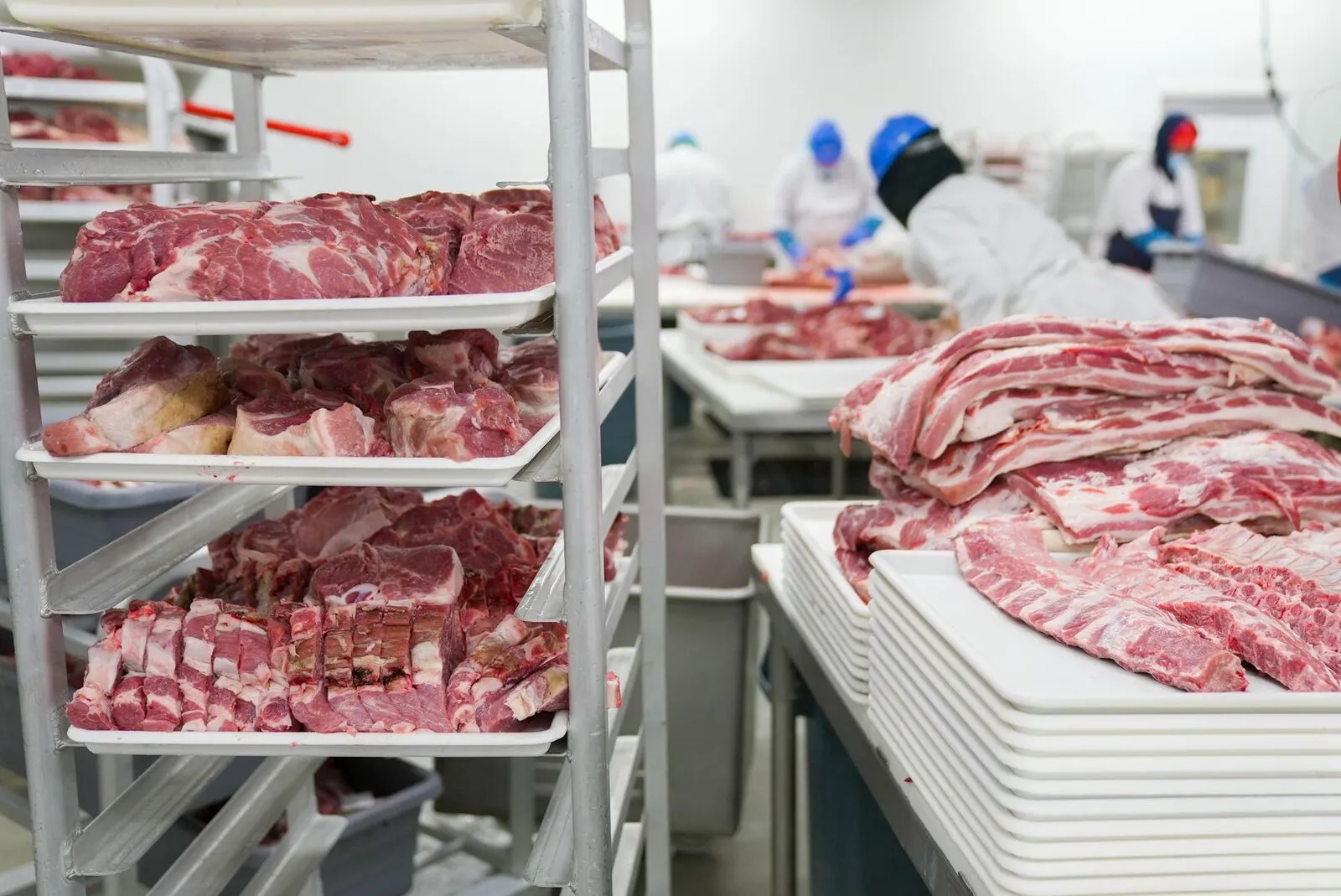
The U.S. Department of Agriculture has been on a meat-processing tear. Over the last several months, from late July through early September, the USDA rolled out a dizzying array of announcements about livestock and meat processing, according to the National Sustainable Agriculture Coalition. Grants for new processors. New funding for rural meat plants. Initiatives to “strengthen” processing for ranchers. The message is clear: the federal government wants to see more processing options, faster.
But grants and announcements don’t fix a broken system. They can help at the margins, but they avoid the deeper problem: American beef cattle producers are trapped in a market where four companies control 85% of slaughtering capacity. That’s not hyperbole; that’s consolidation, and no single new processing plant changes the equation.
The Problem Isn’t Lack of Capacity, It’s Concentration
Ranchers have been vocal about their squeeze. When a handful of meatpackers control the market, farmers are price-takers, not price-setters. A rancher can’t shop around; they can only sell to whoever is closest or has the contract, and take whatever offer shows up. The packer knows this. The cattle have already been raised. They’re ready for slaughter. A farmer holding cattle costs money every day, so negotiating power evaporates the moment the animals are ready to market.
Federal processing grants sound helpful in theory. A new, independent processor could create competition and give farmers options. But building a processing plant costs tens of millions of dollars, takes years to build, and requires specialized workforce training and federal food safety certification. A grant can help with startup costs, but it doesn’t guarantee the new facility will be cost-competitive against corporate giants with decades of supply chain integration and market reach.
That’s why the National Sustainable Agriculture Coalition’s analysis found that while the USDA announcements represent genuine effort to expand processing options, they’re band-aids on a market structure that needs surgery. You can build new plants. You can grant money. But if the four dominant packers undercut you on pricing, refuse to send cattle your way, or use their market position to negotiate better terms with retailers, the new plant struggles to survive.
Consolidation Shapes What Happens at the Gate
The real power in beef isn’t at the slaughterhouse. It’s upstream and downstream. Retailers (major grocery chains) dictate prices to packers. Packers dictate prices to ranchers. A new processor in the middle can’t change that equation unless retailers actively choose to source from them, and retailers choose based on price and reliability, not ideology.
Meanwhile, the beef industry’s consolidation mirrors what has already crushed farmers in grain and dairy. When a handful of companies control the downstream channel, farmers become interchangeable. The commodity price is all that matters. Innovation, quality, sustainability, traceability, and regional identity don’t move the needle because the packer doesn’t care; the retailer doesn’t care; only price counts.
Ranchers have been fighting this for decades. Some of the earliest battles over right-to-repair and market access came from cattle operations forced to accept monopoly terms. Federal grants for new processing plants are a response to that pressure, but they skirt the real issue: why should the federal government be subsidizing the workaround when the problem is market consolidation itself?
What It Would Actually Take
Real competition requires either breaking up the dominant packers (antitrust action) or shifting enough market share to independents and farmers to give ranchers leverage. Grants help the latter, but they’re slow. You can fund ten new plants. If those ten plants lack the integration, buyer relationships, and scale to compete, four companies still control the market.
The FTC has been paying attention. Consolidation in beef, pork, and poultry packing has been a focus of antitrust review for years. The same market-power dynamics that created debt crises for grain farmers are now hollowing out cattle ranching. Federal grants for new plants acknowledge the problem but don’t solve it.
The Real Test
The USDA’s processing grants might work if they’re paired with commitments from major retailers to source from new plants, or from the federal government itself to prefer purchases from competitive markets. Direct purchasing from smaller, independent plants for school lunch programs, military contracts, and federal institutions could shift volume toward new entrants and away from the big four. That would actually move the needle.
But grants alone? They’re a palliative. Ranchers will take them. New processors will get built. And the four dominant packers will likely adjust their strategy, perhaps acquiring some new plants to maintain their share, perhaps tightening their supply relationships to keep ranchers dependent. Consolidation doesn’t stop because the feds funded a competitor.
The hard part is the policy work that actually breaks the bottleneck: antitrust action against the dominant packers, or a deliberate federal choice to use procurement and policy to shift market share away from concentration and toward real competition. Grants can help. But they’re not a strategy; they’re a gesture.
Read more of our reporting on equipment and market power.


