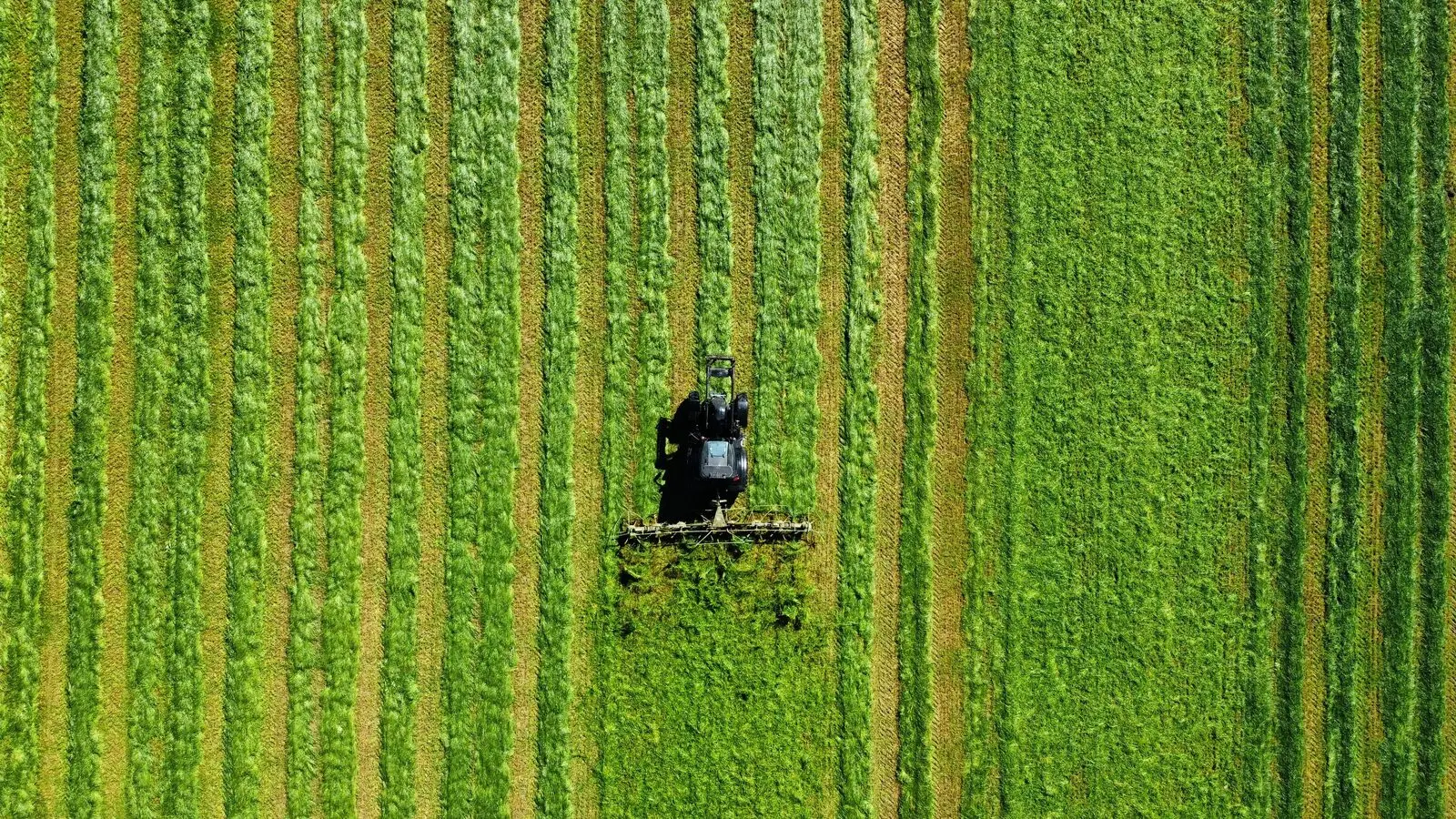
The farm can stay in production after a sale. The person making decisions about its future can still change completely.
That is the basic deal behind many farmland funds: investors supply capital to buy land, a manager collects rent or crop income, and the investors hope the land gains value. The farmer may keep operating the acreage as a tenant. But the deed, the equity and the next lease decision belong to someone else.
Who is buying?
Two public companies make the model unusually visible. Farmland Partners’ 2025 annual filing says it owned about 71,600 acres at year-end, down from a larger portfolio after property sales. It describes its goal as delivering returns through cash dividends and land appreciation. Gladstone Land’s 2025 filing reports 144 farms totaling 98,688 acres across 14 states. Gladstone says it generally owns and leases farms rather than growing the crops itself.
Then there are private vehicles. Nuveen Global Farmland is part of Nuveen Natural Capital’s farmland investment business, which markets agricultural property to institutional investors. Manulife’s Permanent Cropland Plus Fund is a closed-end partnership offered to qualified US institutional investors. Farmland LP offers private farmland funds to accredited investors. These are examples of private capital entering farmland, but they have different structures and strategies. Calling every institutional owner a “private equity firm” blurs those differences.
How does a farmland REIT work?
A real estate investment trust, or REIT, holds real estate and earns income from it. Farmland Partners and Gladstone Land sell shares to investors and hold farms through operating partnerships. Farmers lease the land, often under fixed rent or rent tied partly to crop revenue. The landlord receives rent; the operator bears the work and much of the production risk. Gladstone says some leases also put taxes, insurance and maintenance on tenants.
The tax structure matters. To qualify as a REIT, a company must meet real-estate income and asset rules and generally distribute at least 90% of its taxable income, with statutory adjustments. That rule does not promise a 90% return to shareholders. A shareholder’s return depends on dividends and the changing share price; a farmer’s rent is a separate obligation.
Private farmland funds usually raise money from a smaller pool of investors, buy or manage properties, and seek rent, crop income and eventual gains on land sales. Their units are not the same as exchange-traded REIT shares, and their fees and exit terms vary by fund.
What do returns actually look like?
The pitch has two parts: income from the land and appreciation of the land. A useful benchmark is the NCREIF Farmland Property Index, which tracks investment farmland held on behalf of institutions. Its published third-quarter 2026 return was 0.88% total: 0.82% income and 0.06% appreciation. That is one quarter, not an annual yield or a forecast. NCREIF reports property returns before portfolio-level investment fees and on an unleveraged basis. It does not measure the return on a particular REIT share or private fund unit.
Returns can turn sharply. Rent depends on what tenants can afford; land prices can fall; water, weather and interest rates can change the math. Farmland Partners warns in its filing that weaker tenant profitability can reduce rent collections and distributions. Its 2025 rental income also fell from 2024 after it sold properties. Farmland is an asset with risk, even when a fund markets it as steady.
Why farmers call it a land grab
A seller may welcome a strong offer, especially when retirement or debt makes a sale necessary. An investor purchase can keep a farm in agricultural use, and a tenant can keep working it. That is the case these companies make. But a working farmer trying to buy the same acreage must pay from farm earnings and financing, while a fund can price in a much longer hold and portfolio-wide goals.
Investigate Midwest found that investors were among several forces pushing land prices up and reported young farmers struggling to compete with cash buyers. Its reporting also records Farmland Partners executive Paul Pittman’s rebuttal: sellers deserve the highest price, and he disputes that institutional buyers are to blame for rising values. One transaction does not prove a national trend. The collision is real at a local auction, though: whoever can bid more controls the parcel, and the losing farmer may remain a renter instead of building equity.
The concern reaches beyond a single bid. A 2025 academic review of US land transitions says retirement-driven transfers create opportunities for financial institutions seeking rental profit while beginning farmers struggle to gain access. That does not mean funds own most US farmland. It means ownership changes can concentrate control even where the fields still look the same.
What the ownership numbers miss
The USDA’s 2024 AFIDA report says foreign persons reported interests in more than 46 million acres of US agricultural land, or 3.6% of privately held agricultural land. AFIDA tracks foreign interests, not all corporate or fund ownership. It cannot tell us how much land domestic farmland funds own. Nor should every AFIDA acre be treated as a farm bought by a foreign fund: reported interests include different land uses and types of ownership.
For a parcel, the practical questions are more specific than a national headline: Who holds the deed? Who sets the lease terms? Can the operator buy it later? And when the current farmer retires, who has a realistic shot at the land? Those answers decide whether the next generation gets a foothold or another rent bill.
See more of our land-grab coverage and local cash-rent data.


