Atrazine keeps showing up where it shouldn’t: in tap water, in rivers, in the groundwater beneath Midwestern farms. And now California is acting like a government agency is supposed to when its people are at risk.
California’s environmental health agency announced this month that it plans to list atrazine as a carcinogen. That decision comes as new research finds that roughly one-quarter of U.S. rivers and streams are contaminated with atrazine at levels that pose health risks. For millions of Americans who depend on surface water for drinking water, that’s not a distant threat. It’s in their glass.
The EPA, meanwhile, is taking a different path. The agency released a new drinking water guidance in early October that recommends a reference dose for atrazine exposure. But the standard it set doesn’t match the science, and it doesn’t match California’s assessment. In the face of growing evidence that atrazine causes cancer, the EPA’s “plan” amounts to a slower timeline for action that buys time for the chemical to keep contaminating American water.
The Scope is Continental
Atrazine is one of the most widely used herbicides in the United States. Farmers apply it to millions of acres of corn and sorghum every year, a practice that has been standard for decades. The chemical works by disrupting photosynthesis in weeds. But it also moves through soil, leaches into groundwater, and washes into surface water with rain and runoff. Once in the water system, it stays. It’s designed to be persistent.
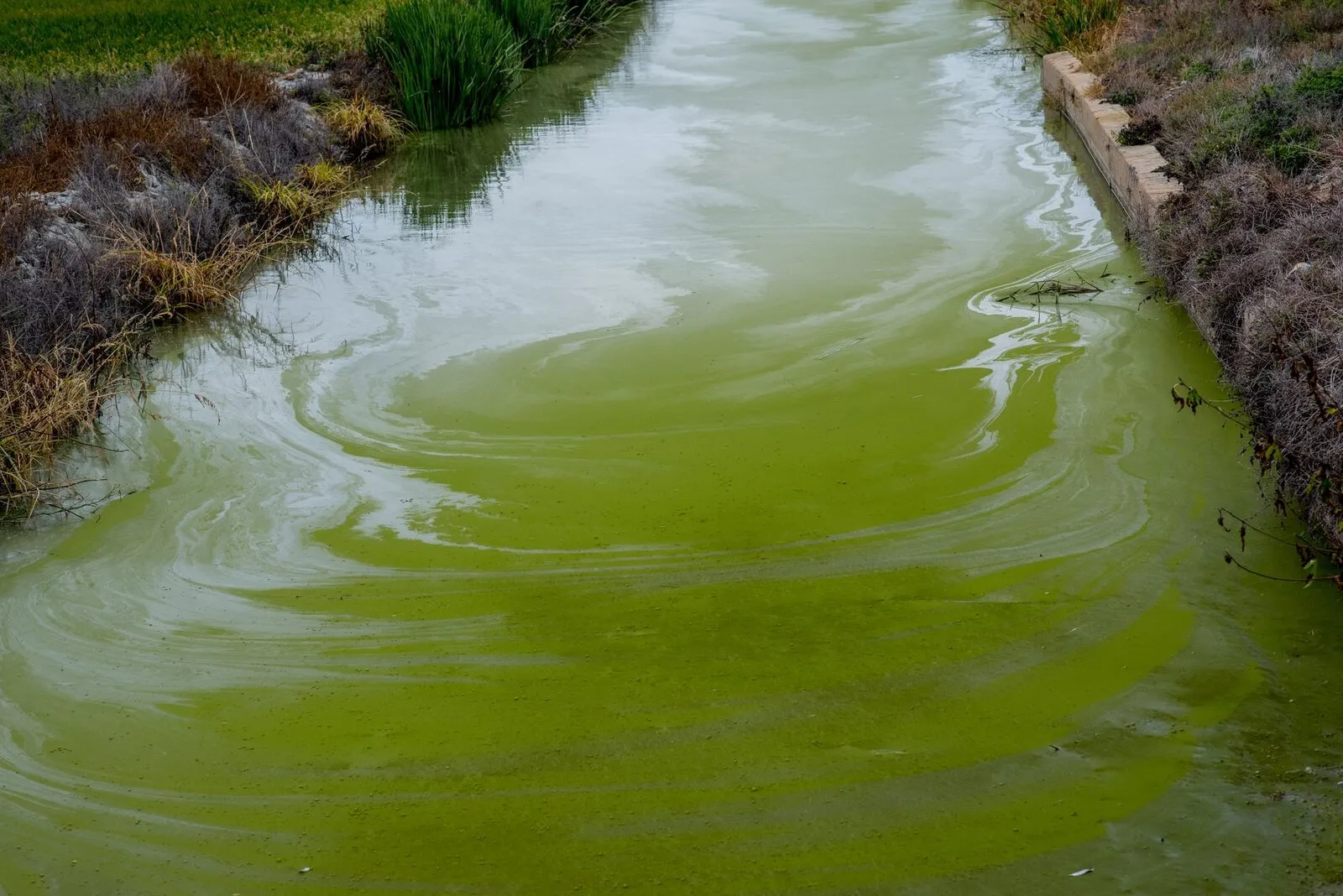
The contamination is pervasive. The analysis cited by the Environmental Working Group found atrazine in about 1 in 4 miles of U.S. rivers and streams. That number alone should prompt action. But the geographic distribution matters too. The Corn Belt, where atrazine use is heaviest, is also where many communities rely on surface water for drinking. Iowa, Illinois, Indiana, Minnesota, and Missouri all see significant atrazine contamination in their waterways.
Rural families, farm workers, and small-town water systems are exposed to this chemical constantly. Some wells have been closed because atrazine levels exceeded drinking water standards. Others keep running because the EPA hasn’t set a drinking water limit strict enough to trigger action.
California’s Move, the EPA’s Hedge
California has a different toxicology standard. The state requires its Office of Environmental Health Hazard Assessment to evaluate whether chemicals pose a cancer risk and, if so, to label them. The assessment for atrazine found evidence of carcinogenicity, so California is moving forward with a formal listing.
That listing will trigger requirements: warning labels on products, consumer notification about water contamination, and — potentially — pressure on manufacturers and regulators to reconsider the chemical’s place in agriculture.
The EPA’s October guidance, by contrast, sets a reference dose based on a risk assessment that some toxicologists dispute. The agency is not proposing to ban atrazine or even to lower the current drinking water maximum contaminant level (MCL). Instead, it’s offering a reference dose that suggests a level of exposure the EPA considers “safe.” But safe for whom, and based on what timeline?
The Human Cost
For farmers, the dilemma is real. Atrazine works. It’s cheap. Switching to alternative herbicides costs money and involves uncertainty about crop performance. For farm workers who handle the chemical during application, the exposure is direct and repeated. For rural families depending on well water or community systems fed by surface water, the exposure is ongoing and involuntary.
The research connecting atrazine to health effects keeps accumulating. Studies have linked the chemical to reproductive and developmental harm in laboratory animals at doses lower than the EPA’s reference dose. Some epidemiological evidence suggests associations with birth defects and other health effects in humans, though the evidence base is still being developed.
Yet the regulatory response remains sluggish. The EPA reviewed atrazine in the 1990s and again in the 2000s. Each time, the agency stopped short of major action. The chemical remains in wide use.
What Happens Next
California’s declaration that atrazine is a carcinogen won’t directly change federal regulation, but it will create visibility. Products sold in California will need to warn consumers. Residents will know that their state considers the chemical a cancer risk. And that knowledge may create pressure on the EPA to move faster.
The agency should. Farm input costs keep climbing, squeezing farmers’ margins and forcing difficult choices about what to apply and when. But those choices shouldn’t be made in ignorance of health risks to the people downstream. And rural communities that depend on well water shouldn’t have to choose between farming economy and drinking water safety.
The EPA has the authority to act. It can tighten the drinking water MCL. It can restrict atrazine use in certain regions where contamination is especially severe. It can fund research into alternatives and help farmers transition away from the chemical.
California’s move says: we’re not waiting for federal action. For the millions of Americans drinking atrazine-contaminated water, that’s a start. But federal action is still overdue.
Read more of our reporting on pollution and soil health.


