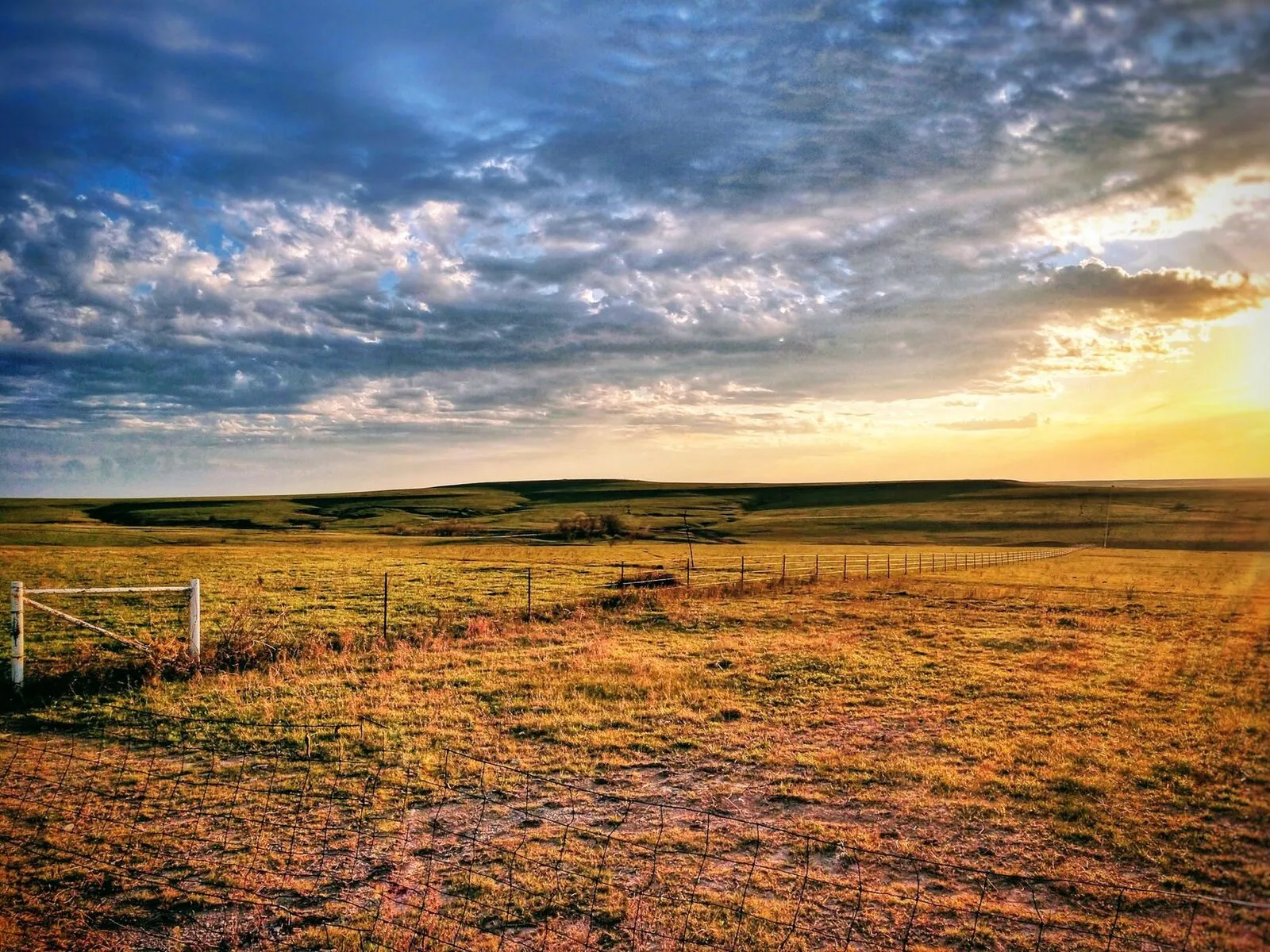
The Walmart Foundation committed $9 million this week to launch the Great Plains Grassland Fund, a conservation initiative designed to help ranchers keep working lands intact. The effort comes as family operations face mounting pressure from consolidation, input costs, and a warming climate that threatens the ecological and economic foundation of the region.
The fund operates as a public-private partnership built to address a specific crisis: grasslands across the Great Plains are vanishing. Working ranches historically stewarded these ecosystems, but when farmers can’t make economics work, land often converts to corporate commodity crops, undergoes development, or becomes abandoned. By giving ranchers “the tools and resources needed to keep working lands and grasslands intact,” the Walmart Foundation is targeting a gap where family ranchers lack capital for conservation practices that would otherwise make their operations more sustainable.
Grassland preservation matters beyond aesthetics. These ecosystems sequester carbon, support wildlife habitat, and filter water. When family ranchers exit, they take with them decades of land stewardship knowledge. What replaces them is typically industrial monoculture, which depletes soil, requires heavy chemical inputs, and concentrates profit extraction upward, leaving rural communities hollowed out.
The timing reflects mounting urgency. Feed costs have surged as fertilizer prices climb and interest rates remain punitive for farmers carrying debt. Many ranchers born into multi-generational operations face a binary choice: consolidate with industrial operators or exit. Conservation-focused funding that helps the latter group stay in place is exactly the kind of intervention the sector needs.
The initiative also signals that major capital is beginning to recognize what agricultural economists have long documented. Family farm systems, when supported, outperform industrial alternatives on both environmental and community resilience metrics. Walmart’s bet isn’t charity; it’s hedging against a food system that fails when it concentrates too much risk and supply-chain leverage in too few hands.
Other ranchers facing similar pressures are exploring regenerative agriculture models, while some are organizing against regulatory cuts that would have accelerated consolidation. The grassland fund opens a new channel: direct financial partnership with conservation outcomes attached.
Ranchers interested in the fund should look to Walmart Foundation communications and regional land trusts, which typically administer such programs locally. The mechanics matter as much as the money, so participation will likely depend on application processes, eligibility criteria, and how rigorous the conservation commitments need to be.


