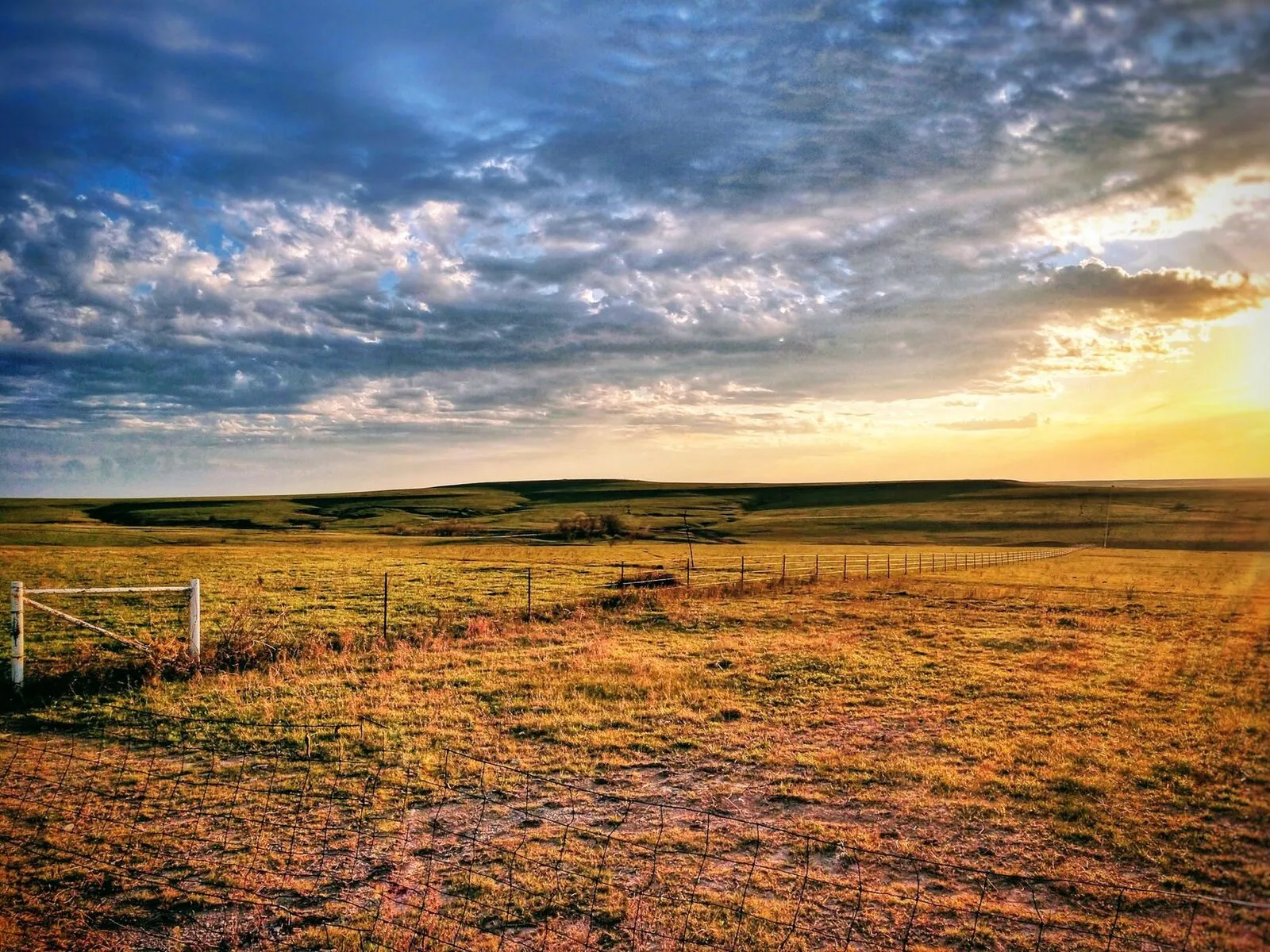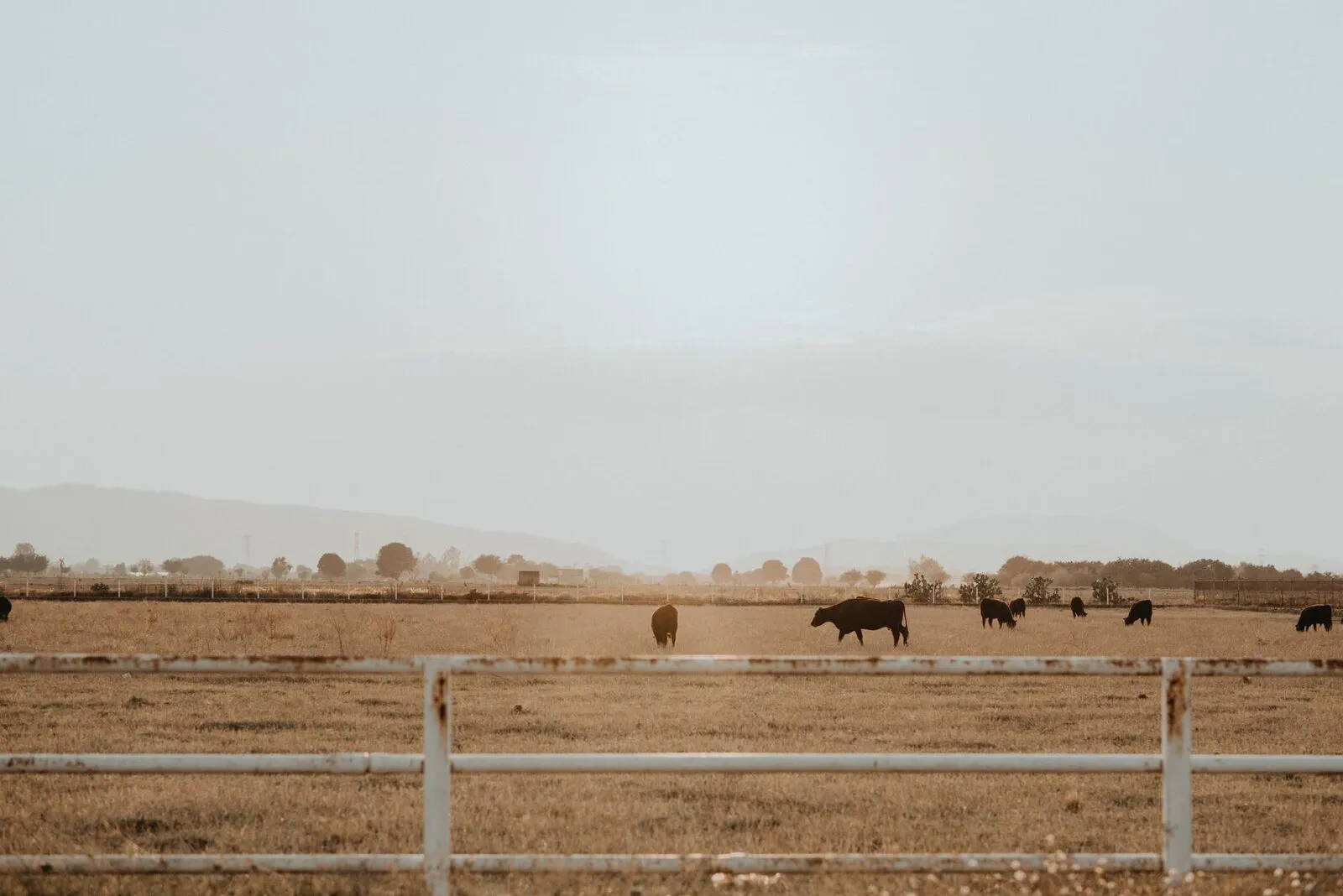
Cattle ranchers got some rare good news today: a new bill from Sens. Amy Klobuchar (D-Minn.) and Mike Rounds (R-S.D.) would create a voluntary working lands program that opens 20 million acres for grazing and helps rebuild depleted herds after years of herd liquidation and soaring input costs.
The RANCH Act, introduced today, targets a real crisis in cattle country. Ranchers have been selling off animals faster than they can replace them—a spiral driven by drought, feed prices, and commodity market collapse. Herd numbers have thinned to levels not seen in decades, and rebuilding takes years of careful management and capital that most operations don’t have.
How It Works
The program would pay ranchers who commit to managing grazing lands for restoration. The idea: voluntary enrollment, direct payments for conservation and herd-building outcomes, and a genuine pathway for operations squeezed by economics to stay in business while improving land health. Twenty million acres sounds vast until you realize it’s a fraction of U.S. rangeland—but it’s a start.
Recent data shows cattle operations remain under margin pressure across the commodity chain. This program doesn’t solve consolidation or meatpacker monopolies, but it does what direct policy can: it removes financial barriers to herd restoration and rewards the ranchers who want to stay independent.
The Political Lift
Bipartisan backing from Klobuchar and Rounds is significant. This isn’t ideology—it’s survival economics. Both senators represent cattle country where ranchers are the backbone of rural communities. The bill aligns with broader conservation goals (improved grassland management, carbon sequestration) while explicitly supporting family operations trying to rebuild.
The bill still faces committee and budget scrutiny, but it lands at a moment when ranchers are desperate for alternatives to liquidation. Young and beginning farmers already struggle with the debt spiral that crushes farm independence. A working lands program that pays restoration could be the ramp that keeps the next generation in ranching.
Whether the Senate passes it depends on farm bill politics and budget priorities—but for cattle country, this is the kind of policy that doesn’t come around often.