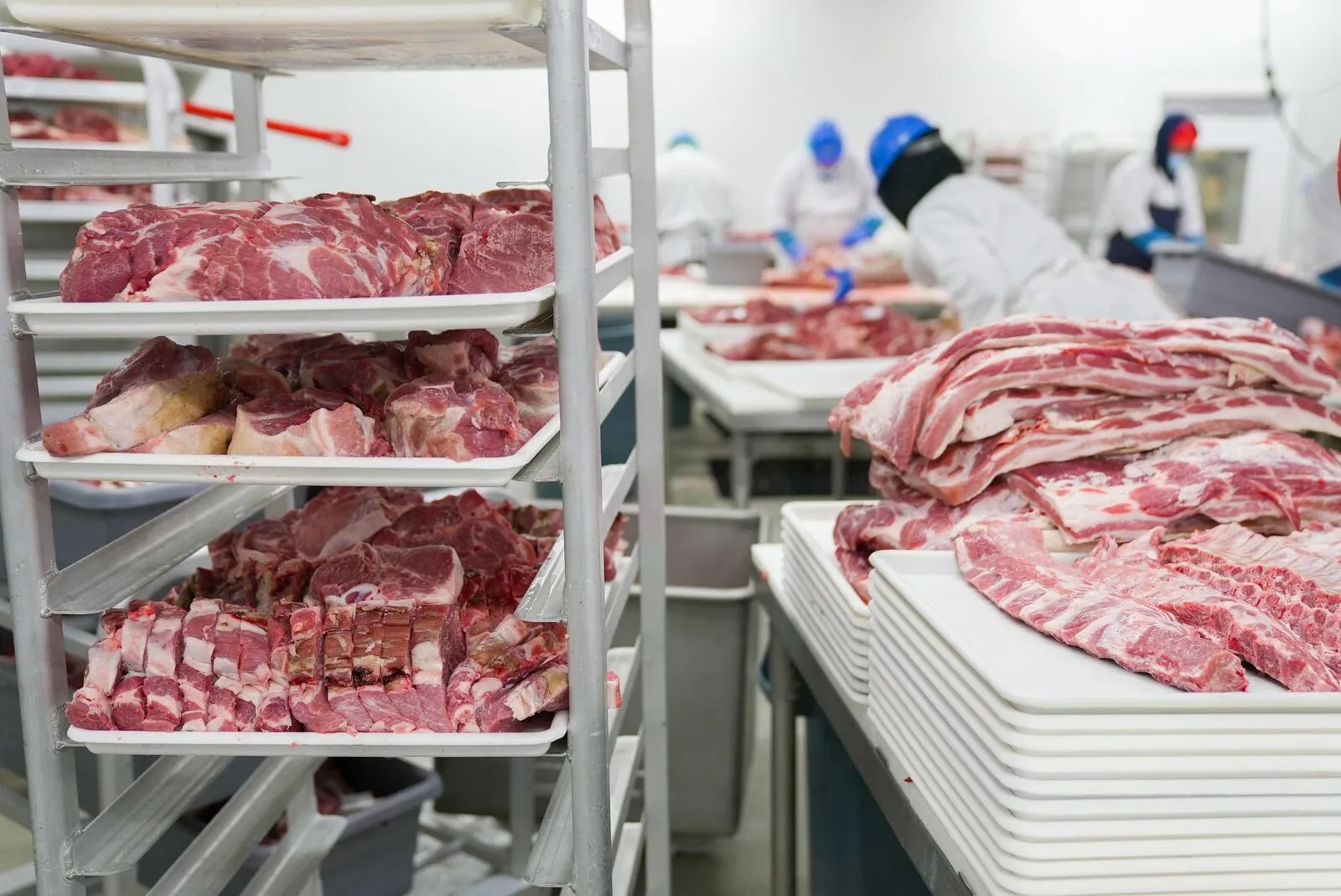
Tyson Foods shut down its beef processing facility in Joslin, Illinois without advance notice to farmers or workers on August 14, eliminating 3,000 head per day of slaughter capacity in one of the nation’s most critical cattle-feeding regions. Cattle feeders across the Midwest corridor now face a shrinking roster of places to sell their animals—a bottleneck that advantages the very companies that control the remaining plants.
The closure underscores how deeply beef consolidation has gutted farmer leverage. Tyson and a small handful of competitors control roughly 80% of U.S. beef processing. When one facility shuts down, feeders don’t just lose a market outlet; they lose negotiating power. The company is consolidating its beef operations across just three anchor facilities: Dakota City (Nebraska), Holcomb (Kansas), and Amarillo (Texas), leaving entire regions dependent on a single buyer.
The Joslin closure is the latest move in what Tyson has called its strategy to reduce beef’s footprint in its overall portfolio. The company argues beef is merely a “commodity business” and has announced additional plant reductions that will cut capacity by an additional 10,000 head per day. But for feeders holding cattle now, the math is brutal: fewer places to sell means weaker prices, tighter margins, and no real choice.
Cattle producers already facing summer heat and drought that have choked pasture quality nationwide are now squeezed from both sides—environmental stress reducing herd health and consolidation shrinking the market. The pattern of beef-price pressure that has persisted even as meatpackers profit continues: feeders absorb the risk while corporations extract the returns.
The unannounced closure also signals how little leverage even major feeders have in this landscape. No public notice. No phase-out period. The Midwest’s cattle system simply reorganizes around Tyson’s bottom line, and farmers adjust or get pushed out.