Tyson Foods announced today that it’s shutting down its Joslin, Illinois beef plant without warning, eliminating 3,000 head of daily processing capacity and leaving cattle feeders scrambling across the Midwest. Hours later, the company revealed a broader restructuring: additional plant closures will cut total beef capacity by 10,000 head per day, consolidating production around just three anchor facilities in Dakota City, Nebraska; Holcomb, Kansas; and Amarillo, Texas.
The moves mark an aggressive consolidation in an already hyper-concentrated meatpacking sector. Tyson’s restructuring will concentrate roughly 40% of U.S. beef processing into a handful of mega-plants—a concentration that leaves cattle producers vulnerable and tightens the company’s grip on what executives themselves describe as their “only true commodity business.”
The timing is brutal. Tyson reported record profits this year—more than double last year’s earnings in just six months—while consumer beef prices hit $10.49 per pound. Those profits aren’t flowing to farmers or ranchers. Instead, Tyson is using them to consolidate capacity, reduce its exposure to commodity beef, and tighten its market control. Meanwhile, cattle feeders depend on that company’s plants to move inventory.
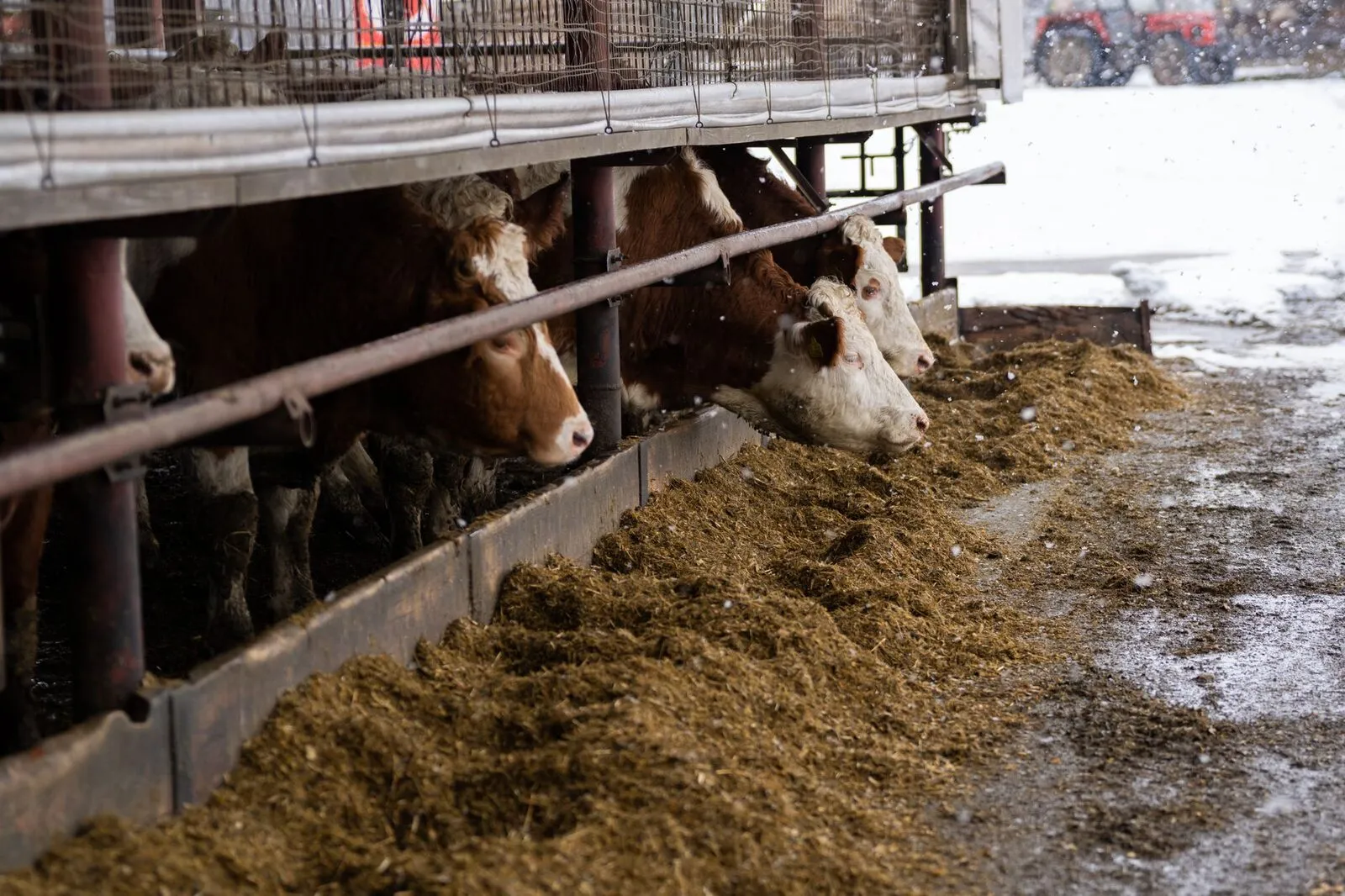
“Cattle feeders are now scrambling,” reported Beef Magazine after the Illinois closure, with producers left to find alternative processing options in a market where alternatives are few. The Joslin facility was a critical outlet for Midwest feeders. Losing it without notice means animals backed up, feeding costs mounting, and decisions about whether to hold cattle longer (betting prices rise) or sell at a loss.
This isn’t just about one plant or one day’s bad news. It’s the latest chapter in the meatpacking monopoly story. The beef industry—like pork and poultry—has consolidated relentlessly over the past two decades. The top four meatpackers now control roughly 85% of beef processing capacity. When one of them yanks capacity offline, the rest hold all the leverage. Feeders have nowhere else to go, and prices reflect that reality: ranchers are getting crushed even as consumers pay record prices, because the gap is captured by consolidated meatpackers.
Tyson’s decision to anchor production at three mega-facilities is economically rational for the corporation: lower operating costs, tighter control, easier to weather commodity price swings by simply reducing throughput. It’s poison for the farmers and ranchers who depend on having real options.
The broader ripple is worth watching. Tyson framed this move as a response to “market conditions,” but what market conditions? Record company profits and record beef prices, that’s what. The company is consolidating because it can—because it’s big enough to command the market, force smaller competitors out, and ignore the chaos it creates downstream. The unspoken message to cattle feeders: adapt or get out.
This is the reality of American agriculture in 2026. Family farmers operate in markets where the buyer, the supplier, the regulator, and the bank are all the same oligopoly or none at all. The seed patent wars have already locked up genetics. Equipment manufacturers won’t let farmers repair their own tractors. Input costs are crushing operations. And now, when you’ve raised and fed cattle for months or years, the place you can sell them shrinks by thousands of heads per day.
Tyson’s Illinois shutdown is a news break. But it’s also a reminder: consolidation is an ongoing strategy, not a completed state. Every quarter brings another restructuring, another plant offline, another tightening of the noose. The company doubled its profits while choking off capacity. That’s not a paradox in a monopoly—that’s the entire point.