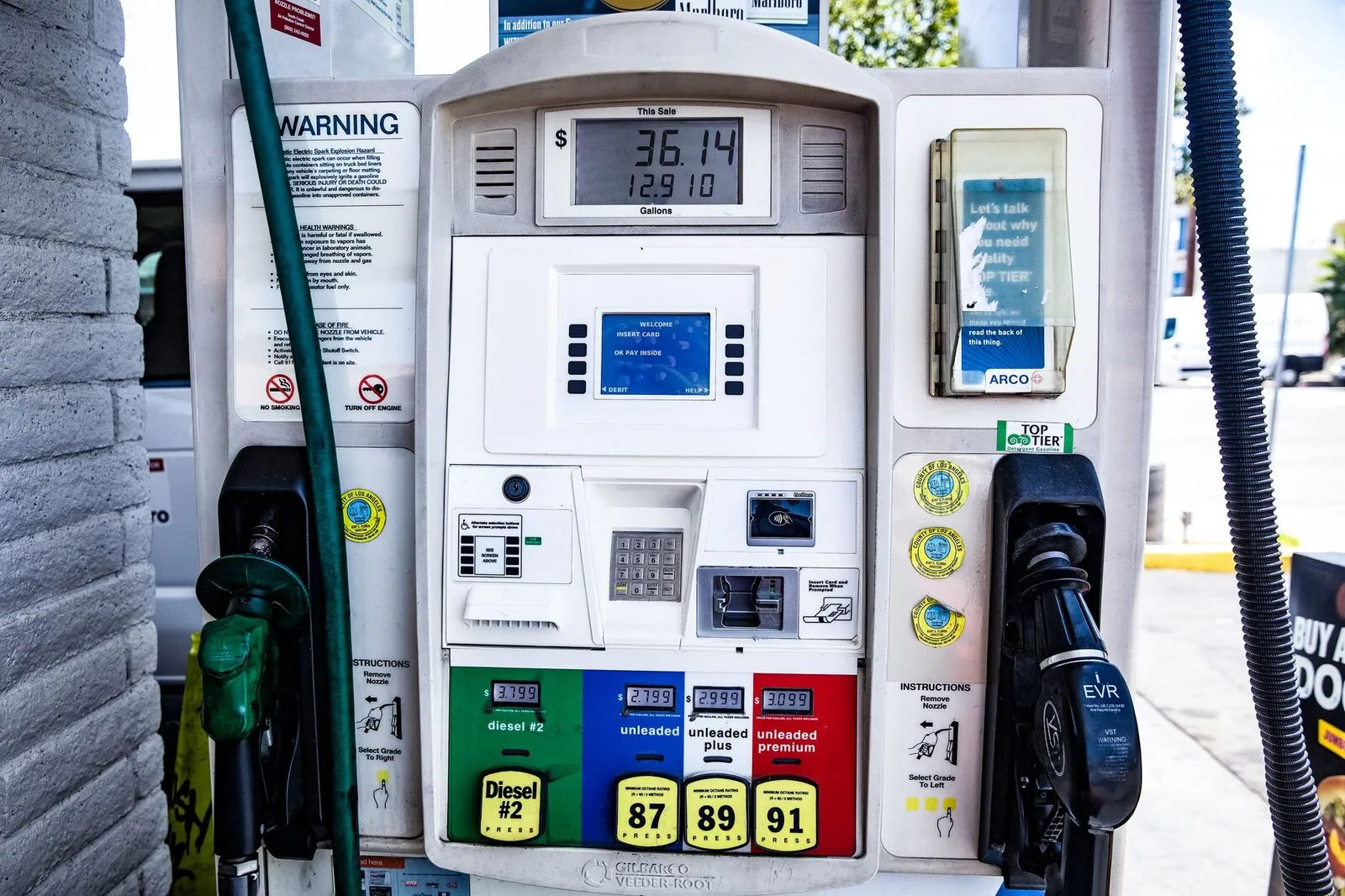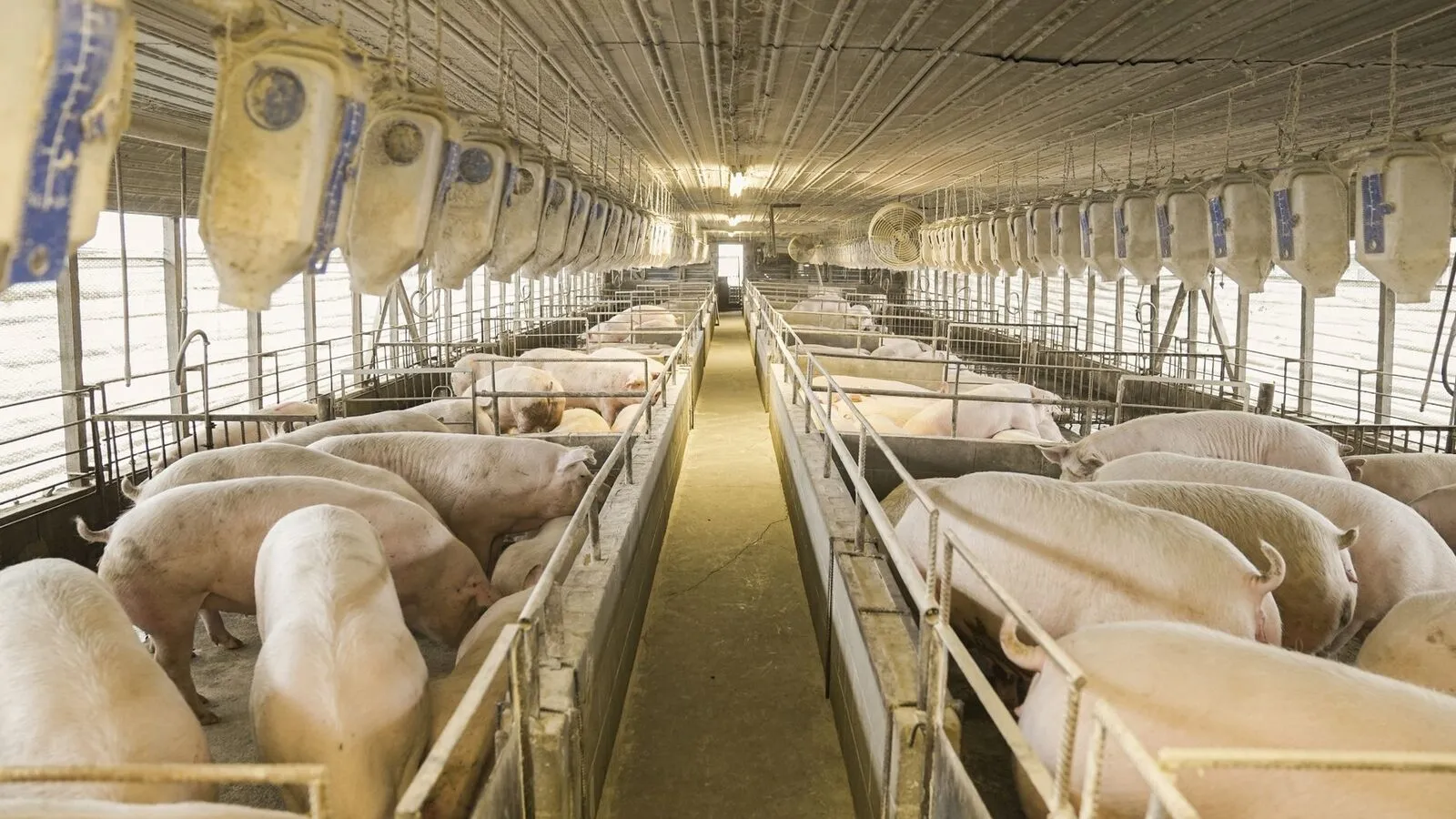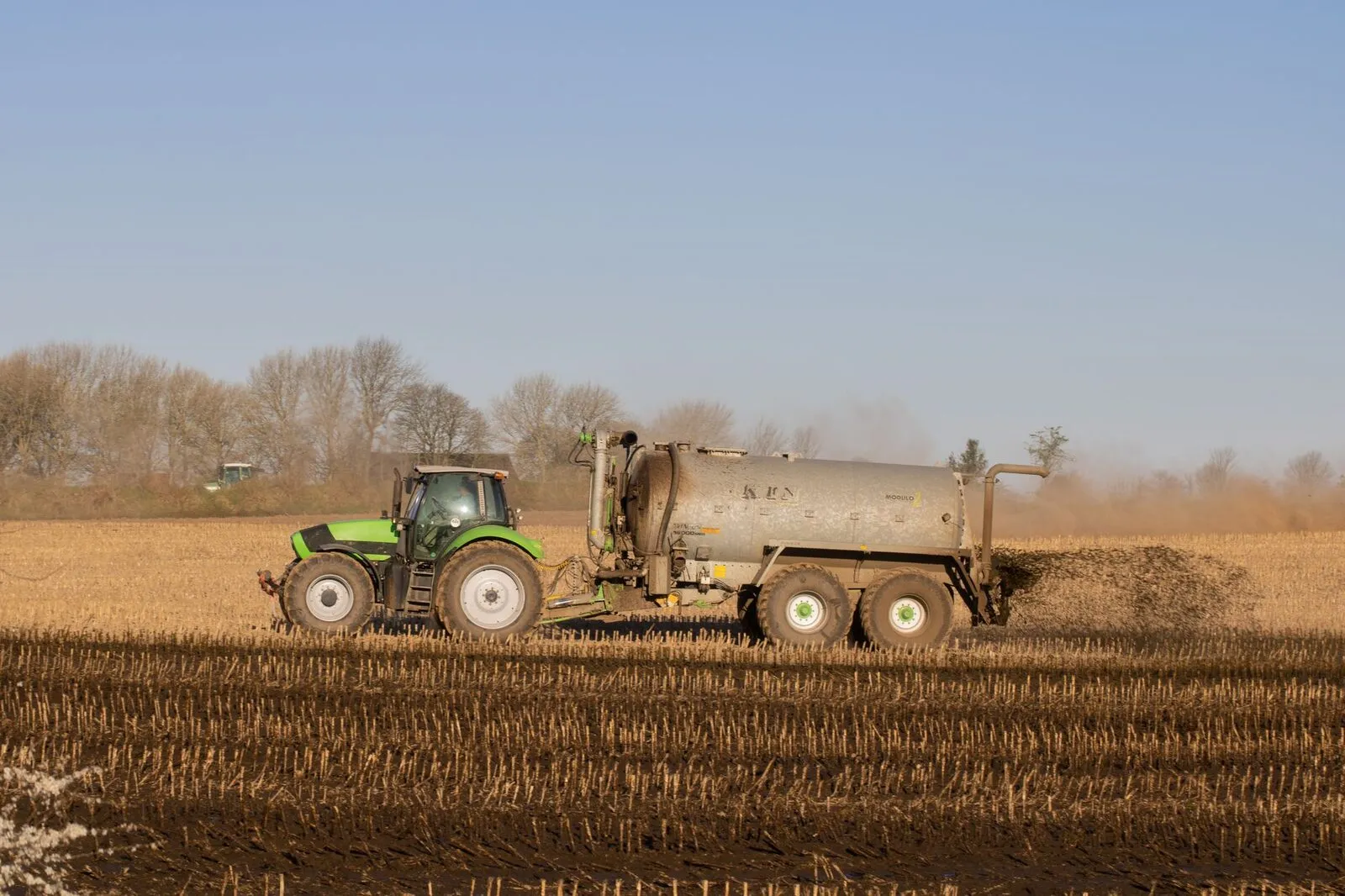
Fertilizer prices have tripled in some regions since 2020. Farmers are rationing nitrogen. And four companies—CF Industries, Koch Fertilizer, Yara, and Nutrien—control most of the game.
On May 28, the Federal Trade Commission formally opened an antitrust investigation into fertilizer producers for potential price fixing and market manipulation. In early July, FTC Chair Andrew Ferguson confirmed the probe is active, telling Texas corn growers the agency is using civil investigative demands to pull documents and testimony from major manufacturers.
The urgency is justified. Nitrogen fertilizer prices have jumped 25 to 45 percent since 2024, while phosphate and potash prices are up 20-40 and 15 percent respectively. Since 2020, prices have surged over 150 percent—far outpacing inflation and wage growth. Fertilizer is now the single largest driver of farm input cost increases, consuming 20 to 30 percent of total production budgets for crops like corn and soybeans.
For small and mid-size farms already drowning in debt (and bankruptcy filings surged 130 percent in April), that squeeze is lethal. The same consolidation dynamic that’s swallowed farmland ownership and meatpacker competition is now choking the input supply chain. Soybean production costs have risen 165 percent since 2020; corn and wheat are up 146 and 106 percent. When half your operating budget goes to inputs you can’t negotiate on, you’re playing a rigged game.
The FTC and Department of Justice are also investigating whether producers coordinated production cuts to inflate prices. Two class-action lawsuits allege the companies colluded during the 2021 price spike—adding an estimated 128,000 dollars in additional costs per farm in 2022 alone. All named defendants have denied wrongdoing, but the simultaneous federal and private legal pressure marks the sharpest crackdown on fertilizer market concentration in decades.
Regulators are also eyeing the export side. The DOJ and FTC are examining whether fertilizer producers are artificially constraining U.S. supply to jack up global prices, then reselling internationally—leaving American farmers to bid against foreign buyers for domestic nutrients.
On the supply side, the USDA is playing offense. On July 1, Secretary Brooke L. Rollins announced the $500 million FIELDS program (Fertilizer Investment & Expansion for Long-Term Domestic Supply), offering $15 to $150 million per project to expand U.S. manufacturing of nitrogen, phosphate, potash, and sulfur. The USDA expects to fund approximately ten projects by late 2026, with applications due August 15.
The FIELDS bet is that breaking the market’s geographic bottlenecks will increase competition and drive prices down. It’s a smart play—but it’s fundamentally a long-term fix in a crisis that’s happening now. New fertilizer plants take years to come online. Farmers face decisions this season with prices locked in today.
The antitrust investigation is faster. A settlement or finding of wrongdoing could force the giants to open supply, license tech, or face behavioral remedies. But the FTC’s timetable is glacial compared to the farm economy’s clock. Meanwhile, family operations are doing the math: cut fertilizer rates (and yields), borrow more, or get out.
That’s the squeeze. The FTC is investigating. The USDA is investing. But four companies are still writing the rules.
What to watch: The FTC’s investigative demands are live. The USDA FIELDS application window closes August 15. And bankruptcy courts are filling up faster than new competitors can start building.