Ranchers are getting crushed. Beef prices have collapsed. Cattle operations that should be viable are bleeding cash. And the culprit, according to the USDA, is not drought or bad weather—it’s a broken market where meatpacking giants control the squeeze.
On June 30, Secretary of Agriculture Rollins announced the Strengthening Processing for U.S. Ranchers (SPUR) Program: up to $500 million in Commodity Credit Corporation (CCC) payments to help small- and mid-size beef processors survive a consolidation crisis.
The bet is stark: prop up independent processors, or watch family ranching disappear into the hands of four giant meatpackers.
The Consolidation Trap
The math for ranchers is brutal. A steer that sold for $1,200 five years ago now fetches $800. Costs for feed, fuel, and veterinary care have stayed flat or risen. The gap is not market forces—it’s market power. Fewer than 10 companies control roughly 85% of U.S. beef processing capacity, giving them the leverage to dictate what ranchers can sell cattle for while controlling retail prices.
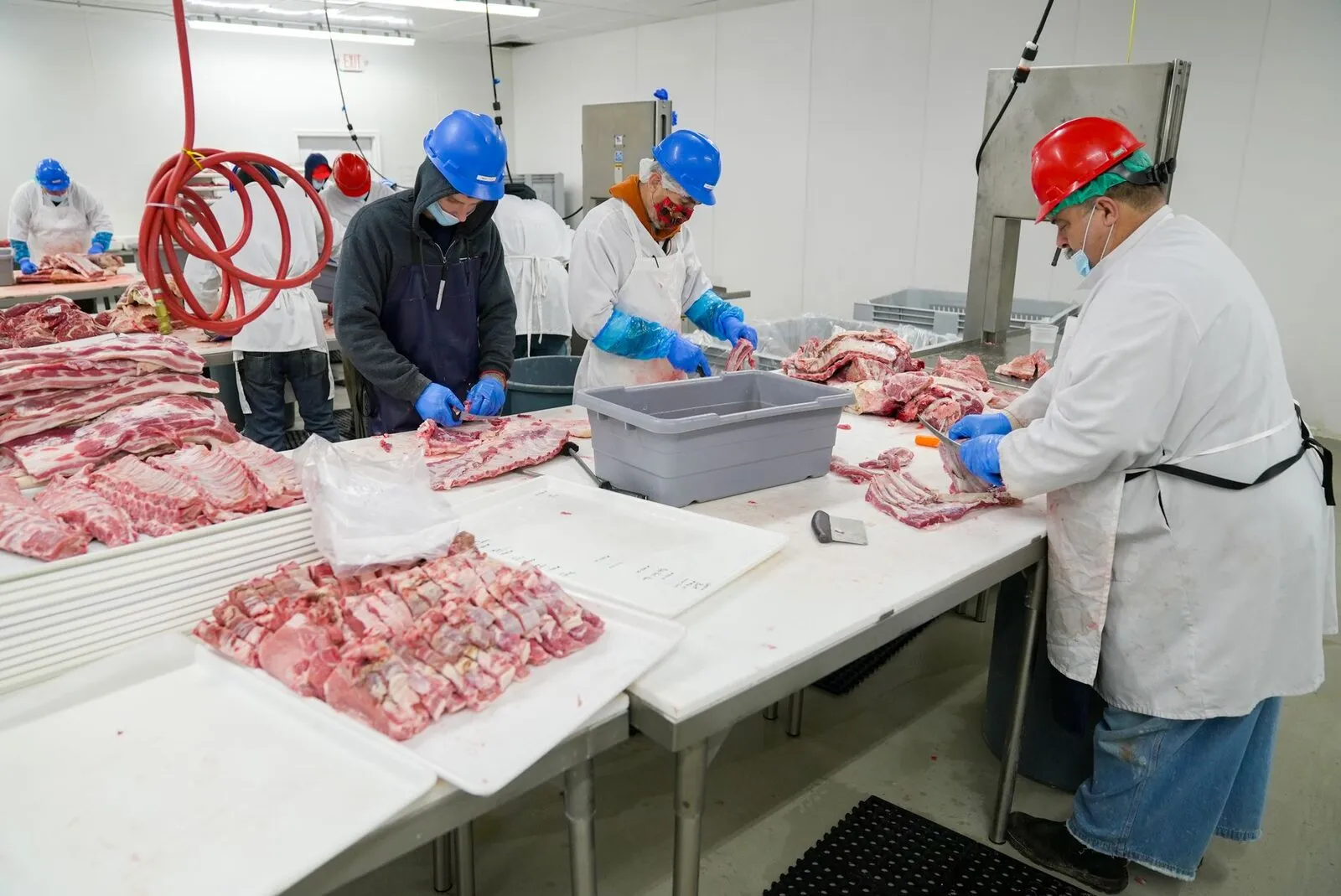
Small and mid-size processors—independent slaughterhouses that once competed for rancher business and paid premium prices—have vanished. Bankrupt. Bought out. Closed. Without competition, the giants face no pressure to bid higher for livestock.
As bankruptcies surge across agriculture, with Chapter 12 filings up 130% in April alone, ranchers are trapped between commodity collapse and captive buyer markets. SPUR is the USDA’s answer: capital to rebuild the processing middle.
Who Qualifies—And Who Doesn’t
SPUR money goes to beef processors that are:
- Federally inspected (meet USDA standards).
- U.S. owned (no foreign shell companies).
- Under the 25% market-share cap (not already one of the Big Four).
The intent is clear: exclude the giants, fund the scrappy competitors who could actually bid against them. Processors can use SPUR funds for facility upgrades, equipment, operating costs, or debt reduction.
A Lifeline—Or a Band-Aid?
The numbers matter. $500 million is real money. It’s not pocket change. But processing capacity takes years to rebuild, and consolidation is not stopping. To genuinely break the grip of Big Ag on meat, the U.S. would need to rebuild dozens of independent facilities across the country—not just stabilize a handful of struggling ones.
SPUR is a stabilization play, not a structural fix. It keeps ranchers from being locked into a monopoly right now. It may prevent the final collapse of the middle. But without larger antitrust action or structural limits on consolidation, even a half-billion dollars is a temporary reprieve.
As federal courts work to restore farmer power through rulings on repair rights and young-farmer lending, the beef sector’s consolidation remains one of agriculture’s most urgent crises. Ranchers need stable cattle prices, not just crisis loans.
What’s Next
The SPUR application window opens this fall. Eligible processors can apply through USDA’s Farm Service Agency (FSA). The program runs through fiscal 2026 and potentially beyond, depending on funding and uptake.
For ranchers, the message is: there may be an alternative buyer appearing on the horizon. For the meatpacking giants, the message is: the government is finally willing to spend to break your grip.
Whether $500 million is enough—or whether it’s too little, too late—will tell us something crucial about whether family ranching has a future in America.