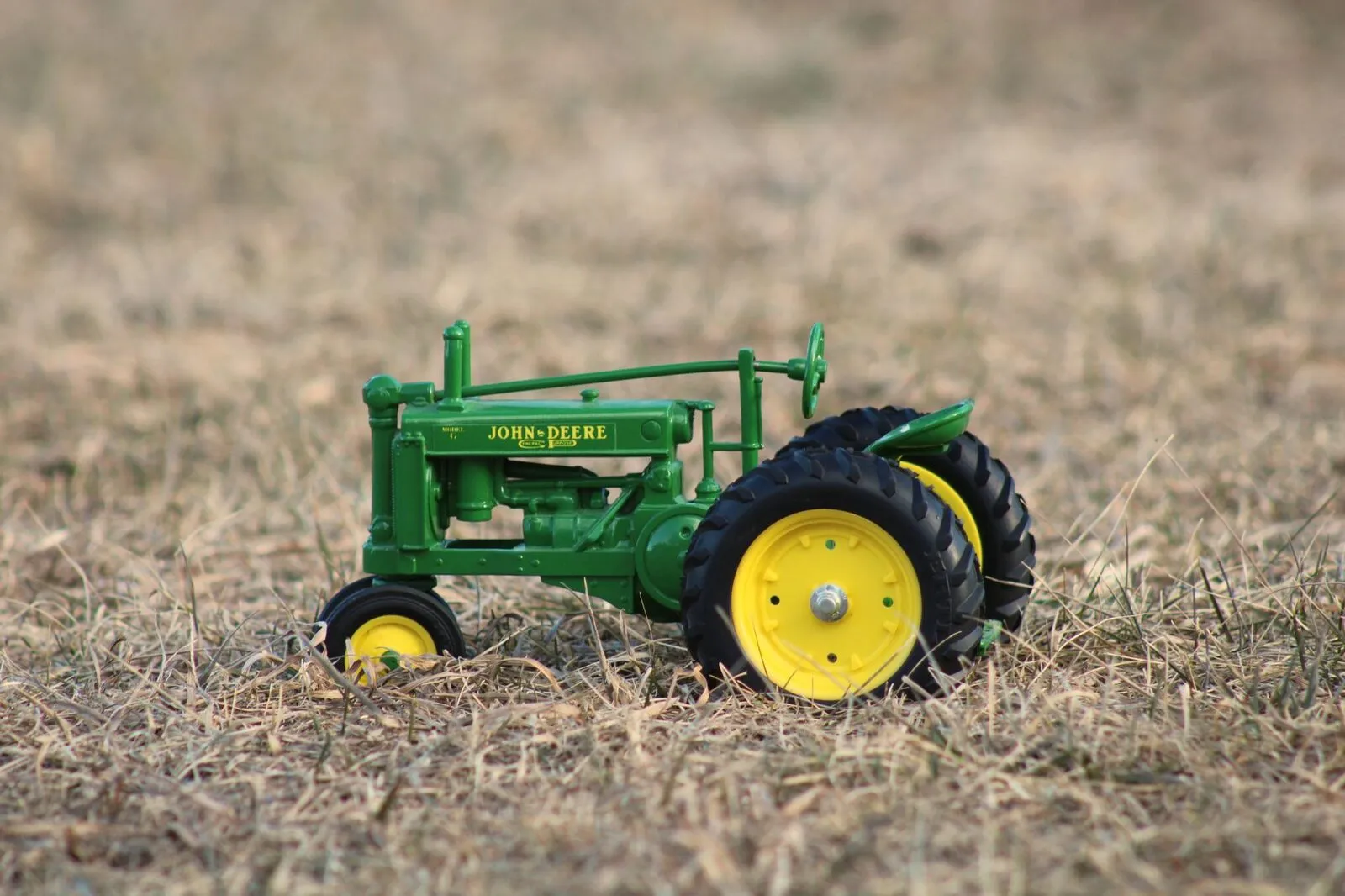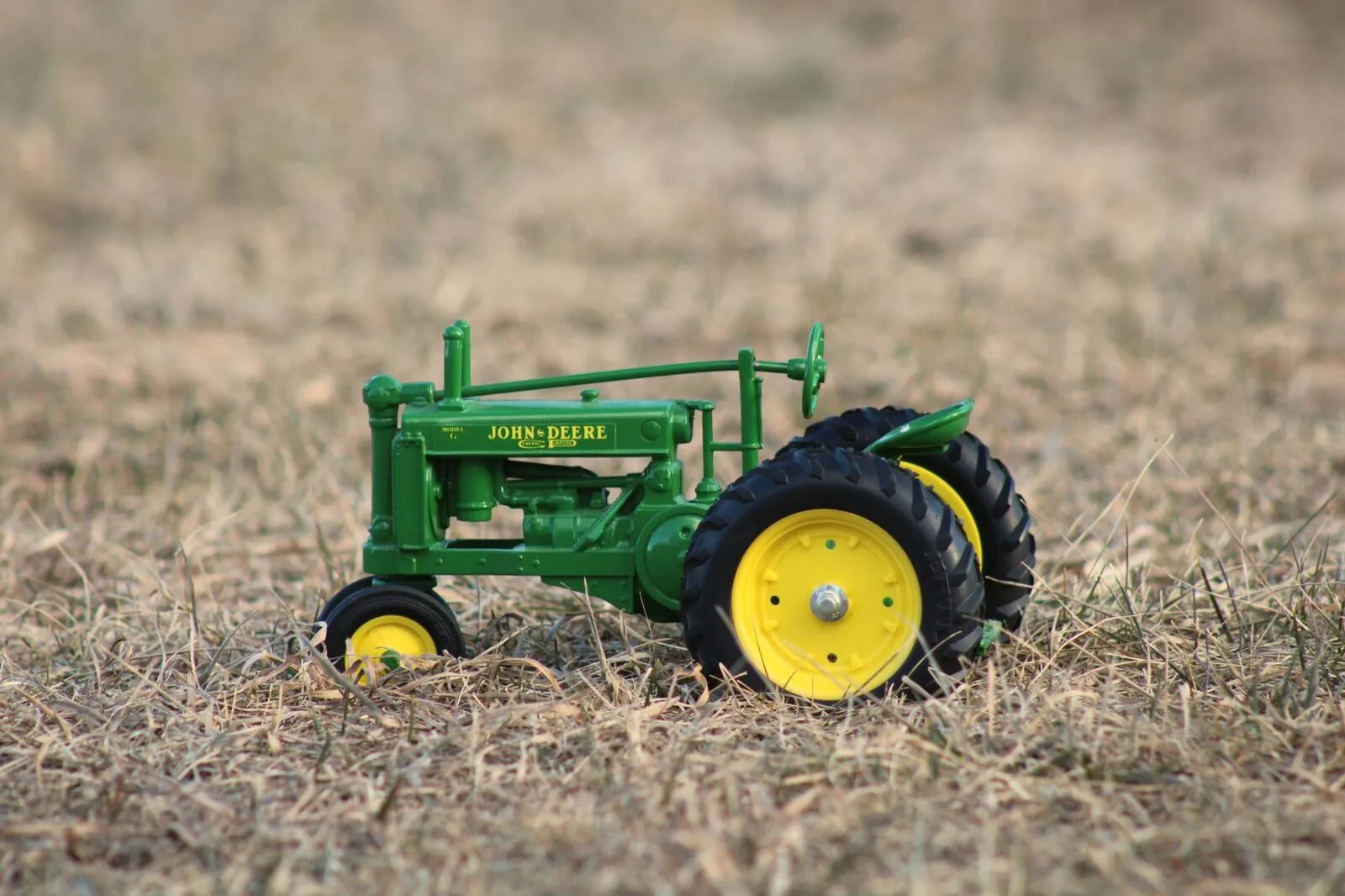
For the first time in years, farmers can legally fix their own John Deere tractors without being locked out by software restrictions. On July 8, the Federal Trade Commission and five state attorneys general finalized an antitrust settlement that forces Deere & Company to open its repair data and diagnostic tools to farmers and independent repair shops for the next decade.
The win breaks a decade-long stranglehold. Deere’s monopoly over equipment diagnostics—by bricking machines that farmers tried to repair themselves or took to non-authorized dealers—had become part of the farm debt trap. When a tractor breaks during critical harvest weeks, farmers had no choice but to call an authorized dealer, pay premium rates, and wait for a technician to drive out. Deere made that wait longer by restricting access to the software codes that trigger failures.
“This settlement is a recognition that farmers own their equipment—not Deere,” said the FTC in its announcement.
What Farmers Get Now
The settlement requires Deere to provide farmers and independent repair shops with the same technical resources its authorized dealers get: fault code readers and reset tools, firmware and software reprogramming, machine restart capabilities after emissions shutdowns, and access to technical manuals. All on “fair and reasonable terms”—a legal phrase that will matter when the FTC enforces the deal.
For independent shops, the win is survival. Small-town mechanics who once fixed everything from combines to combines now compete against franchised dealers with exclusive tech access. That asymmetry forced farmers to either travel hours to the dealer or watch their equipment gather dust. The settlement doesn’t guarantee reasonable prices—Deere can still charge—but at least the information barrier falls.
Farmers will have to pay for the tools, training, and data. But they’ll own the results of their own repair work, not be blacklisted by the machine for trying. One farmer told Marketplace that a simple sensor replacement at an authorized dealer costs $600 plus a technician visit. At an independent shop, the same job might cost $150.
The catch: it expires in 10 years. Deere is betting on outlasting the order while it waits for a friendlier political climate to overturn it.
Why This Matters Now
Equipment consolidation and repair monopolies are central to the farm debt crisis. Rising farm bankruptcies have climbed 46% since 2024, and unexpected repair bills can tip an already-stressed operation into Chapter 12. For a small grain farmer running a $2 million operation on razor-thin margins, a $5,000 emergency dealer service call in August isn’t just an expense—it’s a decision between fixing the combine or meeting the land payment.
Forced dealer visits also waste time during the growing season when farmers can’t afford downtime. A combine breaking during peak harvest can cost thousands in lost bushels per day. Deere’s monopoly turned that pressure into a profit center: farmers in crisis have no choice but to pay whatever the authorized dealer demands and wait.
The company’s stranglehold extends beyond repair. John Deere controls more than 50% of the large tractor market. The same consolidation that squeezes repair access also determines seed and equipment availability, finance terms, and resale value. When one company owns that much of the supply chain, farmers aren’t customers—they’re captives.
The FTC’s case, filed in January 2025, argued that Deere’s practices violated antitrust law by locking out competition. The agency documented how Deere used software locks to prevent farmers from accessing their own machines’ diagnostic data—the same restriction that smartphone makers faced in earlier antitrust cases.
Farmer advocates and independent shop owners celebrated the settlement, though many added a caveat: the deal is only as strong as FTC enforcement. Deere has already signaled it will fight compliance in court, and the company’s history suggests it will exploit every loophole in the settlement language.
Deere will likely drag out compliance. But for the first time, farmers won’t be just buyers—they’ll own the machines they bought. And that ownership might be the difference between survival and bankruptcy.
Sources: