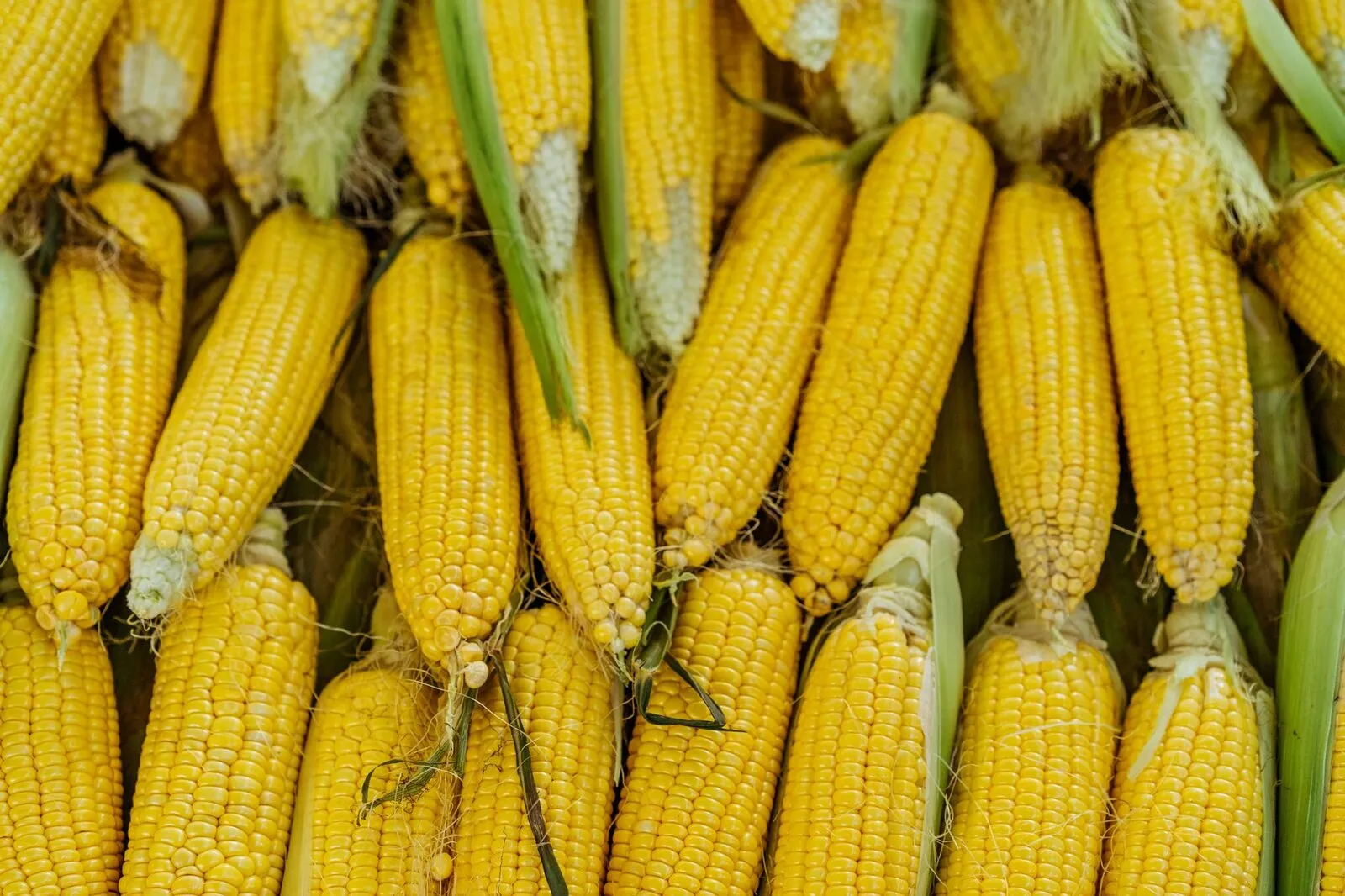
A combination of extreme heat and dry conditions is threatening corn crops across the Corn Belt during the most critical week of the growing season: pollination. With temperatures approaching 100°F and rainfall sparse in key regions, the 2026 corn crop—already under pressure from high input costs—faces a fresh commodity price shock that could deepen the farm debt crisis.
The Pollination Window Narrows
Corn pollination happens in a narrow window during mid-to-late July, when tassels release pollen and silks receive it. Even a few days of extreme heat—or wilting from insufficient soil moisture—can reduce kernel set and cut yields by 5 to 15 percent. USDA meteorologists reported that temperatures will approach 100°F in eastern Washington and exceed 110°F in parts of the Desert Southwest, with stress spreading across rangelands, pastures, and summer crops that are already struggling with lingering drought.
As of early July, 16% of the U.S. corn crop had reached the silking stage, slightly ahead of the five-year average of 14%, meaning much of the Corn Belt is moving into the high-risk zone right now.
Margins Already Thin
The heat comes at the worst possible moment for farm finances. The USDA’s July crop production report trimmed 170 million bushels from 2026-27 corn ending stocks, already tightening supplies and raising the stakes for the remainder of the growing season. A significant yield cut would send corn futures higher—benefiting large commodity traders but slamming the economics for farmers who have already locked in input costs at historically high levels.
Corn farmers are operating on razor-thin margins. Economists say crop profitability might still be 3 to 5 years away, with half of ag economists forecasting that innovation, lower costs, and new demand are key to restoring profitability. A heat-driven yield cut means lower revenue without the ability to cut costs in real time, pushing more farms toward the debt cliff.
Weather Whiplash, Again
This is not a one-off. An unusual combination of severe hail, 88 mph winds, and excessive rainfall has already devastated some corn acres, while saturated fields, delayed herbicide applications and rising weed pressure threaten remaining yield potential. Farmers are now facing the opposite problem: too little water at the worst time.
Prolonged and intense heat is part of a climate change-driven pattern of weather extremes that has also led to intense flooding and prolonged drought, meaning shorter planting windows and potential crop loss because of periods of early-season heat followed by a freeze. For farmers betting on a stable commodity market to cover their costs, that variability translates directly into unhedgeable risk.
The Debt Angle
Over 93,000 U.S. farm operations filed for bankruptcy protection between 2020 and 2024, and the trend has accelerated. High input costs—seed, fertilizer, fuel, equipment—have forced farmers to carry more debt just to plant. If pollination fails or yields drop sharply, commodity revenue plummets while debt obligations stay fixed. The result: more Chapter 12 filings, more land sales, and continued consolidation into larger operations that can absorb crop losses.
A yield shock this week isn’t just a weather story. It’s a debt story and a consolidation story for family farms that are already leverage-heavy.
What Farmers Are Watching
The USDA will release its next crop progress report showing pollination percentage and crop condition ratings. If corn condition ratings slip from “good to excellent” (currently 67% of the crop) to “poor to very poor,” futures markets will react—and farm borrowing costs may rise. For farmers who locked in financing at current rates and commodity prices, a yield cut means negative cash flow with no recourse.
The next two weeks are critical. Cooler temperatures and timely rain could save the pollination window. But with drought conditions persisting across key regions and only scattered showers forecast, many farmers are already planning for a tighter harvest and an even tighter bottom line.
See also: