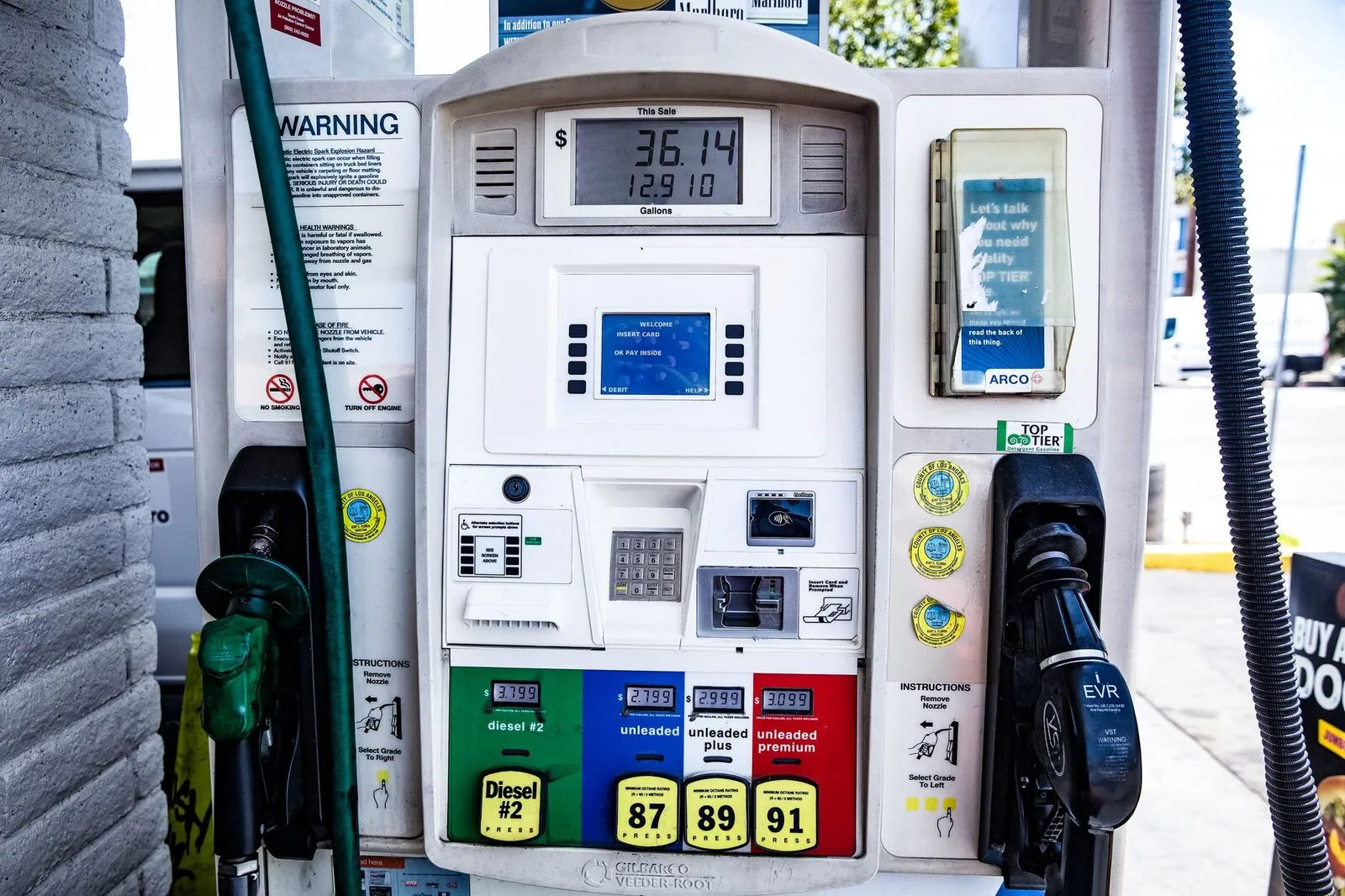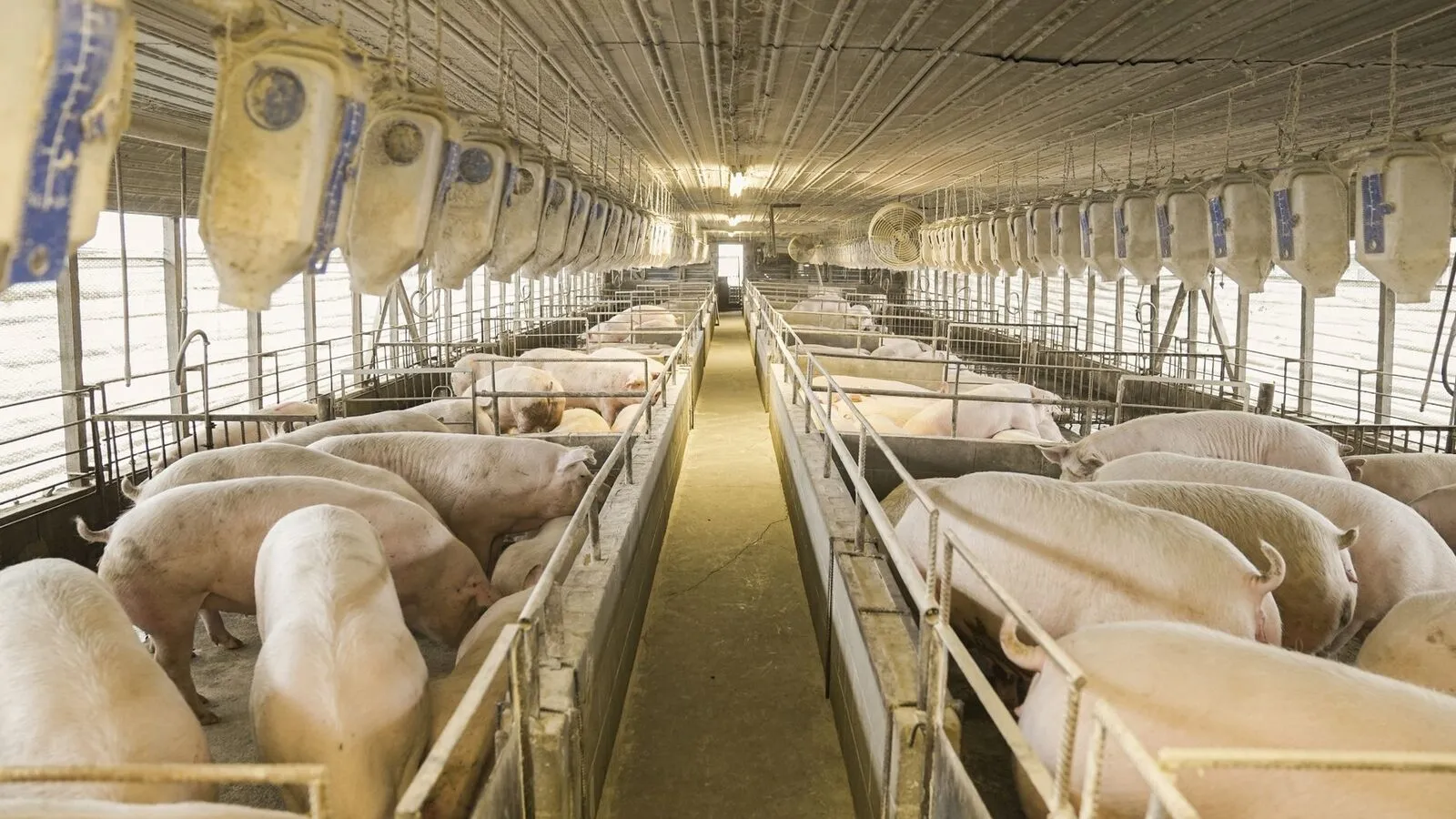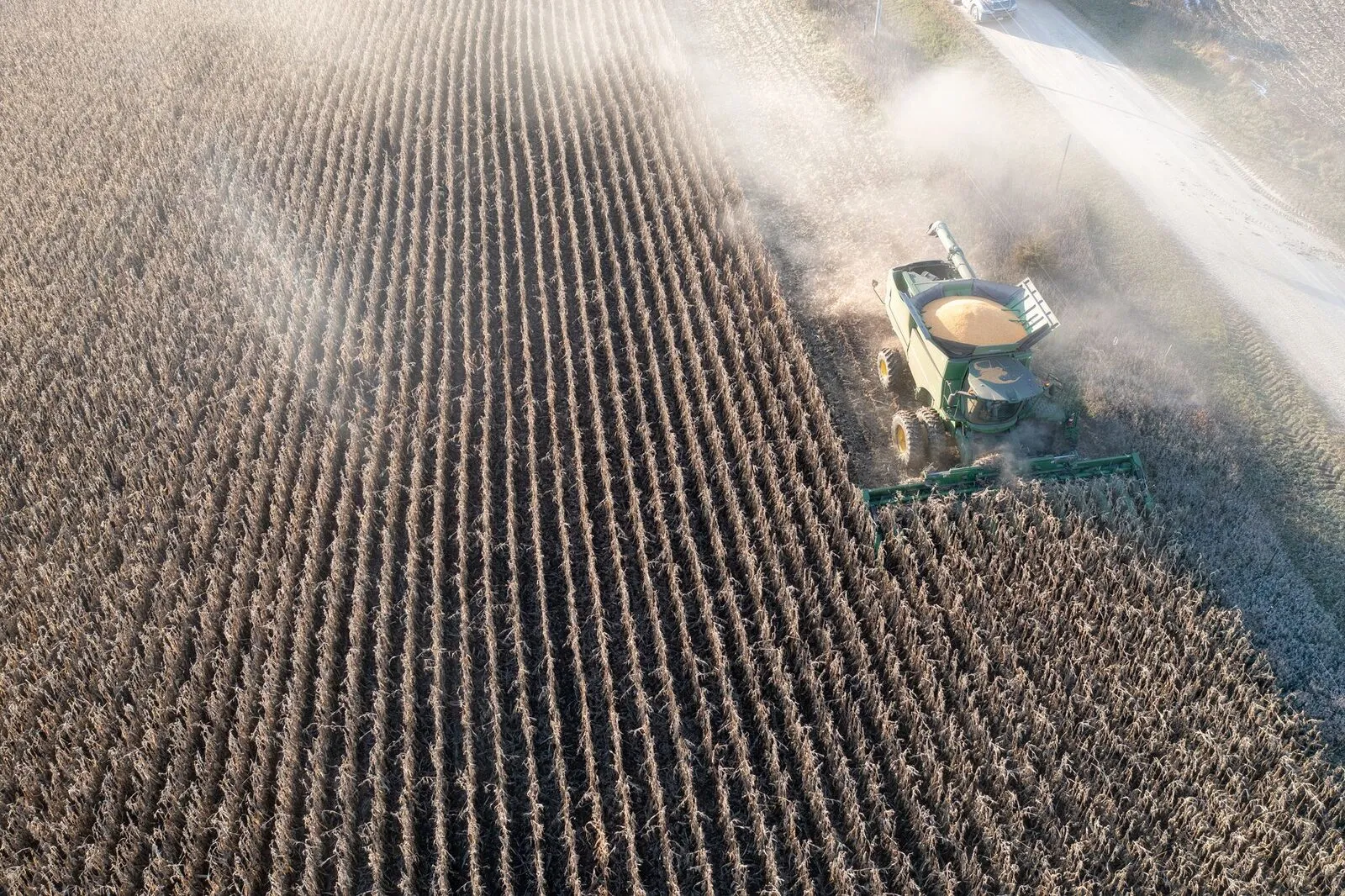
The American farm is failing in real time. Farm bankruptcies jumped 46% in 2025 as debt loads and costs spiraled, and the crisis has only accelerated into 2026. In April alone, 62 Chapter 12 bankruptcies were filed—a 130% jump from April 2025 and the highest monthly total since February 2020.
The numbers are stark. The USDA projects that total farm debt will rise 5.2% to a record $624.7 billion in 2026, with 330 bankruptcy cases filed. That’s not a weather event or a single bad crop. That’s the systematic hollowing of America’s family farm economy.
This isn’t a Midwest-only problem. In the Midwest specifically, family farm bankruptcies surged 70% between 2024 and 2025. Illinois saw bankruptcies rise for the third straight year, with state filings marking “a real farm crisis,” according to reporting from NPR Illinois.
The drivers are relentless. Input costs continue to climb while commodity prices stagnate, squeezing margins to nothing. Farmers borrowed heavily in better years, betting on stable prices and manageable interest rates. Neither materialized. Instead, they got a multi-year downturn: eroding profitability, escalating production costs, and leverage they can’t escape.
The debt burden itself is becoming a trap. Interest expenses are forecast to reach a record $33 billion in 2026 across the farm economy—money that vanishes before a seed is planted or a harvest gathered. Operating loan volumes rose sharply in 2025, and the average farm operating loan increased by 30% from the year before, as farmers took on more credit as production costs rose and cash on hand tightened.
The math is simple and brutal: when the cost of borrowing eats deeper than the profit of farming, Chapter 12 becomes the only honest option.
This happens at a moment when farmers are already squeezed from every direction. Right-to-repair restrictions have locked farmers into captive equipment service markets, forcing them to absorb repair costs that a competitive market would have whittled down. Seed, fertilizer, and chemical markets are concentrated in the hands of a few giants who can dictate prices. Even the USDA’s own reorganization signals what everyone already knows: agriculture policy hasn’t caught up to the reality of a sector in distress.
The bankruptcies hitting hardest are the smallest operations—the farms that actually feed communities and employ rural workers. These are farms that operate on thin margins to begin with, have fewer assets to liquidate, and have less leverage to negotiate with banks and input suppliers. When they fold, they take rural economies with them.
The forecast for 2026 predicts net farm income will dip to $153.4 billion, continuing the compression that has defined the past three years. The farm economy isn’t in a downturn. It’s in a structural crisis, and the bankruptcies are the signal that the system is breaking under the weight of monopoly pricing, consolidation, and debt designed to benefit everyone except the people who actually grow the food.
Without intervention—real intervention on debt relief, consolidation, and input costs—the next chapter won’t be titled “farm crisis.” It’ll be titled “the end of the family farm.”