The Squeeze Gets Tighter
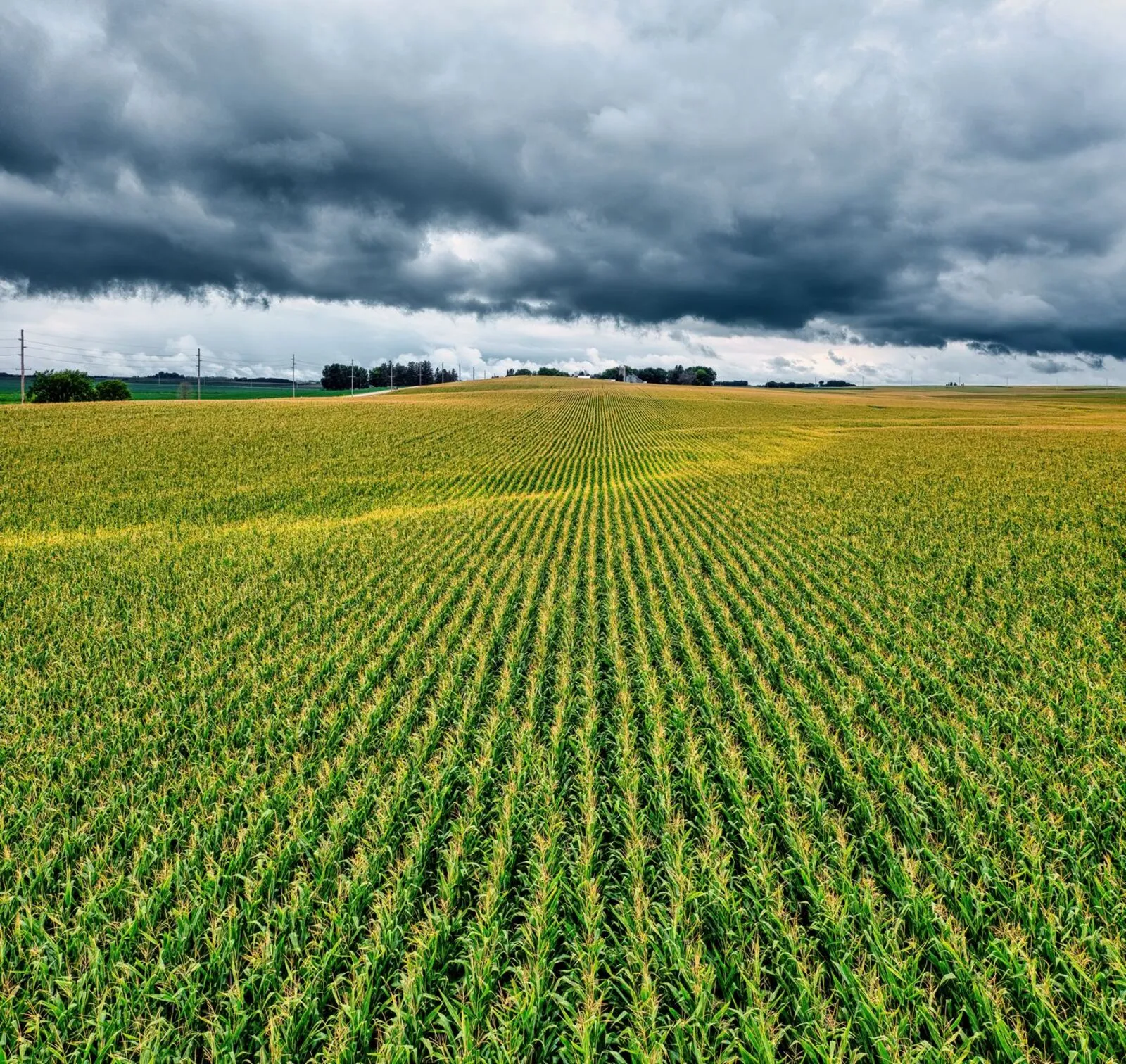
A cascade of weather disasters is hitting Midwestern farmers where it hurts most: their balance sheets. Frost, flooding, and planting delays are ravaging crops across Ohio, the Northeast, and beyond, with Ohio facing “devastating wheat losses” and planting pushed back across the region. For farmers already underwater on debt, each weather event is another pressure point—and another step toward the exit.
This isn’t abstract climate change. It’s immediate economic crisis. A delayed harvest means delayed revenue. Crop losses mean revenue that won’t materialize at all. And when farmers can’t hit their yield targets, they face a brutal calculus: borrow more to cover input costs for next season, or sell land.
Farmers are already drowning in debt. Chapter 12 bankruptcies spiked to their highest level since 2020 this spring, driven by a familiar pattern: commodity prices that don’t cover input costs, debt loads that grow faster than revenue, and no safety net when yields fall short.
Weather as a Debt Accelerant
Here’s how the trap works. A farmer borrows to buy seed, fuel, fertilizer, and equipment. That debt comes due in fall, after harvest. But frost kills the wheat. Floods wash out the corn. The harvest is half what it should be, but the debt bill is still due. So the farmer borrows again to cover the gap.
This cycle is now playing out at scale across the Midwest. It’s not sustainable. And consolidators—private equity funds, corporate agricultural giants, foreign investors—know it. Every weather disaster that wipes out a crop is another family farm asset that’s suddenly available.
Wall Street capital has been aggressively rolling up farmland, often targeting distressed farms. When a family farm is forced to the auction block, industrial operators move in. The pattern is predictable because it’s profitable.
The Structural Bind
The problem isn’t just weather—it’s that farmers have no structural protection against it. Input costs are set by monopolies. Commodity prices are set by global markets. Weather is set by the climate. But debt is personal: the farmer signs the note.
Fertilizer monopolies mean input costs stay high regardless of conditions, squeezing margins from both ends. A farmer facing crop loss can’t negotiate down the price of seeds for replanting. That cost is fixed. But the revenue that covers it just evaporated.
Some farmers are building resilience through regenerative practices that improve soil water retention and overall crop health—a critical hedge against drought and flood. But most farmers don’t have the capital or time to transition. They’re too busy servicing debt to banks, dealers, and input suppliers.
What Happens Next
If this pattern holds, expect more bankruptcies and more land sales to corporate buyers. Weather volatility is only increasing as the climate destabilizes. And every farmer who’s forced to sell is one less family farm, one more parcel under corporate control.
Solving this requires policy: debt relief for family farms hit by disasters, antitrust enforcement against monopoly suppliers, and meaningful support for climate-adapted farming. Instead, we’re watching the same cycle repeat: farmer borrows, weather hits, farmer loses land.
The Midwest isn’t just facing a crop crisis. It’s facing a crisis of ownership. And the consolidators are counting on the rain.