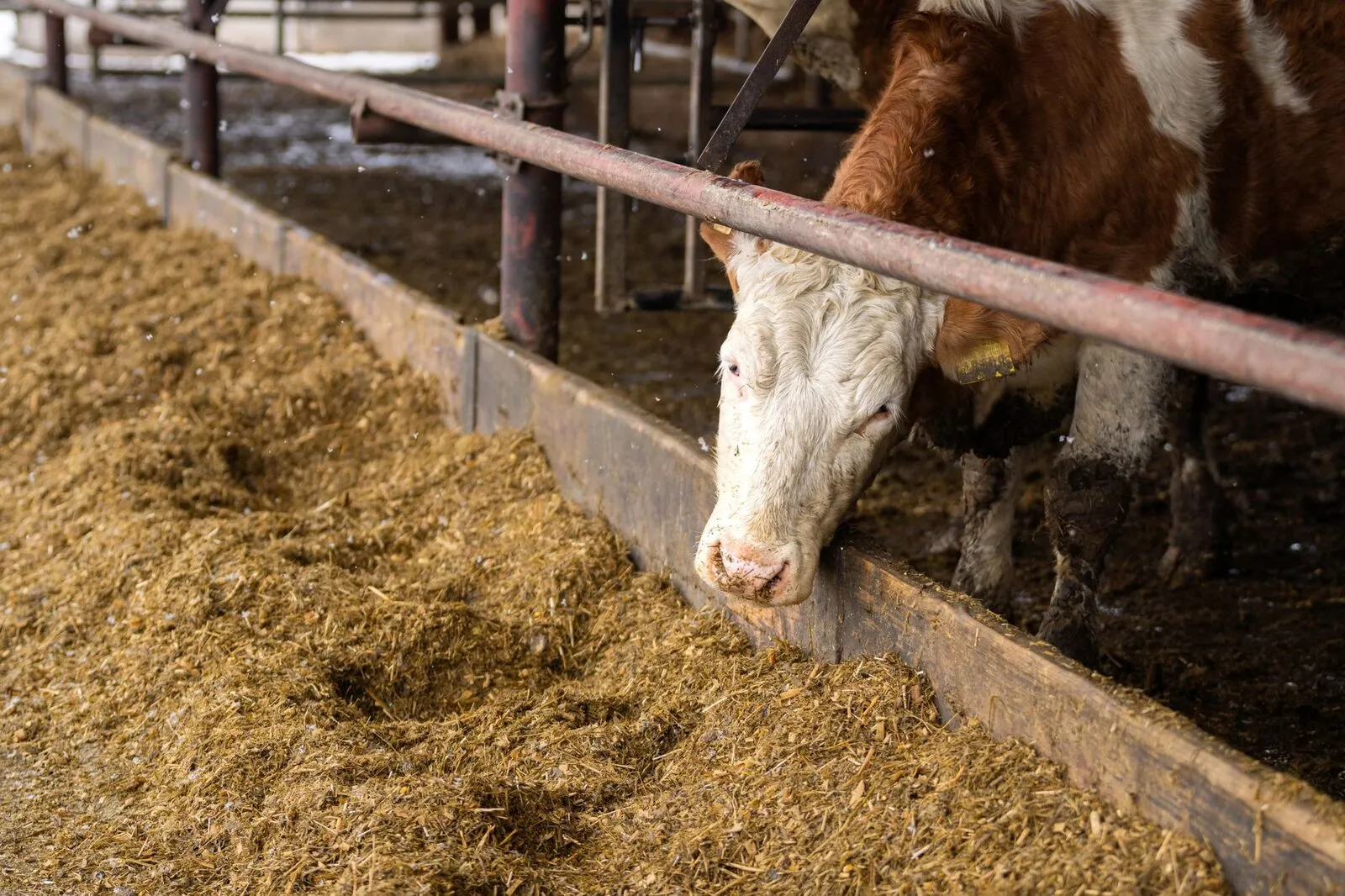
The cattle shortage is real, beef prices are at record highs, and the industry has found a way to squeeze more animals out of the system. The catch is where those animals come from. According to a new Investigate Midwest report, more and more of them are born on dairy farms, not ranches, and independent ranchers say that shift could hollow out the part of the business that keeps rural towns alive.
What beef-on-dairy is
Beef-on-dairy is a breeding practice. Instead of breeding every cow for milk, dairy farmers inseminate selected cows, typically Holsteins, with semen from beef bulls such as Angus. The calves are raised for beef. Investigate Midwest notes the practice is not new, but genetic selection has significantly improved the quantity and quality of beef these crossbred calves can yield.
The growth has been steep. Investigate Midwest cites industry estimates that beef-on-dairy calf production went from 50,000 head in 2014 to 3.22 million in 2024. For now, the report says, the practice is helping ease the historic cattle shortage that is pushing beef prices up.
The shortage behind it
Years of drought have battered the shortgrass prairie and Sandhills of western Nebraska so badly, per the report, that the land is struggling to feed all of its cattle. A developing El Niño is bringing some relief, but drought persists in parts of the region. That is the pressure squeezing cow-calf operations, the ranches that raise calves on grass before they head to feedlots.
If you want the wider picture of how thin margins and tight supply are hitting producers, our reporting on farmers struggling with debt as marketing challenges persist and on cotton growers carrying heavy debt in 2026 covers the same squeeze on other crops. The broader beat lives on our crushed by debt page.
A feedlot built on dairy calves
The report’s centerpiece is Blackshirt Feeders, under construction near Nebraska’s borders with Colorado and Kansas. Founded by three veterinarians and other investors, it began operating in 2024 and keeps expanding. Once finished, Investigate Midwest reports, it could house up to 200,000 cattle from anywhere in the country, making it the largest feedlot in the U.S.
The reported footprint is large. Annually, the facility would draw more than 1.5 billion gallons of water from the Ogallala Aquifer, which is facing record-low levels, and generate manure equivalent in weight to roughly 1 million pickup trucks. Local residents have tried unsuccessfully to stop the project. And almost all of Blackshirt’s cattle are beef-on-dairy.
What ranchers are worried about
Bill Bullard, CEO of R-CALF USA, an organization of independent ranchers, told Investigate Midwest: “This is a tremendous danger to the industry.” He added that it “threatens the independence of U.S. producers, and it is going to further erode rural areas that are dependent on a vibrant and widely dispersed cow-calf sector.”
That is the core argument. Beef-on-dairy is not a villain on its own terms, and it is helping fill a gap right now. The fear is structural: if the beef supply increasingly runs through industrial dairy operations and giant feedlots, the independent rancher who raises calves on grass becomes less necessary, and the towns built around those ranches lose their footing.
Why this matters for farm finances
Record beef prices sound like good news for anyone with cattle. But the gains do not automatically reach a rancher dealing with drought, high costs and a shrinking herd. The report frames the dairy pipeline as a source of supply that does not depend on ranchers rebuilding their herds, which is exactly what worries R-CALF.
It also lands as federal support capacity is under strain. We reported earlier today that a fifth of USDA staff are gone, and farmers are feeling it at FSA and NASS, the same agencies producers lean on for credit and data.
What we do not know yet
The Investigate Midwest piece is the second in a three-part series on how the cattle shortage is reshaping the industry. The series also examines the FDA’s approval of the drug Experior and the practice of pushing cattle to heavier weights with longer feeding periods. We have not independently verified the production estimates, which the report attributes to industry sources, and the full text of the report was not available to us beyond the portions cited here.
What is clear is the direction. Beef production is being reorganized around a handful of very large operations, and the people who have long raised cattle on open range are asking whether there is a place for them in it. Watch how that debate plays out as the rest of the series lands, and as drought and herd rebuilding decide how long the shortage lasts.


