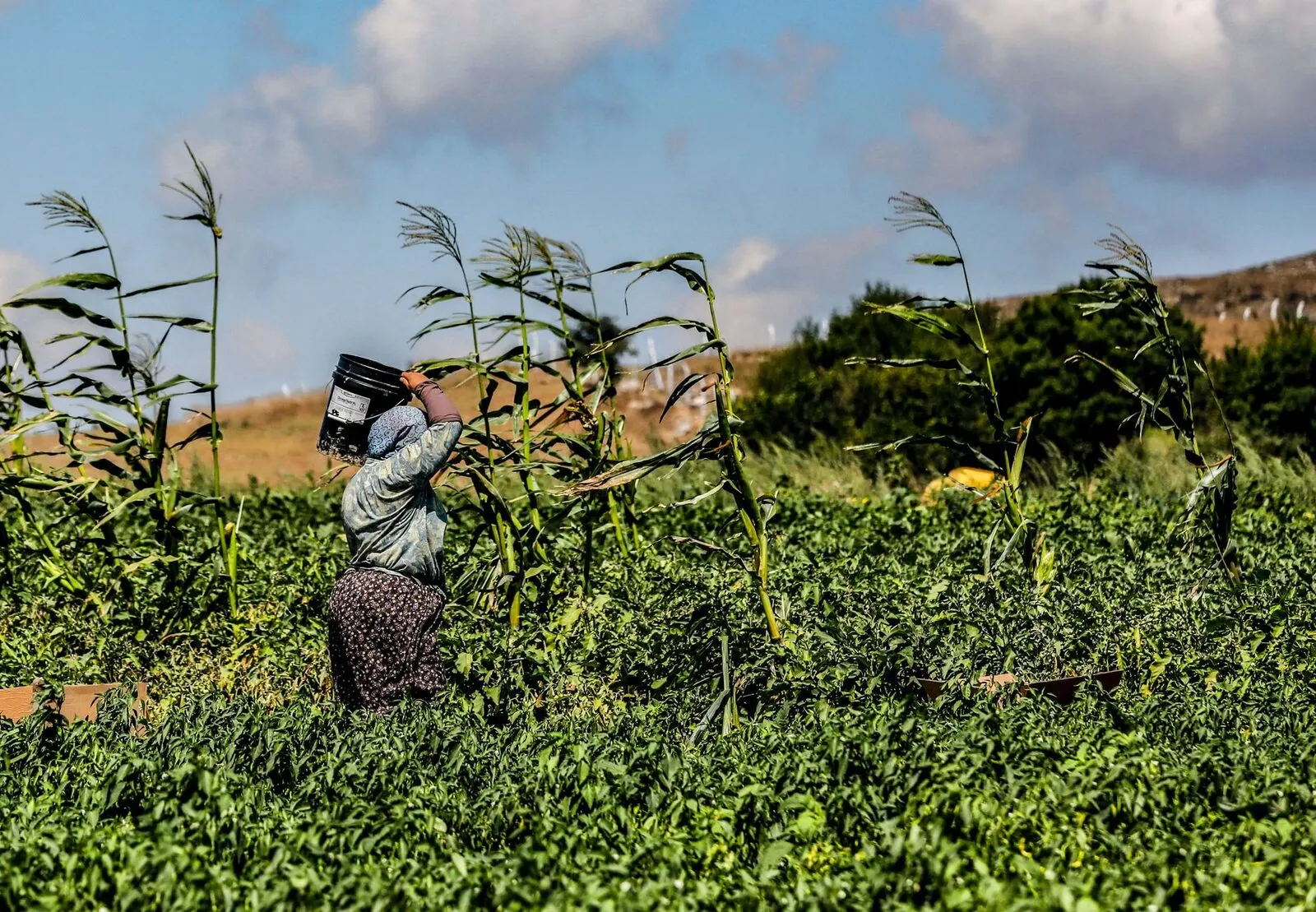
Legal experts are urging Pennsylvania farmers to prepare emergency strategies as immigration enforcement intensifies across agricultural regions. The enforcement wave represents a shift in ICE focus toward rural communities that depend heavily on immigrant labor, and the timing is critical as farms head into the final harvest weeks of October.
Pennsylvania agriculture relies on thousands of workers on H-2A temporary visas and immigrant workers to complete seasonal labor. The state’s dairy operations, vegetable farms, and fruit orchards are particularly dependent on this workforce. For growers without documented legal preparedness, the costs of enforcement action—production loss, worker absence, legal fees—could be severe.
According to reporting on the Pennsylvania raids, legal experts are advising farms to review workplace compliance now, not after federal agents arrive. The most common vulnerabilities are incomplete or inaccurate I-9 documentation, missing employment eligibility verification, and gaps in H-2A recruitment compliance.
Immediate steps for farmers
Agricultural employers should take three concrete actions. First: conduct an audit of I-9 forms and employment records for accuracy and completeness. Any mismatch between worker documentation and farm records creates liability.
Second: establish a clear workplace policy for any federal enforcement action. This includes designating a single point of contact for agents, securing all employment documentation in one location, and having legal counsel on speed dial.
Third: review H-2A recruitment compliance. The U.S. Department of Labor requires farms to prove they recruited American workers before hiring H-2A visa holders. Housing, wage rates, and working conditions must also meet federal standards. Enforcement gaps in these areas have invited federal scrutiny.
The mounting labor squeeze
The Pennsylvania enforcement occurs amid deepening farmworker scarcity across American agriculture. Fewer American workers are entering agricultural jobs, and immigration restrictions have narrowed legal pathways. Growers are caught between rising labor costs, compliance expenses, and workforce unavailability.
Farm organizations including the National Farmers Union have called for H-2A program expansion and clearer legal pathways for agricultural workers. Some growers have also invested in production innovations to reduce labor dependency.
Related coverage
The farmworker shortage ties directly to broader agricultural economic pressures. Diesel relief has fallen short for farmers facing October harvests, and according to recent reporting, farmer sentiment continues to slide as input costs squeeze profits. Labor enforcement adds yet another layer of risk to an already stressed production calendar.
The broader pattern is clear: farms face compounding costs from equipment, fuel, and inputs, with dwindling access to reliable labor. For Pennsylvania’s farms specifically, the path forward is to document your workforce now, know the law, and secure legal counsel before October enforcement actions reach your operation.