A 45-minute Colorado 911 call tells a story that doesn’t make headlines the way contaminated lettuce does. According to Civil Eats, emergency responders arrived at an agricultural operation to find workers unconscious 12 feet deep in a pit, with dangerous gases creating a hazard so severe that EMTs couldn’t approach to rescue them.
The incident is the mirror image of our food-safety obsession: we inspect produce for pathogens, trace contamination back to source farms, and hold companies liable for foodborne illness. But a worker collapsed in a pit? That’s a workplace issue, filed away in industry records nobody sees.
The Safety Gap
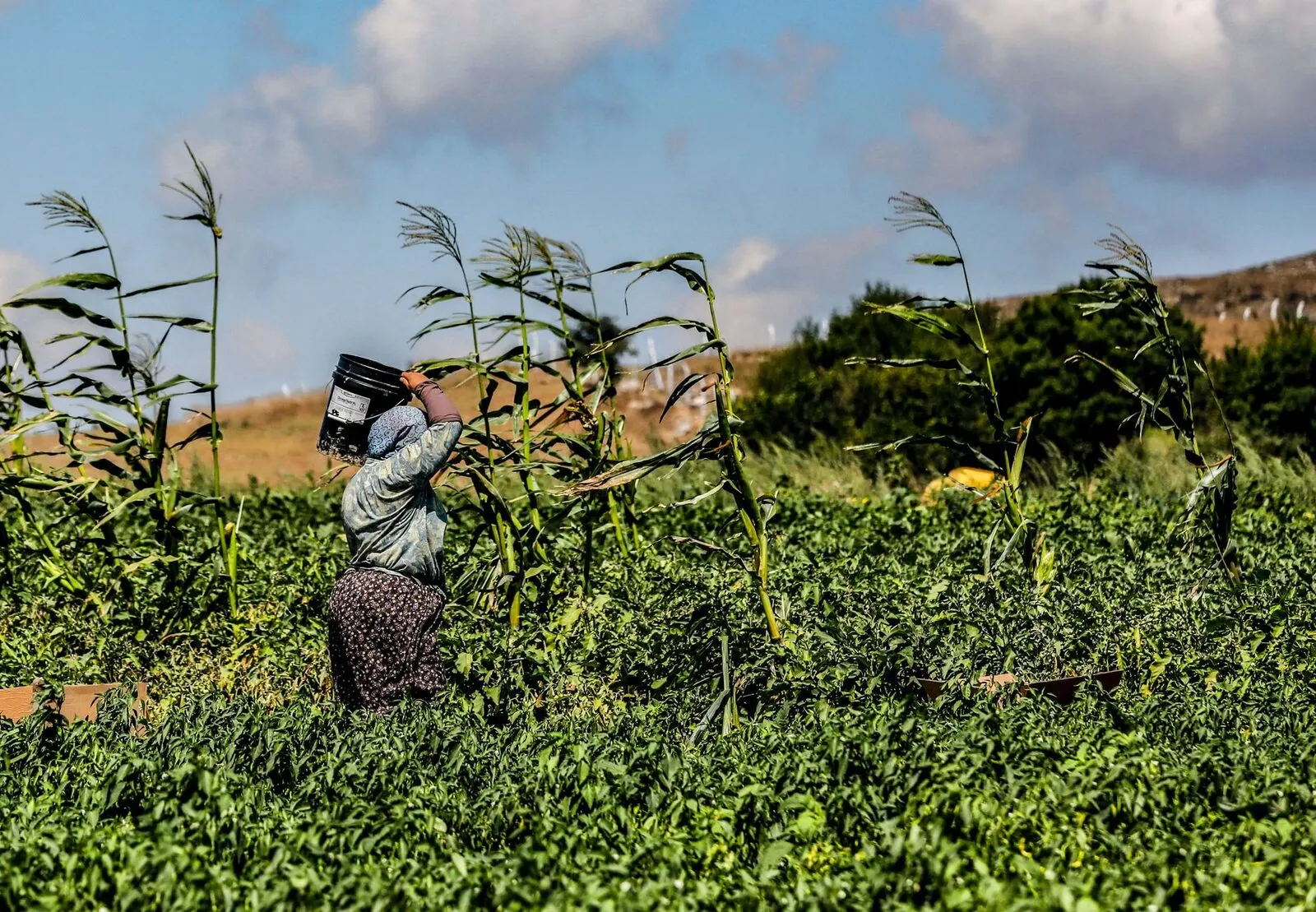
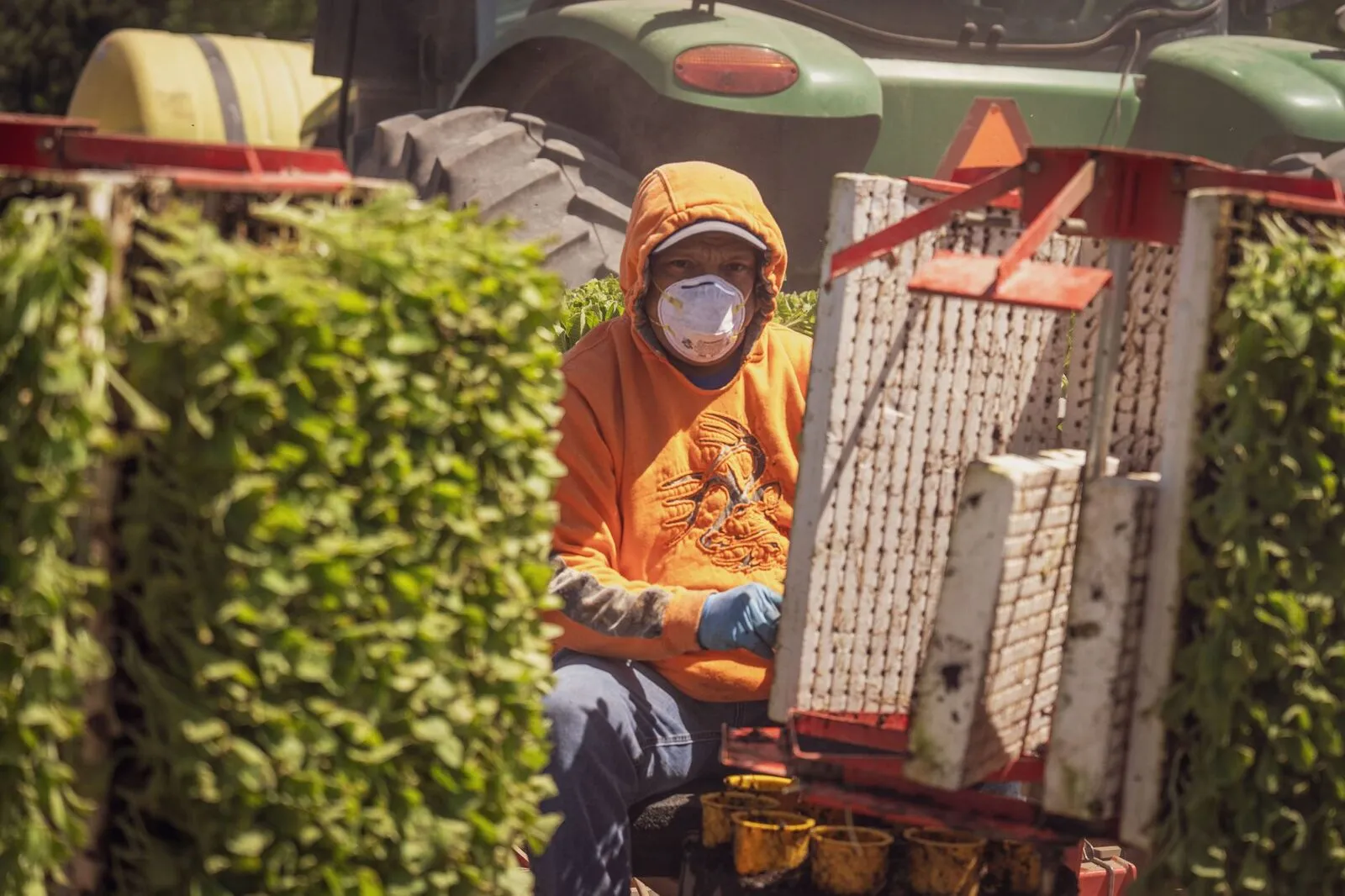
Agriculture has one of the highest injury and fatality rates of any industry. Farmworkers—who make up roughly 10 percent of the U.S. working population—account for a much larger share of workplace deaths and serious injuries. They’re exposed to pesticides, heavy equipment, extreme heat, and hazards like the one in Colorado with minimal oversight.
Recent reporting shows how agricultural consolidation has squeezed wages and working standards at every level, making it harder for workers to demand safer conditions or time to recover when injured. Large consolidators can absorb the cost of workplace injuries and legal settlements. Individual workers cannot.
The reason is structural. Farmworkers are often classified as independent contractors, making them ineligible for workers’ compensation or OSHA protections that cover other industries. Many are undocumented or isolated in rural areas far from regulatory oversight. The pressure to work through illness or injury isn’t just cultural—it’s economic. As earlier coverage of the cyclospora outbreak showed, a day without work is a day without rent.
Who’s Actually Accountable?
Big Ag frames worker protection as a labor-law issue, which is true—but incomplete. When food companies sued to block health-safety regulations earlier this month, they were arguing for lighter oversight. The same consolidation playbook applies to worker conditions: lower costs, higher margins, risk transferred to the workforce.
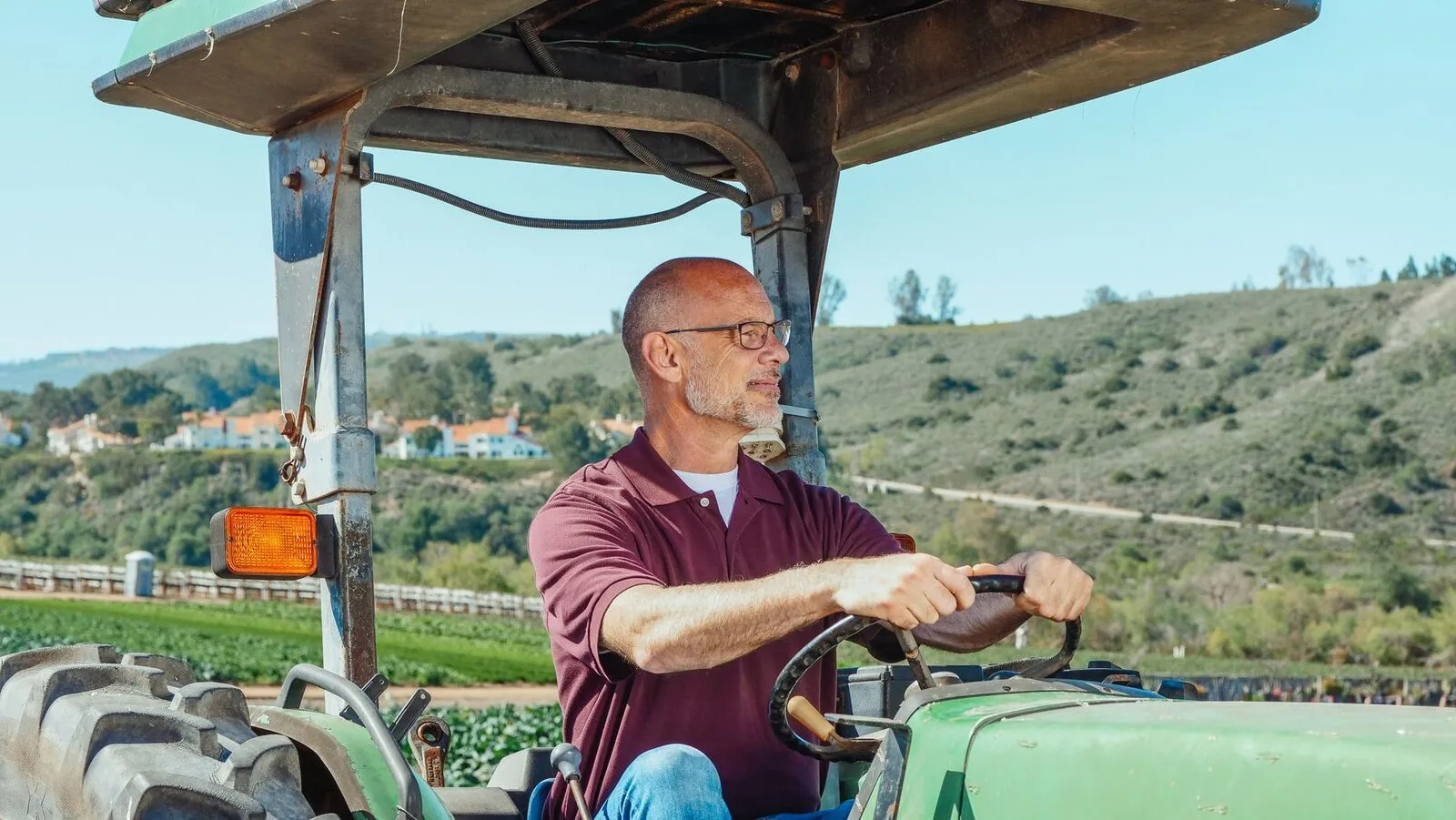
The Colorado pit incident happened at a farm. The liability sits with the farm. But farms operate within consolidation chains—contracts with processors, integrators, distributors—where price pressure flows downward and risk follows upward to the worker. A worker hurt on a contract farm can’t sue the multinational that set the terms of the work; they can sue the farm that technically employed them.
The Pattern
This isn’t an outlier. Agricultural injury data has been climbing as consolidation tightens. Heat-related deaths are rising with climate stress. Pesticide exposure remains inadequately monitored. Housing conditions for agricultural workers—crowded, substandard, often unsafe—are rarely addressed in food-safety audits.
USDA conservation programs have finally started funding regenerative transitions that can actually improve working conditions—but those programs are now under threat from Congress. And tariff policy that supposedly protects farmers often benefits consolidators over small operations and workers.
Worker protections aren’t separate from the fight for farmland and farm independence. They’re core to it. A consolidation-driven food system doesn’t just squeeze farmer margins—it treats workers as disposable.
The 911 call is the detail that matters: workers in a pit, gas exposure, emergency personnel unable to help. Food safety means nothing if the people who grow it aren’t safe enough to work.