The U.S. Department of Agriculture announced on July 8 that it’s expanding crop insurance options for forage producers in 12 states — a modest but meaningful step to shield hay and pasture growers from the financial whipsaw of weather and market collapse.
Starting with the 2027 crop year, eligible farmers in California, Idaho, Iowa, Michigan, Minnesota, Montana, Nebraska, North Dakota, Pennsylvania, South Dakota, Washington, and Wisconsin can enroll in new revenue protection coverage that guards against both yield loss and price swings.
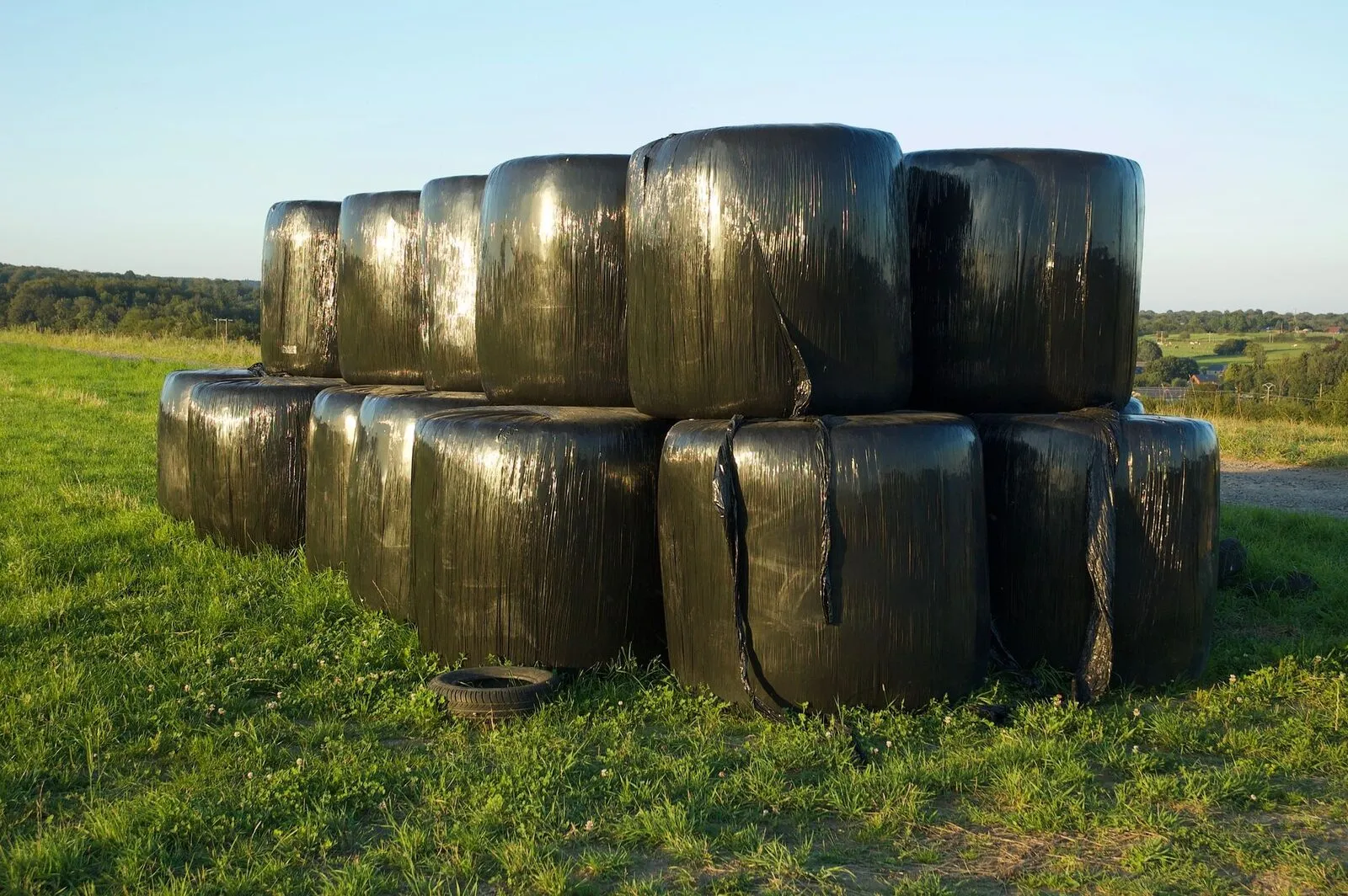
Here’s why it matters: forage — hay, alfalfa, pasture — is the backbone of livestock production. It’s what dairy herds, beef cattle, and sheep eat. But forage growers have historically been treated as an afterthought in federal risk management. While commodity crop farmers (corn, soybeans, wheat) got sophisticated revenue and yield insurance decades ago, hay growers were left with limited, basic coverage that didn’t account for price volatility or market shocks.
The Coverage Gap
The old system relied on Actual Production History (APH) insurance, which covers yield loss only — a drought hits, you get paid for the lost tonnage. But forage markets don’t work that way. A bumper crop of hay can crash prices if the market floods with supply. A buyer-driven shortage can spike prices when you’ve already committed tonnage at a contract rate. A hay farmer could lose money on both ends without protection.
The new revenue protection options cover farmers when either yields drop or prices fall — or both. The USDA is offering Yield Protection, Revenue Protection, and Revenue Protection with a Harvest Price Exclusion, giving producers flexibility to pick the safety net that fits their operation.
The Limit: Only 12 States, and Only Cattle/Dairy Counties
This expansion only applies to 12 states and only in specific forage-producing counties where cattle and dairy are concentrated. Hay growers in other states and regions stay locked into the basic coverage. For a sector that spans the country — forage is produced in all 50 states — this is real progress, but it’s also a reminder of federal policy triage. Corn gets national coverage. Forage gets a regional pilot.
The deadline to enroll is September 30, 2027, which gives producers the off-season to talk to crop insurance agents.
Context: Why This Matters Now
Forage growers are feeling the same debt squeeze and margin compression hitting all of agriculture. Farm debt is climbing to record levels, with total farm obligations now approaching $625 billion, and interest expenses eating deeper into already-thin margins. For dairy farmers especially, feed costs are a knife’s edge — buy hay at the wrong price, and your profitability vanishes.
Livestock prices have been sending distress signals, with cattle markets under heavy pressure and ranchers offloading herds, which cascades pressure back to forage producers. When ranchers and dairies are forced to reduce herd size or tighten spending, they’re buying less hay. When global supply shocks hit (war, weather, trade disruption), hay prices swing violently.
Revenue protection insurance can’t solve the underlying structural problem — commodity-scale agriculture with compressed margins and rising input costs — but it can provide a financial shock absorber for the years when luck runs out.
The Broader Signal
This expansion arrives alongside the USDA’s Conservation Reserve Program enrollment surge, which is paying farmers to idle marginal acres and restore soil. Together, the message is: the USDA is trying to build a softer landing for farm finances, both through insurance and through paying farmers to exit the commodity grind where margins no longer exist.
But both programs depend on annual appropriations and political staying power. And both programs assume farmers have the bandwidth to navigate signup, paperwork, and bureaucracy — not guaranteed when you’re juggling debt burdens and succession stress.
For the forage growers in these 12 states, enrollment opens a door. For the rest of the country, it’s a reminder that federal farm support still runs on tiers, and hay — despite feeding the animals that feed the country — ranks well below the commodity crops in the policy pecking order.
Enrollment Deadline: September 30, 2027. Interested producers in eligible areas should contact a crop insurance agent or visit the USDA Risk Management Agency website.