When Bayer, Corteva, BASF, and ChemChina control more than 50% of the global seed market and two companies alone dominate 70% of US corn and soybean sales, farmers don’t choose their seeds—they license them. And the Department of Justice just filed court documents saying that’s the problem.
In May 2026, the DOJ stated plainly that patents on seeds are obstructing competition and research in agriculture. The filing marks a sharp reversal from years of regulatory hands-off—and echoes the fight farmers have been waging against John Deere and equipment giants over the right to repair, modify, and control their own tools.
This time, the battleground is genetics.
When Breeders Are Locked Out
The intellectual property system that rewards seed companies for innovation has become a wall. Four corporations control nearly 94% of US cottonseed sales, and when the genetic base for commodity crops is patented, independent breeders have almost nothing to work with. Plant breeders calling for genetic assessments of these crops—to identify vulnerabilities to emerging pests and diseases—have been stonewalled for years. No comprehensive genetic diversity studies exist because no one outside the dominant companies knows what’s in the vault.
That’s not innovation. That’s enclosure.
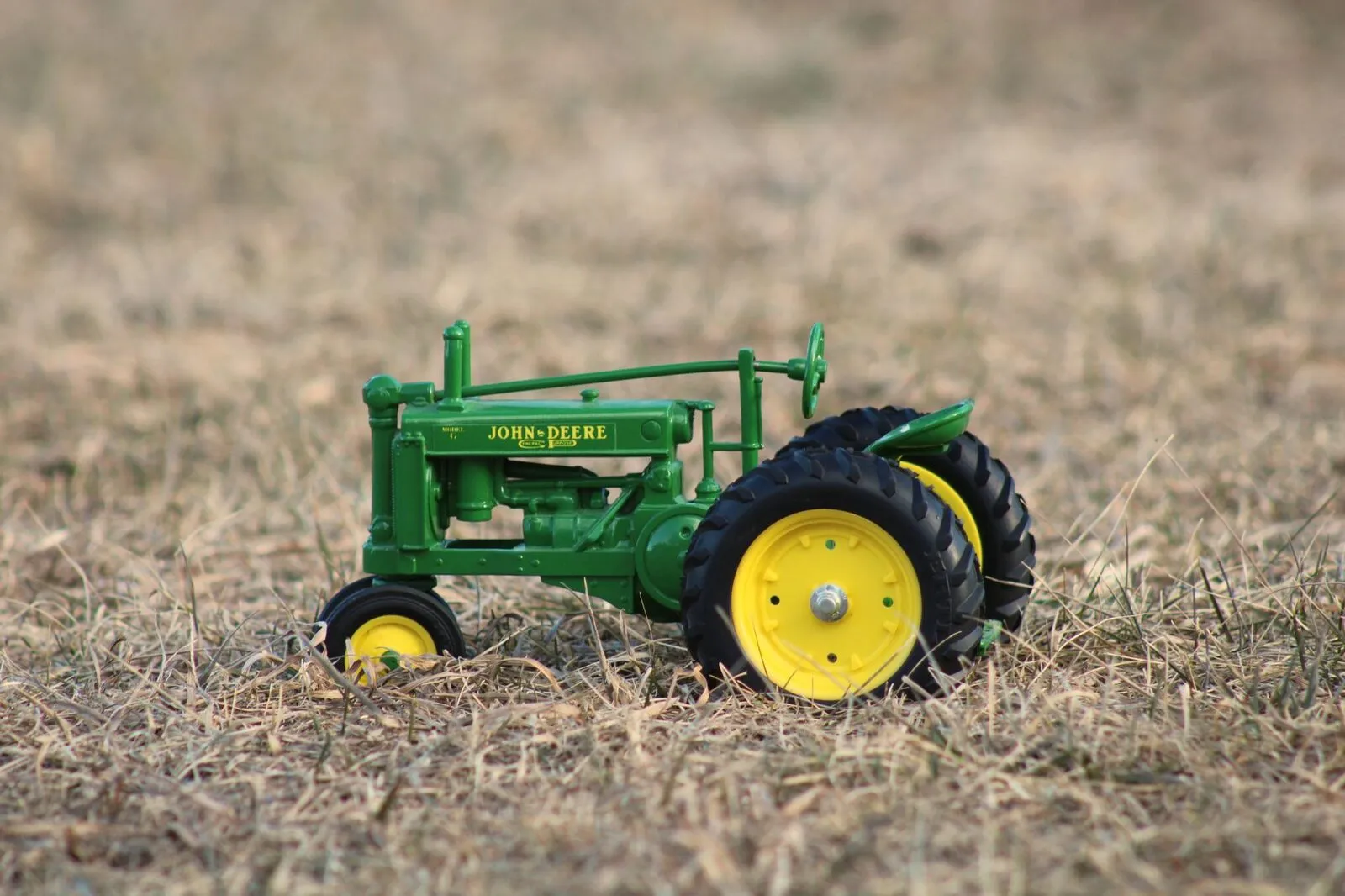
For farmers, the effect is identical to John Deere’s repair locks: they own the equipment but not the software, the tractor, or (increasingly) the seed. They can’t save seed and replant it—doing so violates license terms. They can’t breed for local conditions or drought resistance without licensing genetic material. They can’t pivot quickly when disease threatens because they’re locked into whatever the seed giants decide to sell that season.
Farmers and small breeders have called this out, and in May 2026 the DOJ took notice. The filing signals that the Biden-era antitrust focus on seed patents—which stalled under regulatory capture—is alive in some corners of government.
The Permanence Problem
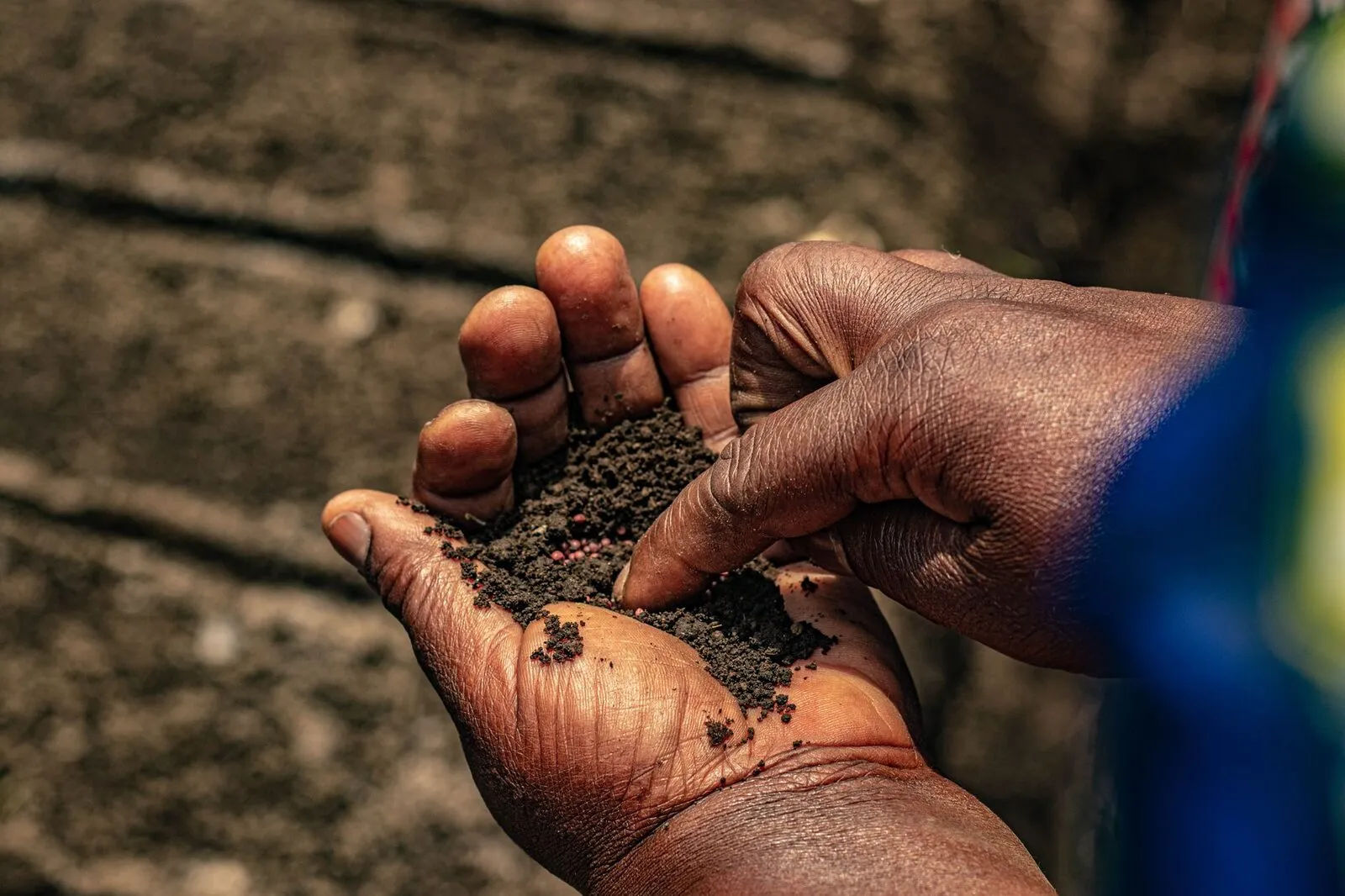
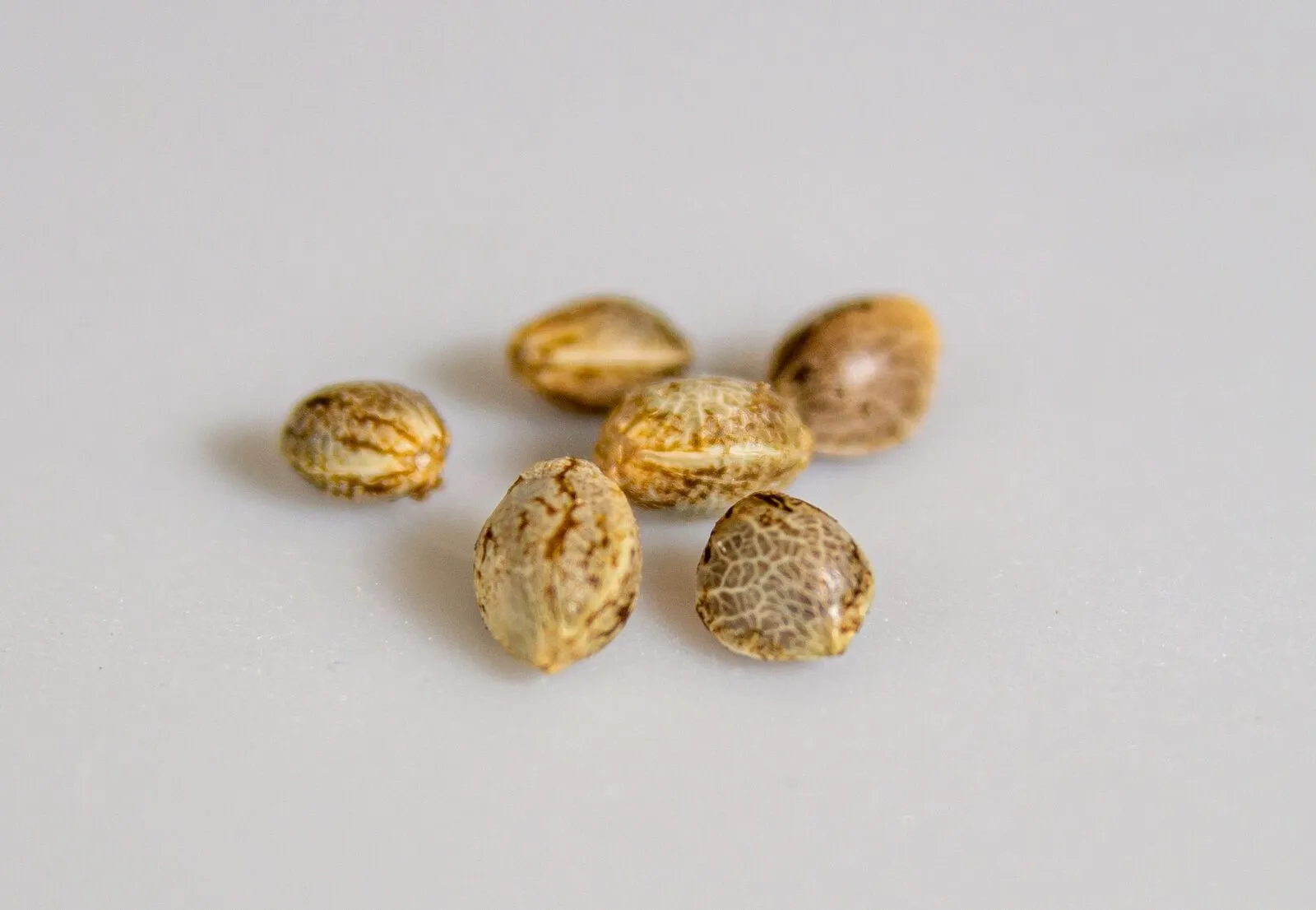
Unlike a tractor you can crack open, patented seeds are self-perpetuating monopolies. A farmer buying certified seed isn’t just buying a product for one season; they’re entering a contract that restricts how they can use their harvest. Most seed licenses prohibit saving seed for replanting, forcing farmers back to the catalog every year. Industrial agriculture depends on this treadmill: farmers pay seed companies annually, guaranteed, or face legal liability.
The system locks in profit margins for seed corporations and blocks the kind of farmer innovation that kept agriculture resilient for millennia. Farmers have always bred for their region, their soil, their climate. Patents make that customization legally risky.
Where This Intersects
The connection to right-to-repair is direct: both restrict farmers’ ability to control the tools they own. Equipment monopolies and seed monopolies operate differently but serve the same function—funneling farmer income to corporate headquarters. The John Deere settlement was a win on diagnostics and parts access, but seed access remains almost entirely locked down.
The DOJ’s May filing suggests pressure is building. Whether that translates into actual enforcement—antitrust cases, licensing restrictions, patent reforms—is an open question. The FTC has shown willingness to challenge agricultural consolidation, but seed patents have escaped scrutiny for decades.
Farmers shouldn’t have to choose between compliance and innovation. If the DOJ is serious about competition in agriculture, seed patents are the next battleground.
What to watch: Whether the DOJ moves from court filings to formal antitrust action against seed giants; whether Congress revisits patent law to protect farmer breeding rights; whether seed-saving advocacy groups push for legislation clarifying farmers’ right to replant.