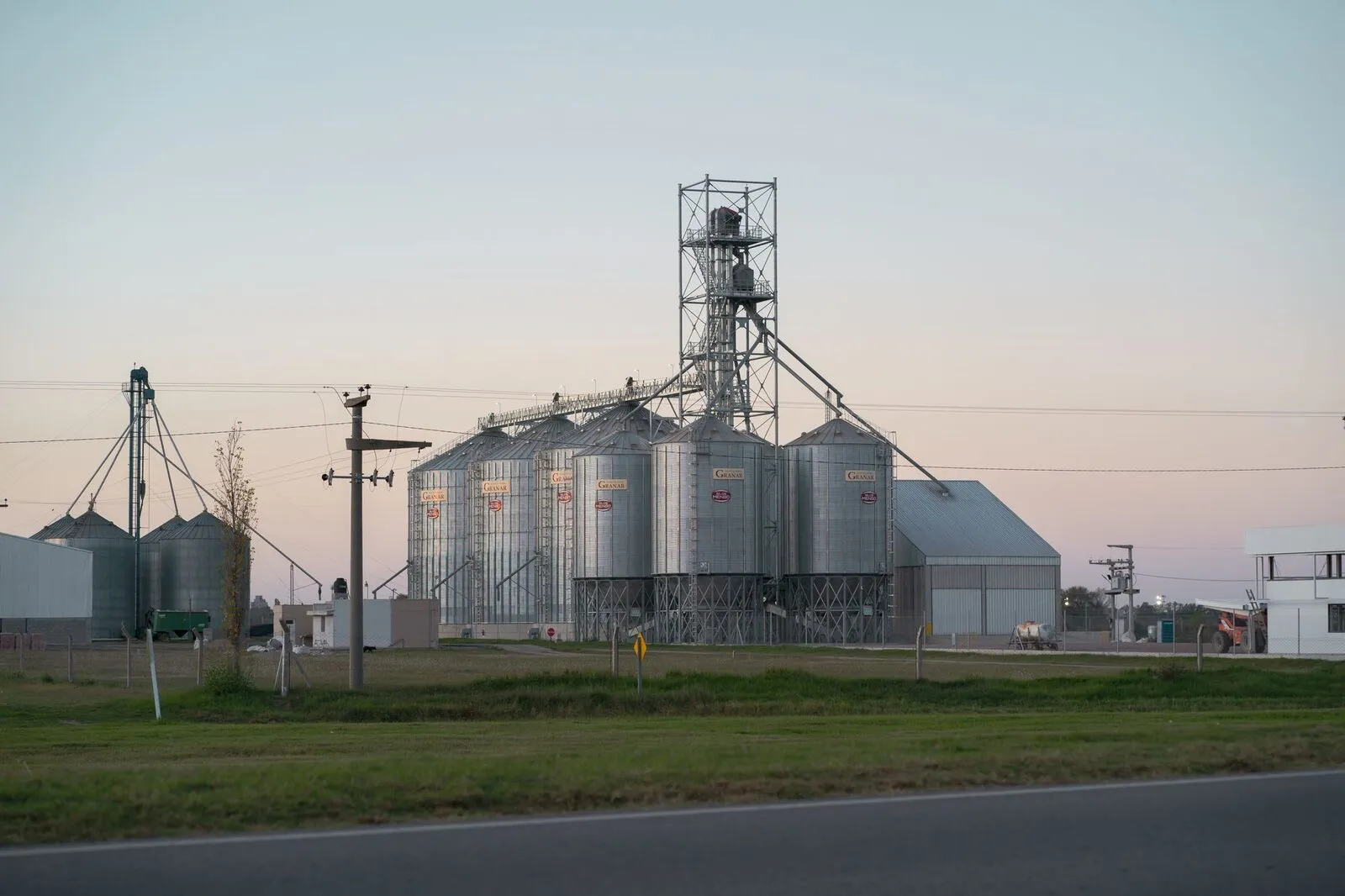
The fertilizer industry’s stranglehold on American farmers is finally loosening. On July 1, USDA Secretary Brooke L. Rollins announced the $500 million Fertilizer Investment & Expansion for Long-Term Domestic Supply (FIELDS) Program, a federal push to expand domestic production of nitrogen, phosphate, potash, sulfur, and other critical crop nutrients.
The scale of the crisis this addresses is stark. Fertilizer costs remain the second-largest expense on most farms after land, and over the past five years, input costs have climbed faster than commodity prices—compressing margins and driving the recent spike in farm bankruptcies. The fertilizer monopoly squeeze has been particularly vicious for operations dependent on global markets and vulnerable to supply-chain whiplash.
The FIELDS program cuts straight at the problem: it’s designed to fund “shovel-ready, financially viable projects” that increase domestic fertilizer manufacturing. The USDA will distribute awards ranging from $15 million to $150 million per project, with applications due August 15, 2026. Funding comes through the Commodity Credit Corporation and is administered by USDA Rural Development’s Rural Business-Cooperative Service.
What makes this different from past agricultural subsidies: it targets the supply side, not individual farmers’ balance sheets. By increasing domestic fertilizer production capacity, the program aims to reduce farmer dependence on volatile global markets and foreign suppliers—a particular concern as trade tensions rattle commodity chains. More production = more competition = lower prices at the farmgate.
The timing is strategic. Farmers planning 2027 operations are locking in input costs now. Each month of delay drains more cash from operations already leveraged to breaking point. A functioning domestic fertilizer sector won’t fix the debt crisis overnight, but it’s a direct response to one of its most treacherous drivers.
This sits alongside broader USDA moves to shore up supply resilience—part of the same economic logic that concentrated consolidation in beef processing has been steadily dismantling. The difference: this time the federal government is trying to decentralize production capacity rather than defend a broken status quo.
Farmers and rural businesses interested in applying should check Grants.gov or contact their regional USDA Rural Development office. The real test: whether domestic fertilizer makers see the subsidy as a genuine shot at competing, or as a one-time lift that leaves them still outmatched by foreign producers with lower labor costs. The next six months will tell.