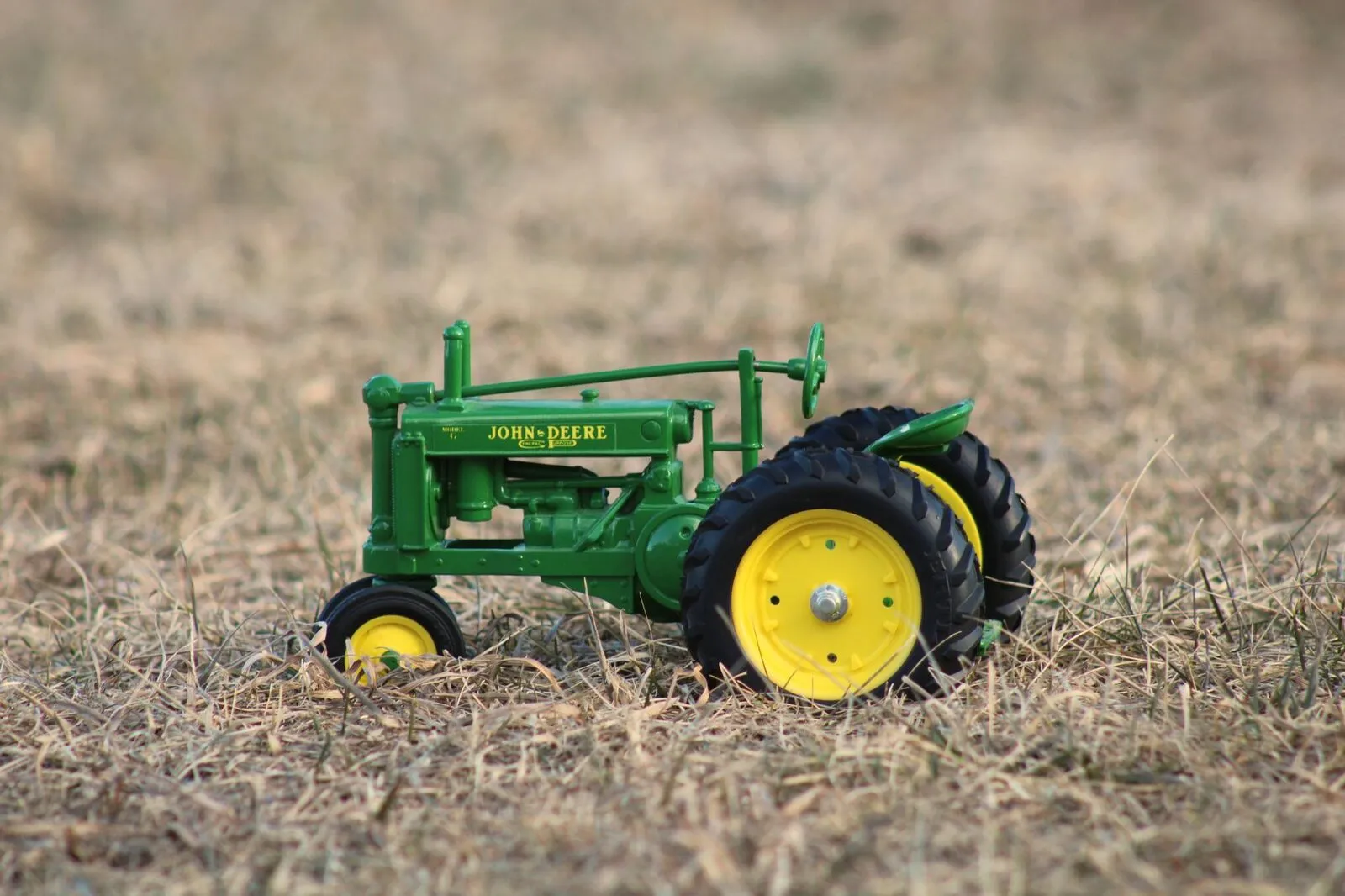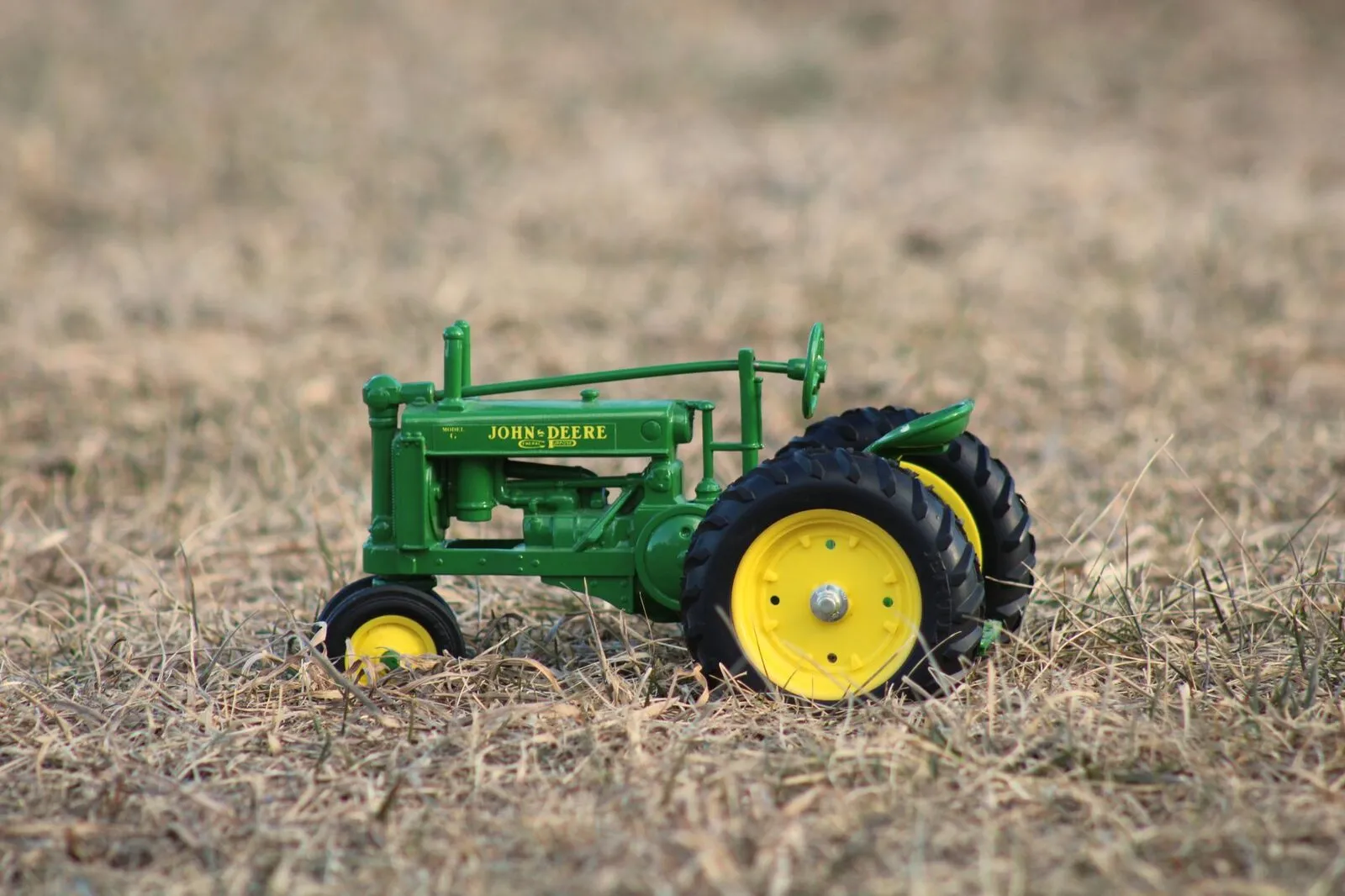
On July 8, the Federal Trade Commission secured what farmers have been fighting for since 2015: a binding settlement that forces John Deere to give them the repair tools Deere had been selling exclusively to authorized dealers.
The settlement — entered with Deere after a joint lawsuit by the FTC and attorneys general from Arizona, Illinois, Michigan, Minnesota, and Wisconsin — is the clearest antitrust win for the farmer-right-to-repair movement. It’s concrete. It’s enforceable for 10 years. And it cuts directly at the economic stranglehold that made Deere’s repair monopoly so profitable and so damaging to independent operators.
What Farmers Get
Under the FTC’s settlement, Deere must now provide farmers and independent repair shops with the same software, diagnostic tools, and technical documentation that it currently hands to authorized dealers. Specifically:
- Fault-code access: Farmers can now read, clear, and reset electronic fault codes on their own machines without calling a dealer.
- Software reprogramming: Independent shops can reprogram electronic components without Deere’s permission.
- Emissions diagnostics: Machines can be restarted after emissions-related shutdowns without dealer involvement.
- Technical manuals: Farmers and repair providers can view, search, and use Deere’s own troubleshooting documents.
This is not a small concession. Modern tractors are increasingly computerized. A breakdown that used to mean pulling out a wrench now means calling the dealer because the machine won’t communicate its own problem. That lock-in is how Deere charges $1,800 for a service call that an independent shop could do for $200.
Crushing an Old Monopoly
The lawsuit itself began in January 2025, but the fight goes back a decade. When farmers complained about Deere’s repair restrictions, Deere responded that they were protecting intellectual property. When farmers wanted to fix their own machines, they were told it violated the DMCA — the Digital Millennium Copyright Act, a tool originally designed to stop music piracy, now weaponized against people trying to repair things they own.
The company had already lost a separate class-action settlement in April 2026 for $99 million after farmers sued over the same restrictions. This FTC order is different: it’s not just compensation. It’s forced behavioral change backed by federal enforcement.
Why This Matters for the Wider Farm Economy
Equipment monopoly feeds debt. When a tractor breaks down during harvest and the nearest Deere dealer is 40 miles away, or when an emergency repair costs what a small operation makes in a week, farmers have no choice: they take on debt, or they go under. Deere’s repair monopoly has been a quiet but powerful driver of consolidation in agriculture. Smaller operations can’t absorb the repair costs. Larger ones can — another small advantage that tips the scale toward corporate-scale farming.
Consolidation in farm equipment has accelerated over the past five years. Deere’s market share in large tractors exceeds 80 percent. When a single company controls repair access for 80 percent of the machines that work American soil, that’s not a market. That’s a toll booth.
The FTC’s settlement doesn’t solve consolidation. But it removes one lever that Deere had been using to drive it.
The Catch: Enforcement
The agreement runs through 2036, supervised by the FTC and the five plaintiff states. That matters. Deere could comply immediately, or it could drag, comply unevenly, or find new ways to lock farmers out. History suggests caution: Deere has a pattern of fighting repair-access regulations in every state and country where they’ve been proposed.
The FTC will have to watch. Farmers and independent shops will have to push back if Deere finds loopholes.
What Comes Next
This is a scalable model. If antitrust enforcers can crack Deere’s monopoly on tractors, they can apply the same logic to AGCO, Case IH, and the seed-and-chemical giants (Bayer/Monsanto, Corteva, BASF) that have built similar walled gardens. Right-to-repair isn’t just a farmer issue anymore — it’s an antitrust issue. The FTC just proved it.
For the next decade, farmers in America will own their own machines again. That’s not a small thing.
Related coverage:
Colorado wheat abandoned as climate collapse hits Midwest
Farm succession and debt burden squeeze next generation
Deere settlement signals diagnostic access victory
USDA reorganization challenge compounds rural policy crisis