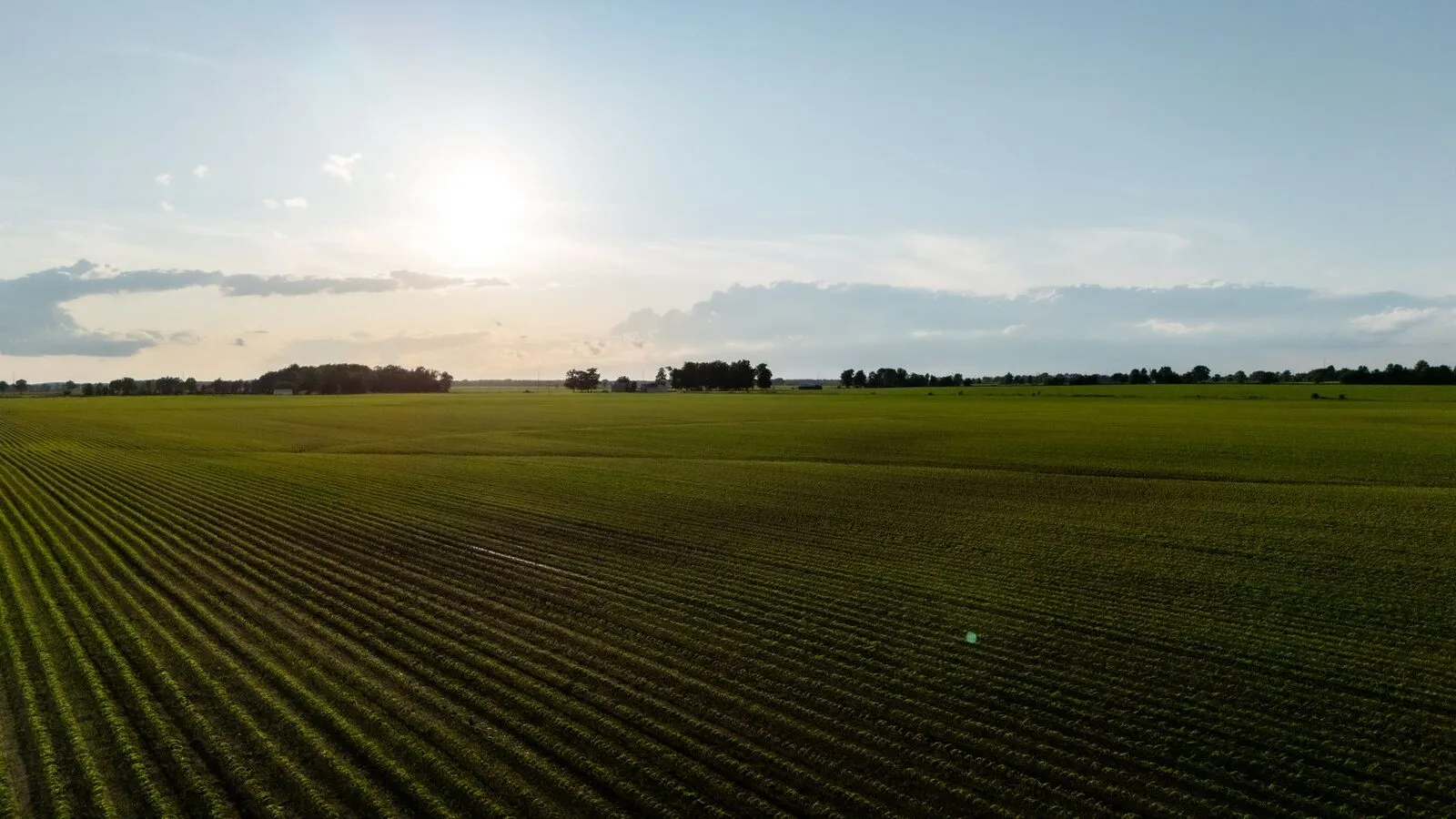
The math is unforgiving. Working farmers face input costs of roughly $900 per acre, while corn trades at a dismal $4.30 per bushel. Meanwhile, institutional investors—billionaires and Wall Street mega-funds—are snapping up prime cropland at record pace, treating Midwest dirt as the ultimate inflation hedge. Family farmers simply can’t compete.
Institutional investment in farmland has grown from under $2 billion in 2005 to more than $16 billion in 2025. The machinery is systematic. Corporate scouts use high-resolution satellite imagery and harvest data pulled from older John Deere and Case IH combines to identify ground with the best subsurface moisture and organic matter. They specifically target land over the declining Ogallala Aquifer that already features modern Valley center pivot irrigation systems, locking down water rights before local municipalities can restrict agricultural pumping.
What’s remarkable is the speed. While family farms bleed equity trying to float those crushing input costs, institutional cash buyers operate at a different scale. They hold long-term, they don’t need annual commodity profits, and they can weather commodity downturns that break family operations. The result: consolidation that looks less like a market and more like a fire sale.
The numbers tell the story. Nearly 15% of American cropland—44 million acres nationwide—is projected to change hands within the next three years, with the Midwest at the epicenter. Chapter 12 farm bankruptcies jumped 46% in 2025, and working farmers—especially small and mid-size operations—are being pushed off the land faster than they can refinance.
The squeeze on margins comes from both ends. Commodity prices have crashed while input costs remain locked in place by consolidated suppliers. A farmer borrowing at current rates faces record interest expenses. The rational exit is the only exit. And when small farms exit, those acres don’t stay empty or revert to scrappy operations—they roll into corporate portfolios.
Congress has responded with the Farmland for Farmers Act, reintroduced on April 28, 2026, by Senators Cory Booker and Bernie Sanders and Representatives Jill Tokuda, Jim McGovern, and Shri Thanedar. The legislation would curtail corporate and foreign ownership of agricultural land to keep farmland in farmer hands. But a legislative fix arrives too late for the farmer who’s already capitulated. The structural gap between commodity revenue and operating cost is closing month by month, and investors with deep pockets are filling that gap by buying the land.