The economics of farm labor are shifting fast. As sensor costs fall and labor shortages persist, autonomous agriculture is becoming economically viable for large-scale operations, making the business case for removing human workers from the field stronger than ever.
It sounds like progress. It looks like displacement.
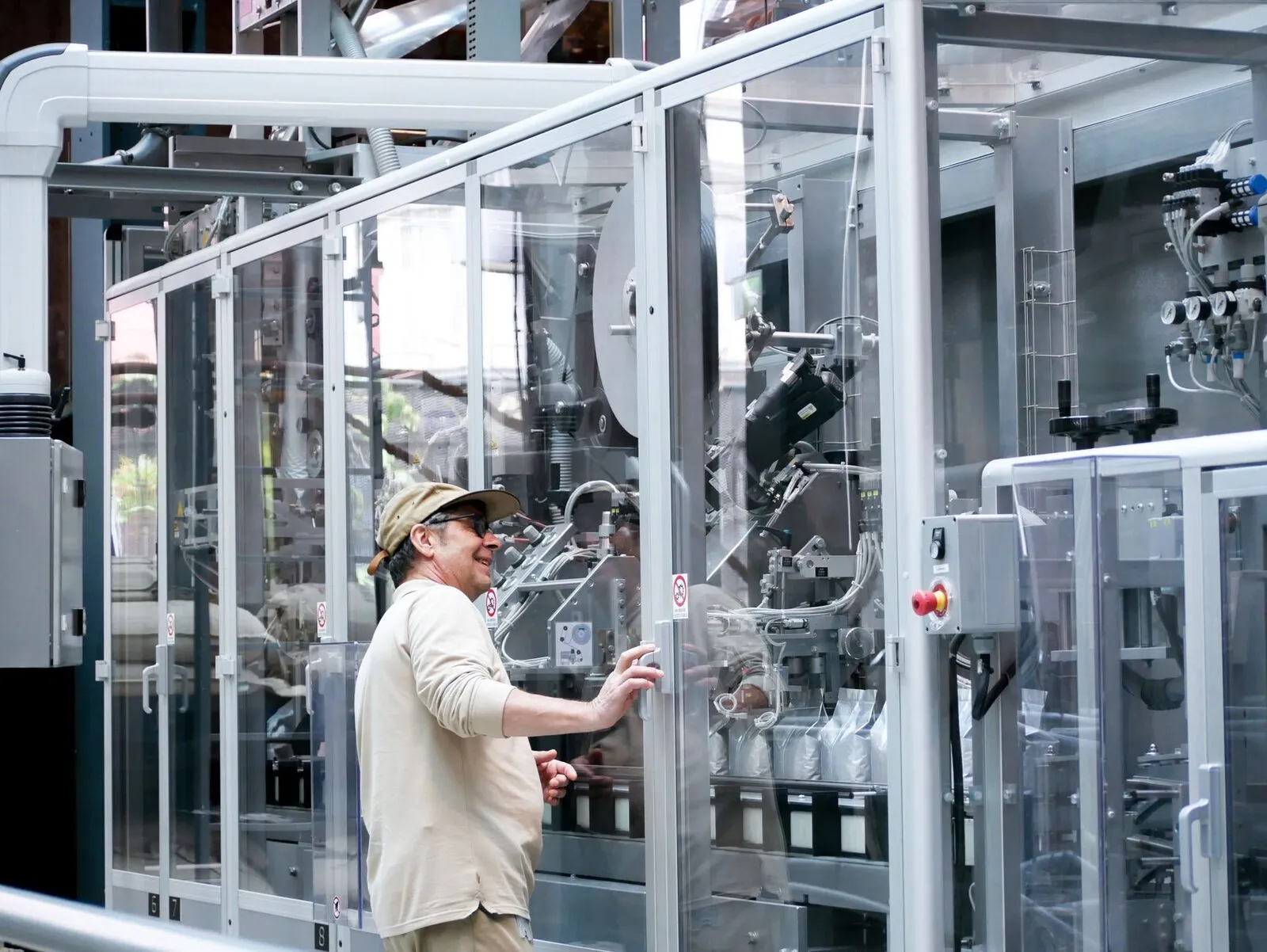
Autonomous equipment—drones for scouting, self-driving tractors for planting and harvesting, robotic systems for pruning and picking—has been on the ag-tech horizon for years. The tech was cool. The price was prohibitive. But the math is changing. The average cost of sensors has dropped sharply over the past decade, while labor costs have climbed. Meanwhile, the rural labor market has tightened; H-2A visa caps and farmworker migration patterns mean fewer hands available to do the work.
For corporations and large-scale operations, that convergence—cheap sensors plus expensive labor—is a green light.
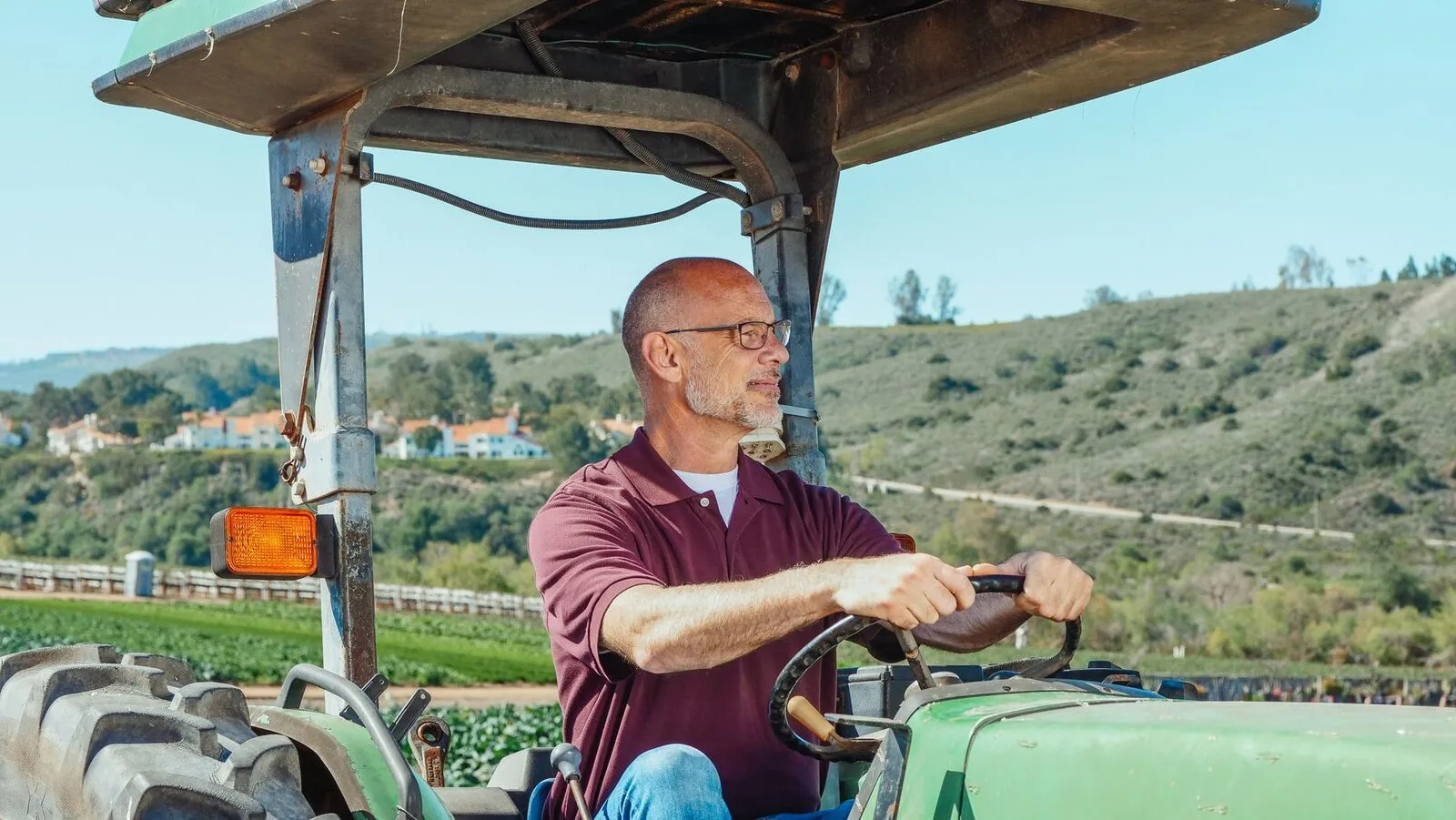
The logic is cold and clear: if you can afford the upfront capital, automation pays for itself by eliminating wage bills. And those companies can afford it. The largest 5% of U.S. farms now control over 75% of agricultural production, giving them the cash flow and credit access to invest in seven-figure equipment packages. A mid-sized family farm—already squeezed by debt and input costs—cannot.
This is not a neutral technology story. Automation in agriculture follows the same playbook as consolidation everywhere: the tools flow to the biggest players, the market concentrates further, and workers are pushed out.
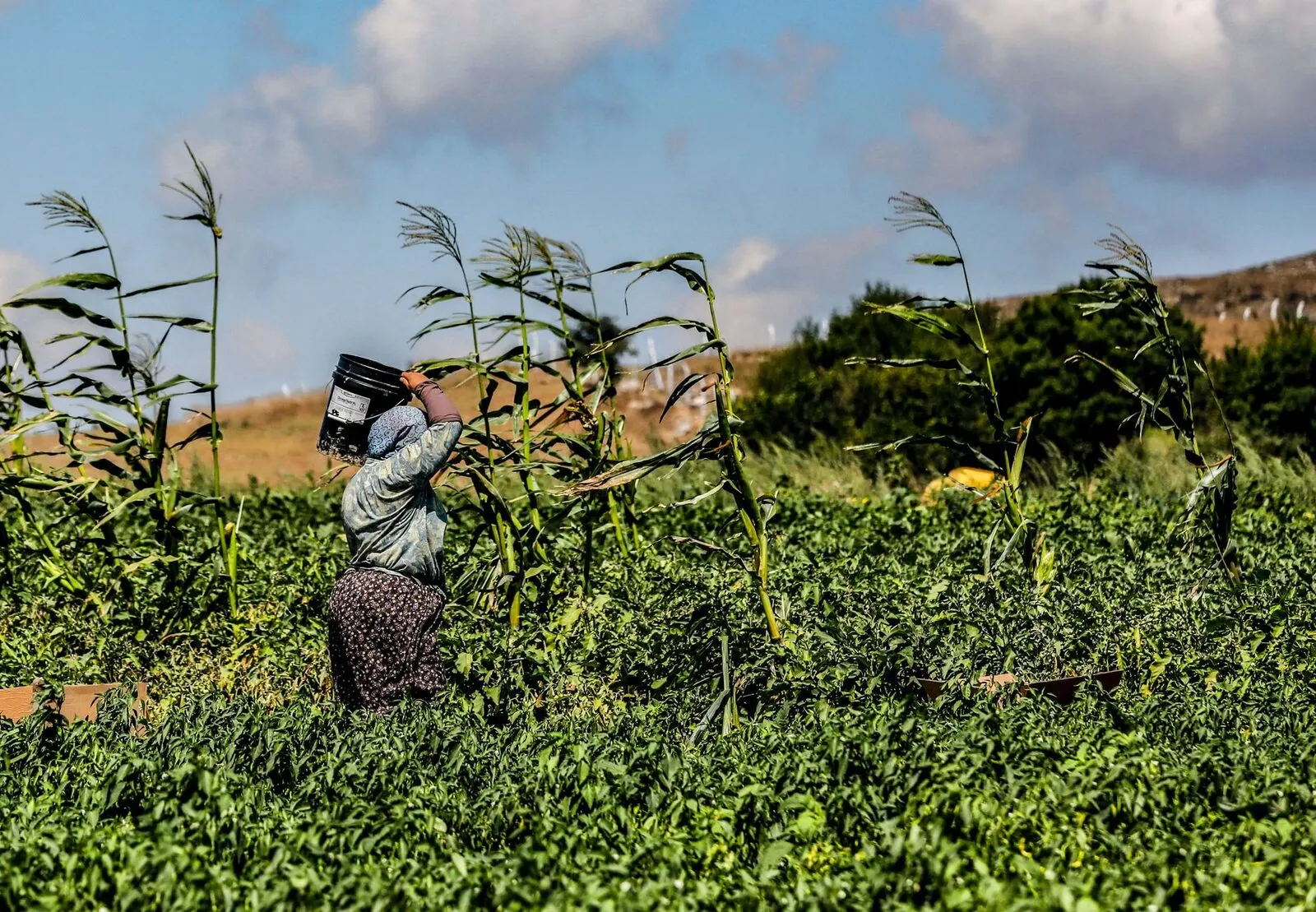
The human cost is immediate. Farm labor is already one of the lowest-paid, most dangerous occupations in America. Farmworkers face heat stress, pesticide exposure, and no protections equivalent to those in other industries. Yet they are indispensable—crops still need to be planted, tended, and picked. Automation in produce, orchard, and specialty crops has proven slower and more difficult than in commodity grains and large-scale row crops, which means the workers doing the most dangerous, lowest-paid work will be among the last to be displaced.
Until automation catches up.
When it does, there’s no safety net. Unlike manufacturing workers in the Rust Belt, farmworkers displaced by automation have few retraining programs, limited access to federal assistance, and no unemployment benefits—most are seasonal and many are undocumented. The vulnerability is built in.
Large operations will chase the efficiency gains. Consolidation and technology adoption are self-reinforcing: as big operations get bigger and more automated, smaller farms can’t compete, and the market shrinks for everyone else. It’s a squeeze, and it works from the top down.
The conversation about automation typically centers on innovation and competitiveness. It’s framed as inevitable, even thrilling. What gets left out is what always gets left out: who benefits, who loses, and why the people holding the wealth get to decide.
In agriculture, the answer is the same as it’s been for decades. Farmers and farmworkers lose. Processors, equipment makers, and capital win.
That doesn’t have to be the outcome. The resistance to consolidation and tech-driven displacement is already visible in farm co-ops, worker-led organizing, and young farmers building alternatives to the industrial model. But resistance requires policy: antitrust enforcement, labor protections for farmworkers including year-round benefits and visa reform, and support for smaller-scale operations that prove more stable and dignified than the industrial machine.
Without those guardrails, automation will simply accelerate the extraction of profit from agriculture while accelerating the extraction of workers from the land.