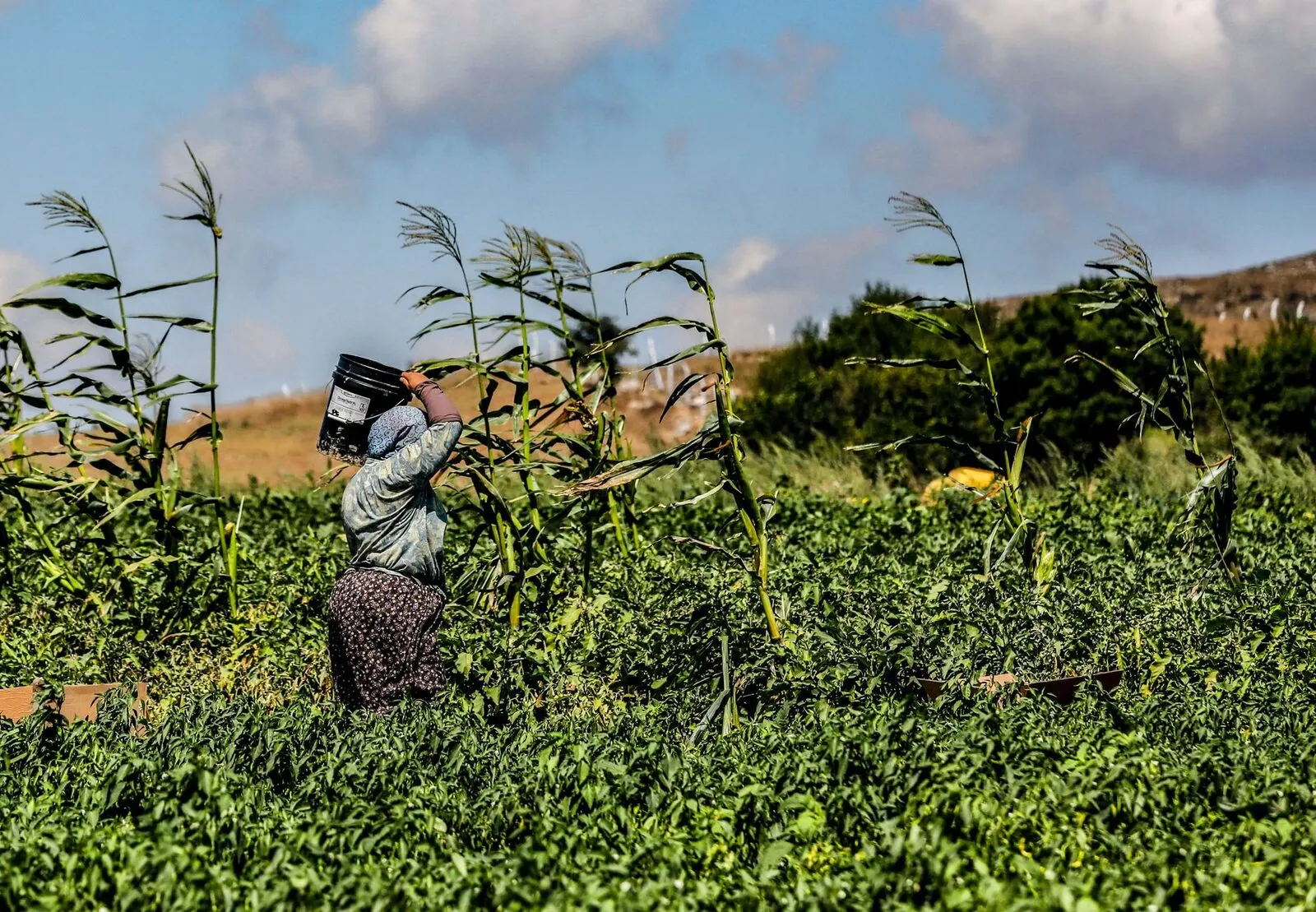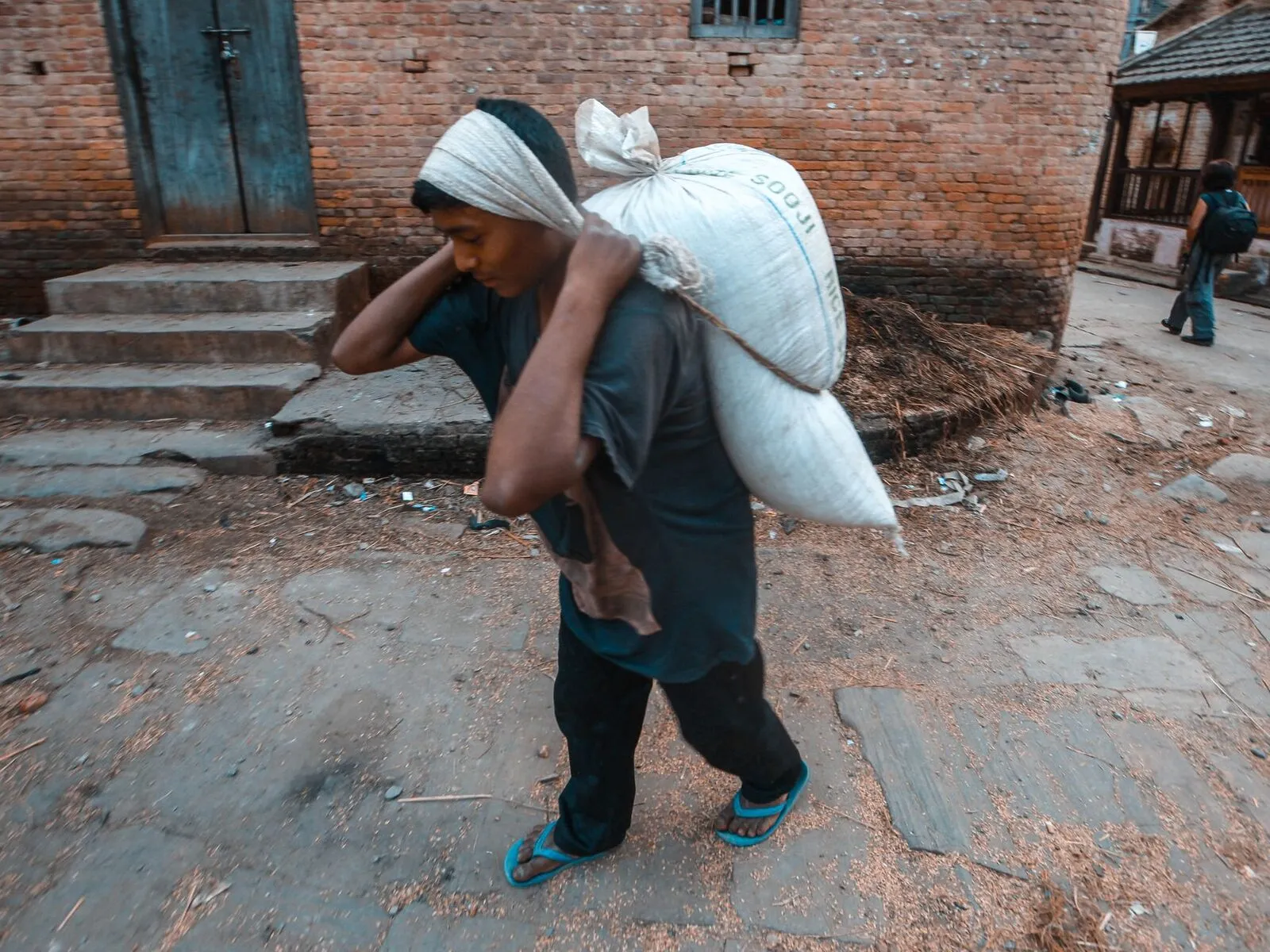
For Juan, an H-2A worker who travels annually between Mexico and North Carolina, the math stopped adding up years ago. The wage he earns—set federally but barely moved in three years—no longer covers the debt from recruiting fees, transportation, and housing he pays upfront to work U.S. farms. By mid-season, he’s behind.
“The growers say they can’t pay more,” Juan says. “But everything else costs more. Food, gas, medicine—it’s like the wage is frozen in time.”
Juan’s reality reflects a structural crisis in the H-2A visa program, the federal mechanism that brings roughly 300,000 temporary agricultural workers to the U.S. each year. While commodity prices spike and farm input costs climb, the Adverse Effect Wage Rate (AEWR)—the wage floor H-2A employers must pay—has stagnated, locking workers into poverty-level earnings that haven’t kept pace with inflation or the cost of living.
The Wage Trap
The AEWR, set by the Department of Labor based on regional surveys, is supposed to prevent temporary workers from undercutting U.S. farm wages. In theory, it protects both domestic farmworkers and visa holders. In practice, it has become a ceiling, not a floor. Growers pay the minimum and stop. Across much of the agricultural belt, the rates hover between $14 and $17 per hour—respectable on a timecard, but a trap for workers who face expenses domestic workers don’t.
An H-2A worker’s first season often costs thousands in debts that earn back slowly. Recruiting agencies in Mexico charge placement fees—sometimes hidden, sometimes masked as “administrative costs.” Transportation to the worksite runs $500–$1,000. Housing, nominally “provided,” is often deducted from paychecks at rates that exceed fair-market rent. By the time a worker has cleared these debts, the season is half over, and the net wage—the actual money in hand—can be half what the posted rate suggests.
A Policy Frozen in Time
The AEWR hasn’t been meaningfully reformed since the 1980s. Adjusted for inflation alone, it should be nearly 25 percent higher. But more than inflation matters: input costs for agriculture have exploded. Fertilizer, fuel, and equipment repairs have climbed 40–60 percent since 2020. Growers, facing margin pressure from consolidation and commodity volatility, have little incentive to raise wages when labor supply is mechanically guaranteed by the visa program itself.
The perversity: H-2A workers have almost no bargaining power. They can’t switch employers mid-contract without losing their visa status. They can’t refuse unsafe conditions without risking deportation. Some studies document wage theft—hours worked but unpaid—affecting up to 40 percent of H-2A workers in certain regions. Yet because the program is legally certified as non-harmful to U.S. labor, enforcement is weak, and complaints are rare. Retaliation is real.
What Would Change It
Reform proposals are on the table. A U.S. Senate bill now under review would strengthen H-2A oversight: tying wage adjustments to inflation, requiring real housing audits, banning recruitment fees, and creating independent complaint channels. Labor advocates and farmworker organizations—who’ve been amplifying this for years—see the window of opportunity narrowing as the labor shortage eases and political will to protect migrant workers wavers.
Growers argue they can’t absorb wage hikes without consolidating further or cutting workers. That’s the real tell: in a system where family farms are already being squeezed out, H-2A wages aren’t set by workers’ needs or market forces—they’re set by the baseline wage floor, and that floor isn’t moving.
For workers like Juan, the choice is stark: accept the frozen wage and slip further into debt, or go home and face fewer options. Neither is freedom.
More to come: Read about dairy workers fighting for overtime rights in New York. And for deeper context on how consolidation pressures farmworkers across the industry, see the consolidation crisis in meatpacking.