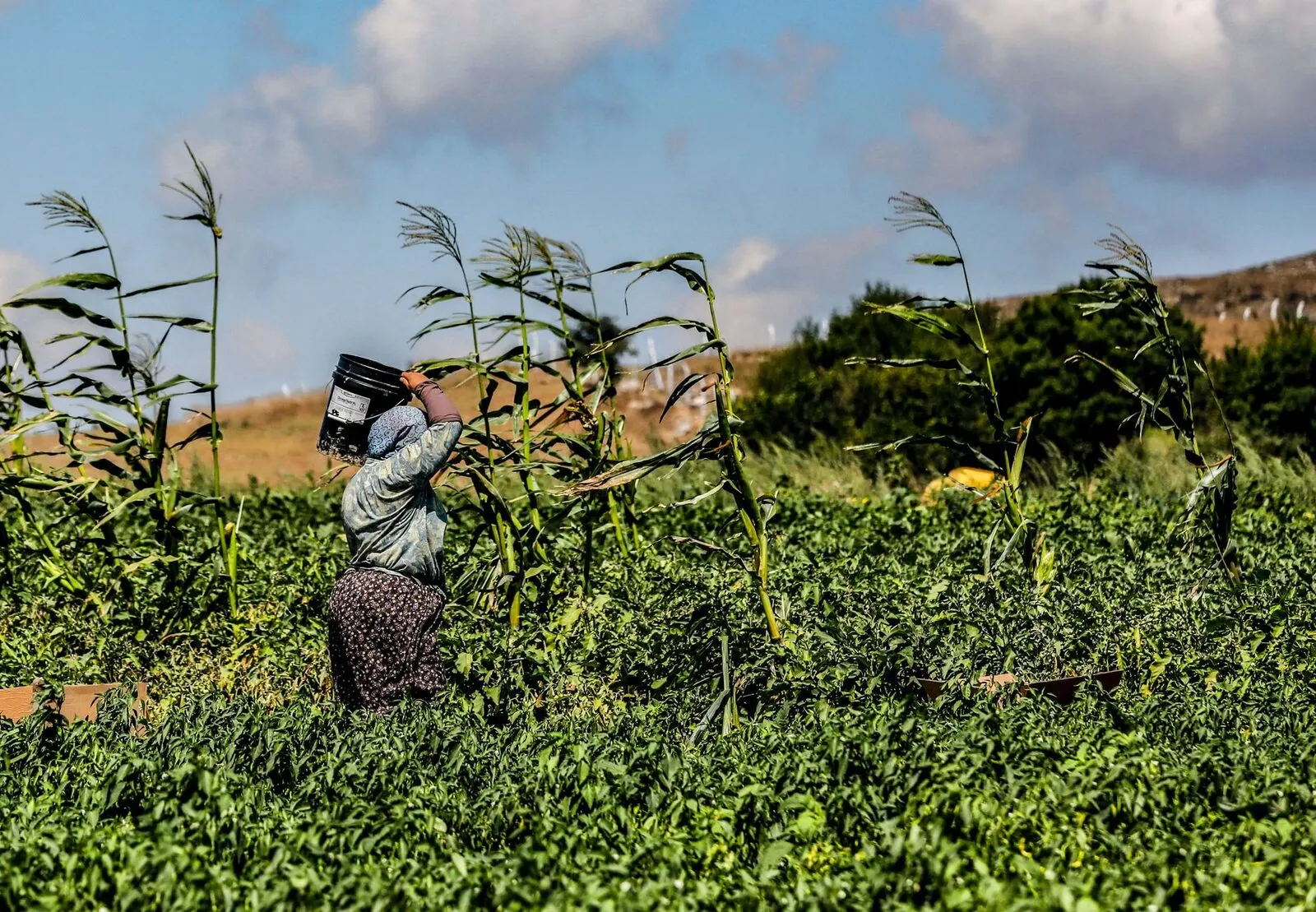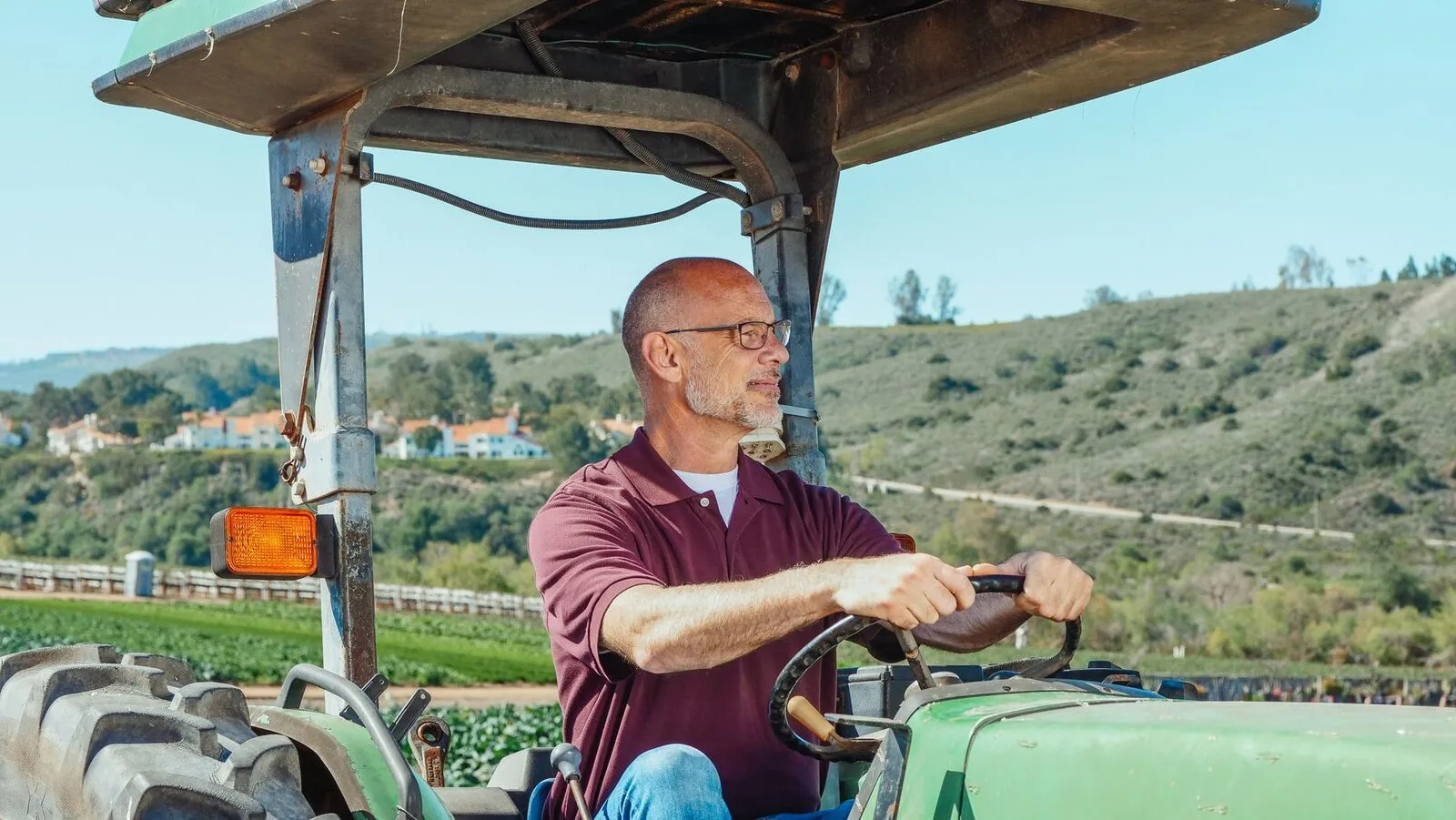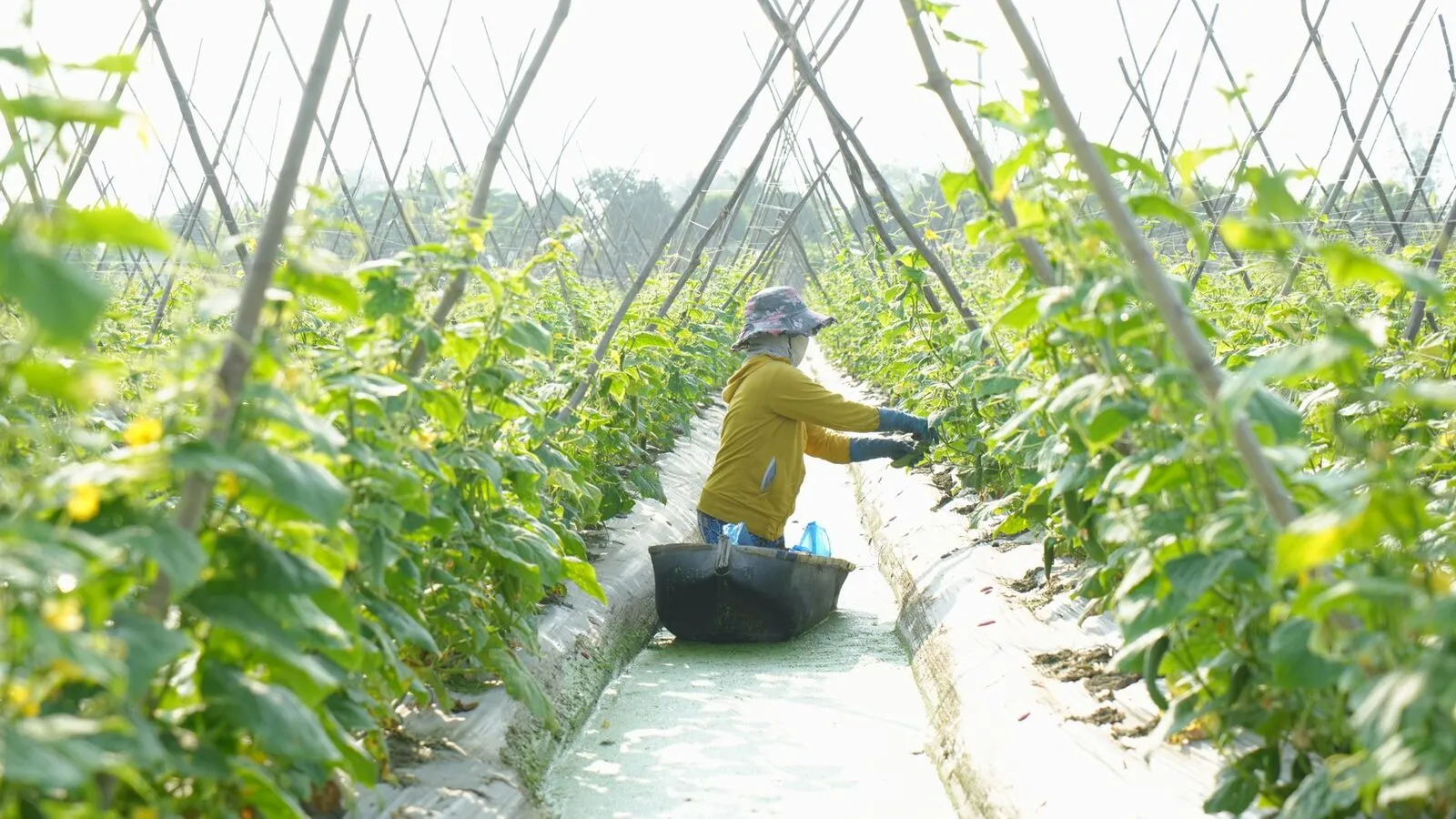
The agriculture industry’s reliance on foreign guest workers is reaching new extremes. H-2A farmworker certifications surged 17% during the first half of fiscal year 2026 compared to the same period last year, signaling a widening labor void that no policy tweak or wage cut can fill.
The numbers tell the story of an industry in distress. Dairy farms, in particular, are leaning harder on temporary workers after the Trump administration clarified in June that dairy operations can now hire H-2A workers when they can demonstrate a temporary or seasonal need—a policy reversal that opens the door to even more visa-dependent hiring. The guidance, issued June 17 by USDA, DHS, and DOL, effectively lowered barriers for an industry already struggling to find domestic workers willing to do the work at wages being offered.
What’s driving this surge isn’t just industry convenience. It’s structural desperation. Farmers are simultaneously facing wage cuts imposed through the DOL’s new H-2A wage rules, which dropped pay rates for workers in 2026 to $8–$17 per hour—down from $15–$20 in 2025. Over 350,000 H-2A workers could see annual wage losses totaling $2 billion or more. Yet even with these pay cuts making guest workers cheaper, farms still can’t recruit enough domestic labor. The message is clear: U.S. farmworkers won’t work for these wages, and the industry response isn’t to raise pay but to import more workers at lower cost.
The dairy sector’s explicit expansion into the H-2A program reveals the industry’s crisis. Dairies operate year-round, but the new guidance allows them to argue for “temporary or seasonal” labor needs—a legal fiction that lets them hire foreign workers for jobs traditionally filled by permanent employees. Dairy farms are bleeding domestic workers. The combination of demanding physical work, low wages, heat stress, and no path to permanent employment has made the industry unattractive to U.S. jobseekers, even as labor recruitment efforts intensify.
But the 17% surge in H-2A certifications masks a harder truth: the program is a band-aid on an open wound. These workers have fewer protections than domestic employees, face restrictions on job mobility, and often depend entirely on their employer for housing and survival. When wage floors collapse, as they have this year, these workers have limited recourse. Advocates warn that the wage cuts will put downward pressure on the wages of all farmworkers, suppressing incomes by as much as 9% for domestic workers as well.
The timing is troubling. As farms expand H-2A recruitment, the industry simultaneously faces a workforce crisis compounded by rising bankruptcy rates. Farm debt hit a record $624.7 billion in 2026 with interest expenses climbing to $33 billion. Desperate farmers are turning to guest workers not out of preference but out of necessity—they can’t afford to pay domestic workers, and they can’t operate without labor. The H-2A program becomes a lifeline, even if it only postpones the reckoning.
What happens when even this safety valve isn’t enough? The program has limits: workers must be certified, employers must prove need, and there are caps—though those caps are rising. But if the 17% surge continues, and if more industries succeed in gaining H-2A access, the program risks becoming a wholesale replacement for domestic agricultural labor rather than a seasonal supplement.
For farmworkers, both foreign and domestic, the picture is grim. Guest workers face wage cuts and limited protections. Domestic workers face downward wage pressure and fewer opportunities as employers opt for certified foreign workers they can control more easily. The industry calls this pragmatism. It’s better described as a race to the bottom—one that will hollow out rural agricultural communities and lock workers into permanent precarity.
The 17% surge in H-2A certifications isn’t a sign of agricultural vitality. It’s a sign of an industry unwilling to invest in its workforce, restructure its economics, or face the hard truth that food doesn’t produce itself, and neither do the profits that come from it.
Related Coverage
- Follow more reporting on the hands that feed us.
- See how new H-2A wage rules cut farmworker income.