The Midwest got hit with its worst spring drought in 127 years. As of mid-June 2026, 46.93% of the United States is in drought conditions, and the situation in the Upper Midwest is especially severe. Wisconsin, Minnesota, and Michigan all recorded top-10 driest Mays since 1895—Minnesota ranked 8th, Wisconsin 4th, and Michigan 9th. The timing couldn’t be worse: crops are germinating, pastures are struggling, and farm profit margins are already razor-thin.
The drought isn’t just a weather story. It’s a cash-flow crisis with a six-month lag.
The Spring Crunch
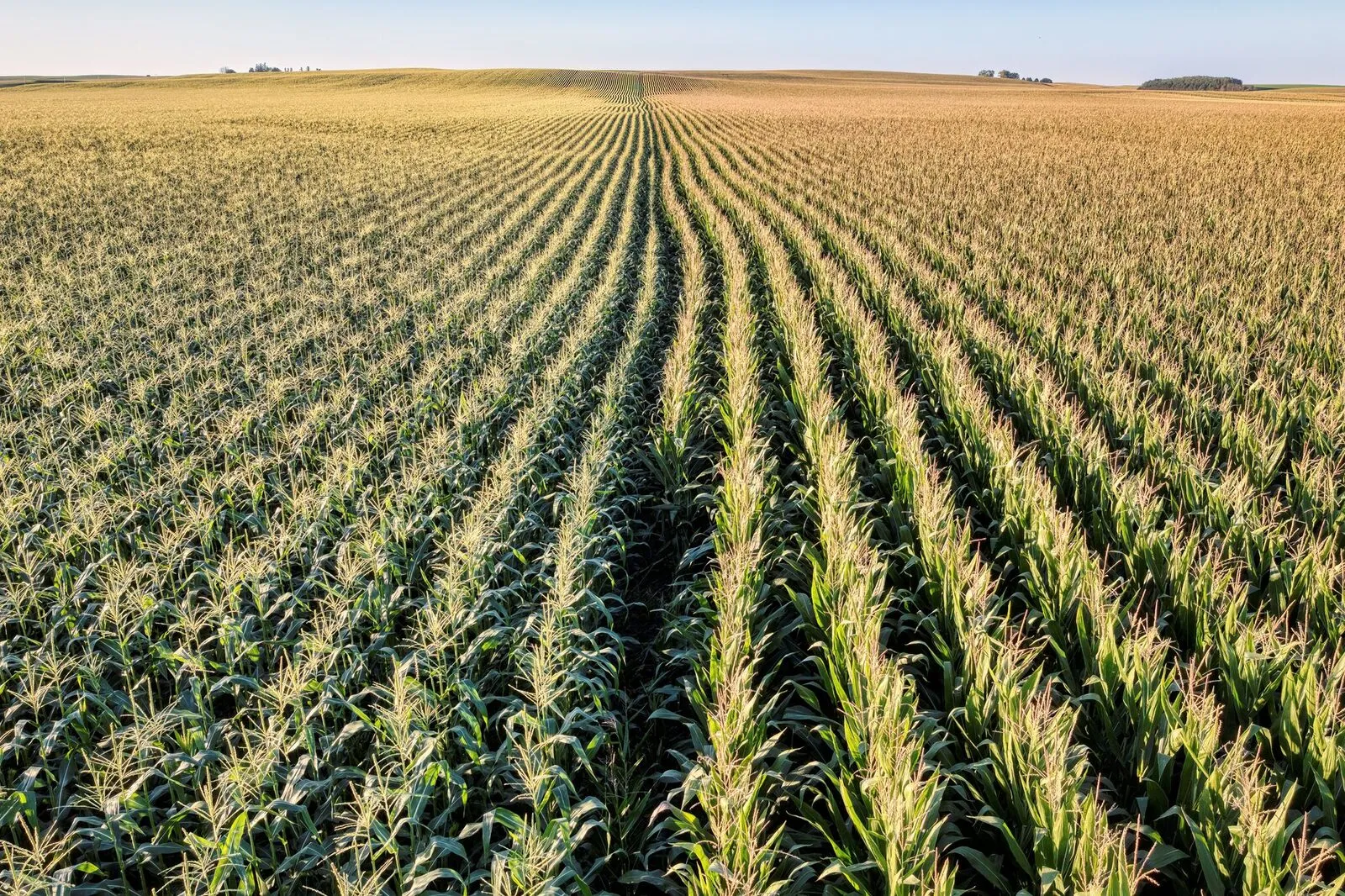
Dry springs have outsized impact on Midwest agriculture. Soil moisture at planting time determines whether corn and soybean seedlings get enough water to root, and whether fields can rely on rain rather than expensive irrigation. Low soil moisture, groundwater deficits, and reduced hay production are now widespread across Kentucky, southeast Missouri, and the broader Midwest.
The numbers are stark. In early May, the Upper Midwest experienced widespread drought stress during what should have been a green-up phase. Wisconsin’s May precipitation was among the lowest in 130 years. That means shallow-rooted crops are already stressed before June even starts.
For farmers who bought seed, diesel, and fertilizer on credit at spring prices, a weak germination means a smaller harvest at the end of the season. A smaller harvest with commodity prices already under pressure means a cash crunch by fall. That crunch then forces operating loans, higher debt loads, and tighter margins heading into 2027.
The Income Cascade
This matters because farm income is already under siege. The USDA forecasts net farm income at $153.4 billion for 2026, with farm debt climbing to a record $624.7 billion and interest expenses expected to hit $33 billion. Weak crop production from drought means weaker cash receipts. Weaker receipts mean tighter debt service. And for thousands of family farms already running on borrowed money, that’s the difference between surviving and filing Chapter 12.
Drought also means higher operating costs. Farmers who can irrigate will turn on pumps, burning more diesel. Farmers without irrigation will spray growth regulators to reduce water demand. Both are margin-killing expenses during a year when margins are already compressed.
Livestock Takes the Hit Too
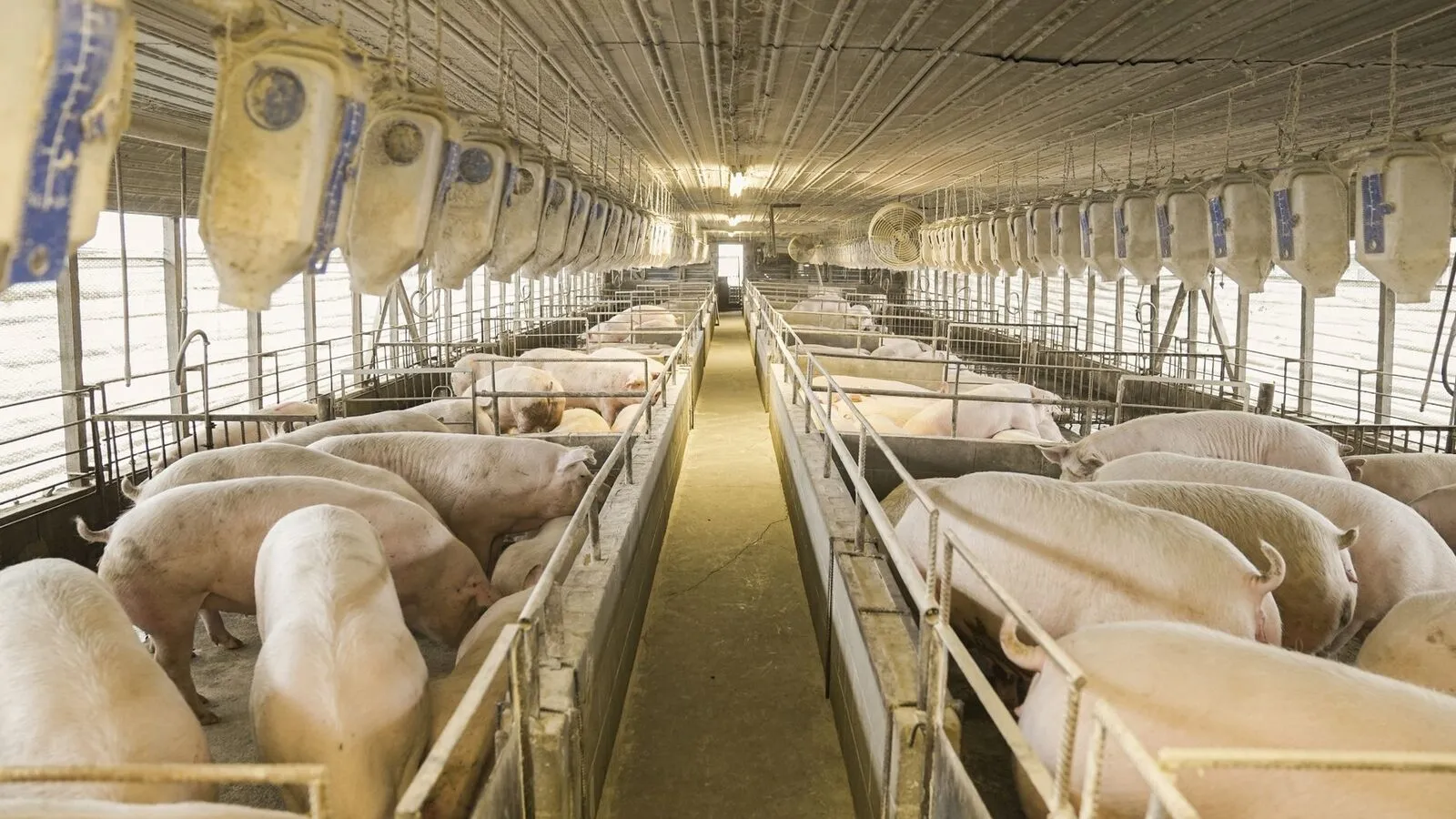
The drought is brutal for ranchers. Pasture conditions are poor across the Midwest, reducing forage quality and availability for cattle. Poor pastures mean ranchers either cull breeding stock early (losing breeding animals for years to come) or buy hay and supplement at retail prices. Either path shrinks profit.
The U.S. cattle herd is already at its lowest since 1951, and drought pressure could accelerate herd contraction even further. Fewer cattle on the farm now means less income this year and reduced production for years ahead.
The Debt Trap Tightens
This is where the drought becomes a structural crisis, not just a weather event. Farmers facing production shortfalls have two options: take the income hit or borrow against future production to cover current costs. Most choose the latter. But borrowing at current interest rates (well above decade averages) to cover a drought-year shortfall is a bet that next year will be better. If it isn’t, debt compounds.
Farm bankruptcies are already at a six-year high—Chapter 12 filings hit 62 in April 2026, a 130% jump from April 2025. Drought accelerates that trend.
The Outlook Offers No Relief
The Drought.gov forecast for late June and July is mixed. Above-normal precipitation is expected to arrive in the Midwest by late June, but it comes late—after germination windows have closed for spring crops. If that forecast holds, yields can stabilize. If it doesn’t, yield losses will compound.
Longer term, this drought is another flag in a pattern. Earlier in 2026, the United States experienced its worst spring drought on record, with more than 60% of land in the lower 48 states in moderate or worse drought. Climate modeling suggests more drought years ahead, not fewer. That’s a cost farmers have no way to price into 2026 production decisions.
What’s at Stake
For commodity farmers with access to capital and scale, a drought year is a bad year. For young farmers, organic operations, and conservation-oriented growers with smaller margins, it’s potentially the year they exit farming. Land will consolidate. Operations will roll up into bigger entities. Another rung of the consolidation ladder.
The message to farm country is clear: adapt or go broke. But adaptation costs money farms don’t have, interest rates make borrowed money expensive, and commodity markets reward scale over care. A historical drought in spring is just one more reason why American farmland keeps shifting toward the corporate and away from the family.
What to watch: For context on how record farm debt is already driving thousands into bankruptcy, read about the farm bankruptcy crisis hitting rural communities. And to understand how consolidation in food and equipment industries is squeezing growers from all sides, see how farmworkers and ranchers are facing the brunt of a tightening supply chain.