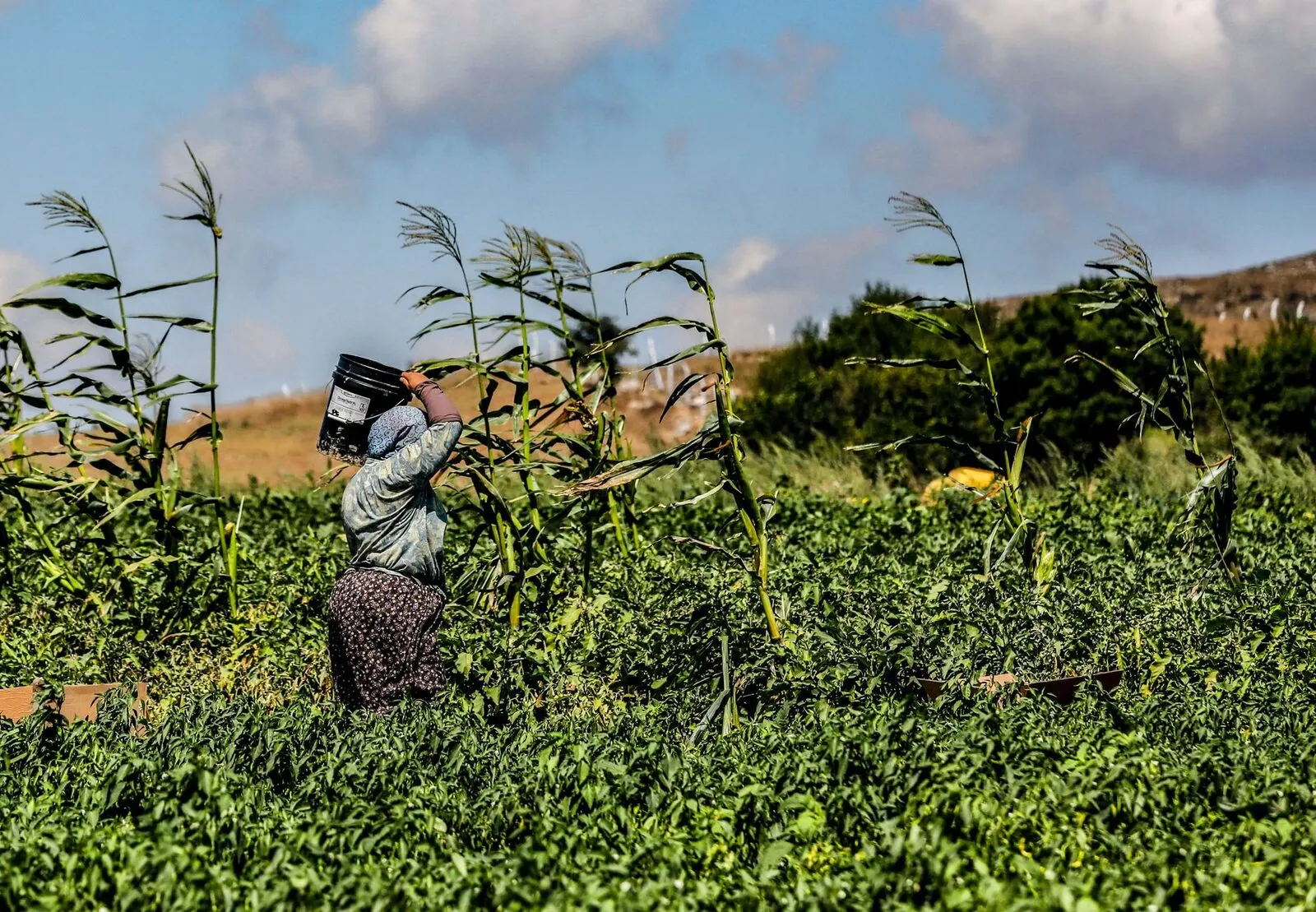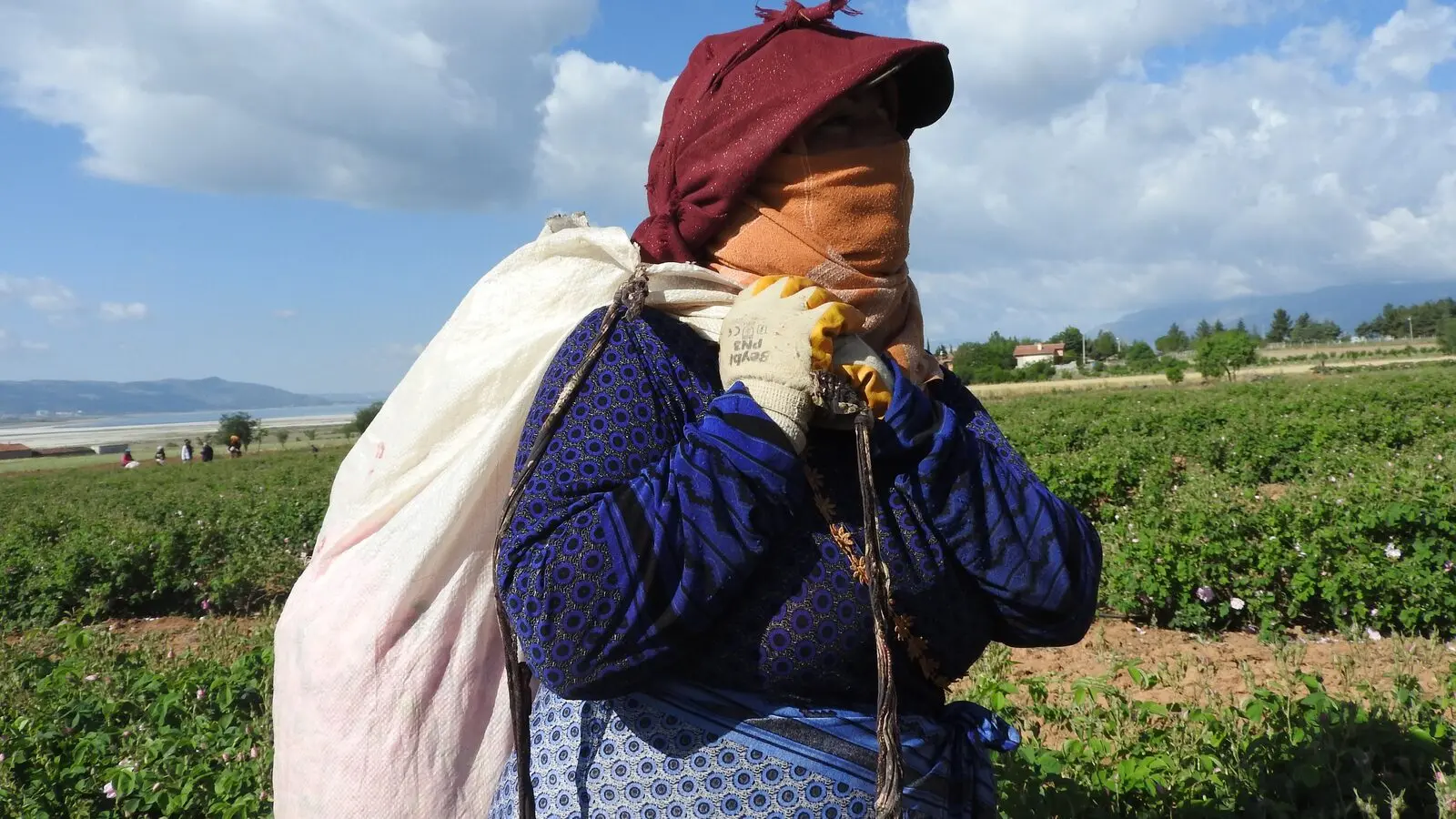
The strawberries in your fridge, the lettuce in your salad, the peaches that taste like summer — somebody picked those by hand, bent over in heat that can climb past 100 degrees. Increasingly, that somebody is a guestworker far from home, working under labor rules that advocates say leave them dangerously exposed.
This is the H-2A story, and it’s one of the most overlooked in American agriculture.
What H-2A is
The H-2A visa program lets US farms bring in foreign workers — overwhelmingly from Mexico and Central America — for seasonal agricultural jobs when employers say they can’t find domestic labor. The program has ballooned, with the Department of Labor certifying hundreds of thousands of positions a year, a number that’s grown steeply over the past decade as farms lean harder on guestworker labor. The Department of Labor publishes the certification data.
On paper, H-2A workers get protections: a minimum wage rate, free housing, and transportation. In practice, advocates and federal investigators have documented a darker reality — wage theft, substandard housing, retaliation, and in the worst cases, conditions that shade into labor trafficking. The structure is the problem: an H-2A worker’s visa is tied to a single employer. Complain, and you can be sent home. That tether makes workers afraid to report abuse.
The heat is the emergency
Layer climate onto that power imbalance and you get a genuine crisis. Farmwork is already one of the most dangerous occupations in the country, and heat is a leading, growing threat. Agricultural workers die from heat-related illness at far higher rates than workers in most other industries — federal data and researchers have flagged the gap for years. As summers get hotter, the exposure gets worse.
And here’s the gap that infuriates advocates: there has historically been no comprehensive federal heat standard for outdoor workers. OSHA proposed a national heat-injury rule to require basics like water, shade, and rest breaks when temperatures climb — but the rulemaking process is slow, contested by some industry groups, and has dragged on. AP and Reuters have tracked its halting progress. Until it’s final and enforced, protection depends on a patchwork of state rules — and most states have none.
A handful of states — California, Oregon, Washington, and Colorado among them — have adopted their own heat-protection standards for outdoor workers. In the rest of the country, whether a farmworker gets water and shade in 105-degree heat can come down to the goodwill of an individual employer.
The advocates fighting back
This is where the resistance inside the labor beat lives. Groups like the United Farm Workers and Farmworker Justice have spent years pushing for enforceable heat rules, stronger H-2A protections, and a path that doesn’t leave workers’ legal status hostage to one boss. The Southern Poverty Law Center and other legal organizations have documented H-2A abuses and brought cases on workers’ behalf.
Their argument is simple and hard to rebut: the people who harvest the most essential thing in the economy — food — are among its least protected workers. They feed a country that, too often, doesn’t see them.
Why this connects to everything else
The farmworker story isn’t separate from the consolidation story — it’s the same story from the bottom of the chain. The pressure that squeezes family farms (thin margins, input costs, a market controlled by giants) gets pushed downhill onto the people doing the hardest labor. Cheap food in America has always been subsidized, in part, by labor that’s kept cheap, vulnerable, and invisible.
Naming that out loud is the first step. The hands that feed us deserve more than water and shade as an aspiration. They deserve it as a guarantee.
Tomás Reyes reports from the fields, sheds, and labor camps for Save US Farms. Workers and organizers: the desk speaks Spanish, and it listens.
Related Coverage
- Follow more reporting on the hands that feed us.
- Read how states are advancing farmworker heat protections while the federal rule stalls.